
Companion Plants
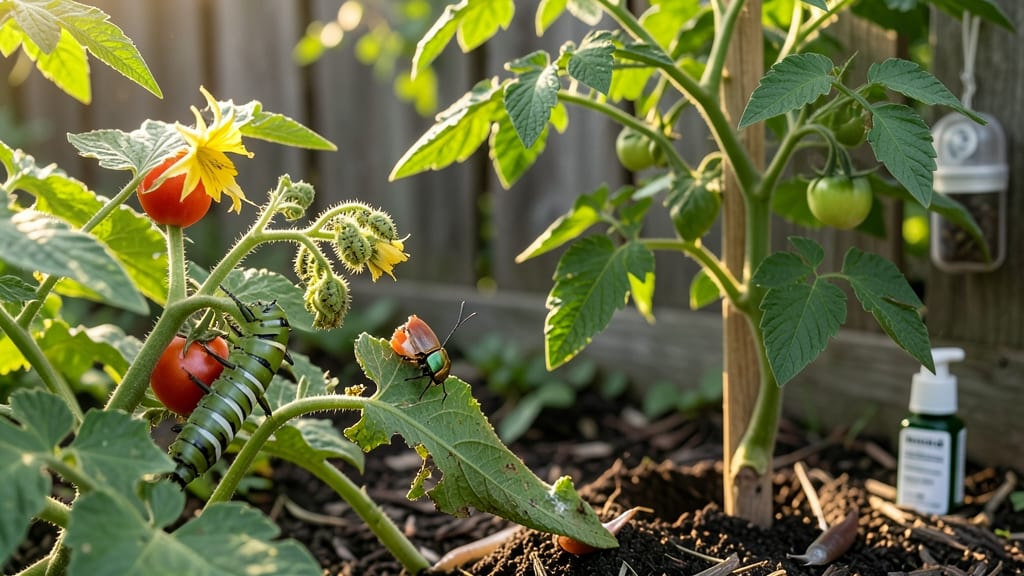
What is eating my tomato plants?—don’t panic. 🌱 The culprits are usually slugs, snails, or hornworms, and each leaves behind telltale clues (chewed leaves, slimy trails, or missing fruit). I’ve battled all three in my garden, and the key to saving your harvest is knowing who’s attacking and how to stop them fast. Slugs and snails leave silver slime trails and ragged holes in leaves, while hornworms strip plants bare overnight, leaving only stems. The damage looks different, but the solution starts with identifying the pest—then using the right organic fix, whether it’s beer traps, neem oil, or handpicking those green monsters before they devour your crop. By the end of this guide, you’ll know exactly what’s munching on your tomatoes and how to outsmart them naturally—no chemicals required. The best part? These methods work for other veggies too, so you’ll be protecting your entire garden in no time. Let’s turn the tide on these pests before they ruin your season. The battle starts now!
Root Causes Behind Tomato Plant Devastation
Tomato plants are a garden’s prized treasure—until something decides they’re a buffet. When your lush green leaves start looking like Swiss cheese or your fruits vanish overnight, the culprits are often environmental, biological, or behavioral.
Understanding why these pests and diseases strike helps you fight back smarter. Let’s break down the science behind the chaos.
Slugs and snails are the stealth bombers of the garden. These slimy invaders thrive in moist, shaded conditions and leave behind irregular, jagged holes on leaves, stems, and even fruits. Here’s why they target your tomatoes:
- High Humidity & Rain: Slugs and snails absorb moisture through their skin, so damp soil and foliage make your garden a five-star hotel. After rain or watering, they emerge to feast.
- Decaying Organic Matter: Piles of leaves, mulch, or compost create hidden microhabitats where they hide during the day and multiply at night.
- Lack of Natural Predators: Birds, frogs, and ground beetles keep slug populations in check—but if these predators are missing, the slugs throw a party.
- Tomatoes Are Their Favorite Snack: The high moisture and soft tissue of tomato leaves make them an easy, nutrient-rich meal compared to tougher plants.
💡 Pro Tip: Slugs leave behind a silver slime trail—check your plants at dawn to catch them in action!
Hornworms (especially the tomato hornworm, Manduca sexta) are the poster children of tomato plant destruction. These caterpillars can devour entire leaves overnight and are often missed until it’s too late. Here’s why they’re so effective:
- Rapid Growth Rate: A single hornworm can grow from ½ inch to 4 inches in just 10 days, consuming 8 square feet of leaves per week at peak hunger.
- Camouflage Masters: Their green bodies with white diagonal stripes blend perfectly into tomato foliage, making them nearly invisible until they’re chowing down.
- Attracted to Tomato Plants: Tomatoes release volatile organic compounds (VOCs) when damaged, which lures more hornworms to the party.
- Late-Night Feasters: They’re most active at dusk and dawn, when you’re least likely to spot them.
🔍 Spot the Sign: Look for black droppings (frass) on leaves—hornworm poop is a dead giveaway!
Not all tomato plant damage comes from chewing mouths—pathogens like fungi and bacteria can rot, blight, or spot your plants, making them weak and more susceptible to pests. Here’s how they strike:
| Cause | Why It Happens | Tomato Weakness Trigger |
|---|---|---|
| Early Blight (Alternaria solani) | Fungal spores survive in soil and plant debris over winter, then spread via water splashes (rain, irrigation). | Causes brown, concentric spots on lower leaves → reduces photosynthesis, stressing the plant. |
| Bacterial Spot (Xanthomonas perforans) | Bacteria enter through wounds (pruning cuts, hail damage) and thrive in warm, wet conditions (75–95°F). | Creates water-soaked spots that turn black → defoliation and fruit blemishes. |
| Fusarium Wilt (Fusarium oxysporum) | Fungal spores infect roots, then clog water vessels, cutting off nutrient flow. Spreads via contaminated soil or tools. | Leads to yellowing leaves, wilting (even with moist soil), and stunted growth. |
🌡️ Key Factor: Poor airflow (crowded plants, thick mulch) and overhead watering create the perfect pathogen party zone.
Sometimes, the "pests" aren’t pests at all—it’s your garden’s conditions making tomatoes too appealing to critters. Here’s how:
- Overwatering: Soggy soil attracts slugs, snails, and fungal diseases while weakening plant defenses.
- Nitrogen-Heavy Fertilizer: Soft, fast-growing leaves taste like an all-you-can-eat buffet to hornworms and beetles.
- Lack of Companion Plants: Tomatoes left alone are vulnerable. Plants like basil, marigolds, or nasturtiums repel pests naturally.
- Nighttime Feeding Patterns: Many pests (hornworms, slugs) are nocturnal—your daytime inspections miss the real action.
✨ Fix It: Rotate crops, prune for airflow, and water at the base to disrupt pest cycles.
How to Fix Your Tomato Plants
Now that you’ve identified the culprit—whether it’s slugs, snails, or hornworms—it’s time to take action! Here’s a practical, step-by-step guide to protecting your tomato plants and keeping them thriving. Each solution targets the specific pest while minimizing harm to your garden’s ecosystem.
Slugs and snails leave behind silver trails of slime and ragged holes in leaves and fruit. Here’s how to evict them for good:
🛡️ Physical Barriers (Best for Prevention)
- Copper tape or wire: Slugs hate copper! Wrap it around pots or create a 12-inch-wide barrier around garden beds.
The electric shock they feel deters them. (Pro tip: 💡 Bend the copper slightly into a U-shape for extra effectiveness.) - Diatomaceous earth (DE): Sprinkle food-grade DE around plants (but not directly on leaves). It’s a non-toxic powder that dehydrates slugs.
Reapply after rain. - Coffee grounds: Scatter used grounds near plants—the bitter smell repels slugs. Bonus: They improve soil health!
🍳 Beer Traps (For Heavy Infestations)
- Bury a shallow dish (like a yogurt cup) filled with beer at soil level. Slugs crawl in and drown overnight. Empty and refill every 2–3 days. (Works best in humid conditions!)
🐸 Encourage Natural Predators
- Frogs, toads, and ground beetles love slugs. Create a slug-friendly habitat with shallow water sources (like a saucer of water with pebbles).
- Ducks or chickens: If you have space, let them graze in the garden. They’ll devour slugs like snacks!
🌡️ Heat & Salt (Last Resort)
- Salt barriers: Sprinkle a ring of salt around plants (avoid overuse—it can harm soil).
Slugs avoid the harsh environment. - Boiling water: For stubborn slugs hiding under boards or rocks, pour boiling water directly onto them. (Use sparingly—this kills all insects in the area.)
Hornworms are stealthy striped bandits that can defoliate a plant in days. But they’re easy to spot—and even easier to remove!
👨🍳 Manual Removal (Best Method)
- Check plants daily for hornworms (especially undersides of leaves).
They’re big, green, and fast—act quickly! - Drop them in soapy water (a bucket with a few drops of dish soap) to kill them instantly. (No need for pesticides—this is cruelty-free!) - Wear gloves if you’re squeamish—they can give a mild pinch with their "horns."
🕷️ Lure Their Predators
- Parasitic wasps (like Cotesia congregata) lay eggs in hornworms, killing them naturally. Don’t spray pesticides—these wasps are your free pest control!
- Ladybugs and lacewings also help. Plant dill, fennel, or marigolds nearby to attract them.
🌿 Companion Plants as Deterrents
- Basil, thyme, and oregano repel hornworms. Plant them near your tomatoes for a triple threat: pest control + flavor + fragrance.
- Nasturtiums act as a trap crop—hornworms may go for these instead of your tomatoes.
🔪 Neem Oil (For Severe Cases)
- Mix 1 tsp neem oil + 1 tsp mild soap in 1 quart of water.
Spray early morning or evening (avoid direct sun—it burns leaves). - Reapply every 5–7 days until hornworms disappear. (Safe for humans and pets but kills beneficial insects too—use sparingly.)
The best defense is a strong offense! Implement these long-term strategies to keep pests away:
- 🌱 Rotate crops: Avoid planting tomatoes in the same spot yearly—pests build up in the soil. - 🌿 Mulch properly: Use straw or grass clippings (not wood chips) to discourage slugs while retaining moisture. - 🌅 Plant in full sun: Slugs and hornworms love shade.
Give tomatoes 6–8 hours of sunlight daily. - 🚫 Remove debris: Piles of leaves or boards create slug hideouts. Keep the garden tidy! - 🌱 Interplant with herbs: Basil, garlic, and chives naturally repel pests while enhancing tomato flavor.
| Pest | Fastest Solution | Long-Term Fix |
|---|---|---|
| Slugs/Snails | Copper tape or beer traps | Diatomaceous earth + frog habitat |
| Hornworms | Handpick daily | Basil + parasitic wasp-friendly garden |
| Both | Neem oil spray (last resort) | Companion planting + clean garden |
Final Thought: 🌱 Most tomato pests can be managed without chemicals—just stay vigilant, use nature’s tools, and your plants will reward you with juicy, blemish-free tomatoes all season!
Frequently asked questions
How can I tell if deer are eating my tomato plants at night?
Look for cleanly clipped leaves (not chewed ragged edges) and bite marks on stems. Deer leave 4-6 inch tears and often target lower branches. Check for droppings near your plants too—deer poop is pile-shaped and 1-2 inches wide. Set up a trail camera or use deer-resistant companion plants like rosemary or lavender to deter them.
Are those black droppings on my tomato leaves hornworm poop?
Yes! Hornworm droppings (called frass) are black, pellet-like, and about ¼-inch long. They pile up on leaves where the caterpillars feed. If you see these plus striped green caterpillars (3-4 inches long), you’ve got hornworms. The good news? They’re easy to remove by hand—just drop them in soapy water.
Will my tomato plants recover if I remove the pests early?
Tomatoes are resilient and will regrow leaves quickly if you catch pests early. Focus on removing damaged leaves (especially lower ones) to improve airflow. For hornworms, removing them daily prevents total defoliation. For slugs/snails, repair barriers and add diatomaceous earth to stop further damage. Your plants will bounce back with proper care!
Can I use vinegar spray to kill slugs and snails?
Not effectively—vinegar kills on contact but won’t prevent future infestations. Slugs avoid the smell, but the solution won’t stick to their slimy bodies. Instead, use beer traps or copper barriers for better results. For a natural spray, try garlic or chili pepper water (mix 1 chopped garlic clove + 1 tbsp cayenne in 1 quart water), but reapply after rain.
Why do my tomato plants look fine during the day but get eaten at night?
Most tomato pests are nocturnal! Slugs, snails, and hornworms feed under cover of darkness when predators (like birds) are less active. Check plants at dawn for fresh damage and silver slime trails (slugs) or black droppings (hornworms). Install motion-sensor lights or use neem oil sprays in the evening to disrupt their feeding patterns.