
Companion Plants
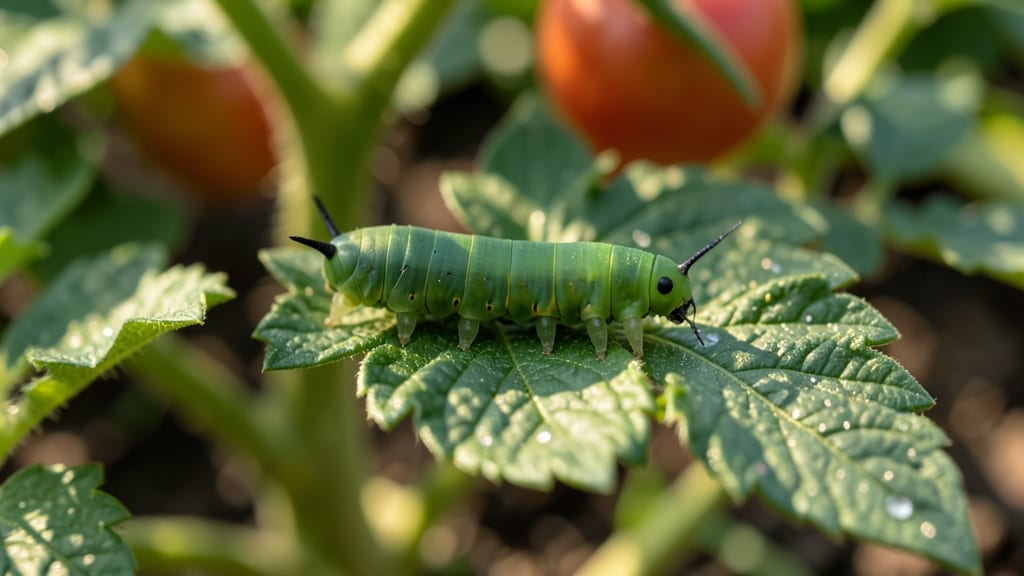
Those tiny small green caterpillars munching your tomato plant leaves? They’re hornworms or loopers, and they’ll skeletonize your plants in days if you don’t act fast. 🌱 I’ve lost entire harvests to them—until I learned the swift, organic removal tricks that actually work.
The key is catching them early, before they turn your tomatoes into Swiss cheese.
You’ll spot them by their telltale signs: half-eaten leaves with jagged edges, black droppings on foliage, and the caterpillars themselves (hornworms have white stripes, loopers curl like commas when disturbed).
The damage starts small—just a few chewed leaves—but left unchecked, they’ll strip your plants bare in under a week. The good news? You can stop them without chemicals.
Manual removal is your first line of defense—just drop them in soapy water. For larger infestations, neem oil or Bt (Bacillus thuringiensis) sprays work fast and safely. I’ve also had success with companion plants like basil or marigolds, which mask tomato scents and deter egg-laying moths.
The goal? Protect your fruit before the caterpillars reach it.
Once you’ve removed them, keep an eye out for eggs (tiny yellow clusters on undersides of leaves) and repeat treatments every 5–7 days until harvest. Your tomatoes will thank you—no more mystery holes or bitter-tasting fruit. Let’s get those plants back to thriving!
Root Causes Of Tiny Green Invaders
When those tiny green caterpillars appear on your tomato plants, they’re not just random visitors—they’re drawn by specific conditions that make your garden an all-you-can-eat buffet. Understanding these triggers helps you disrupt their life cycle before they turn your harvest into a chew toy.
Here’s why these pests show up in the first place, broken down by the most common culprits.
Tomato plants that are too close together create the perfect microclimate for caterpillars. Dense foliage traps moisture, providing:
- Shady, humid conditions: Caterpillars like hornworms and loopers thrive in damp, sheltered areas where predators (like birds or parasitic wasps) can’t easily spot them.
- Easy access to new leaves: Overcrowding stresses plants, producing tender, nutrient-rich growth that caterpillars can’t resist.
- Less airflow: Poor ventilation encourages fungal diseases (like early blight), which weakens plants and makes them more vulnerable to pest attacks.
Actionable fix: Space tomato plants 18–24 inches apart and prune lower leaves to improve airflow. If your garden is already crowded, interplant with basil or marigolds to naturally disrupt pest pathways.
Caterpillars target new growth because it’s packed with nitrogen and water, making it irresistibly soft and easy to digest. Here’s why they zero in on your tomatoes:
- High protein content: Young leaves have more soluble sugars and amino acids, which caterpillars need for rapid growth.
- Less defensive compounds: Mature tomato leaves produce more alkaloids and tannins as a natural pest deterrent, but tender shoots lack these defenses.
- Vulnerable stems: New shoots are thinner and easier to chew through, allowing caterpillars to strip entire branches in days.
Actionable fix: Monitor top growth closely and remove heavily infested shoots immediately. Apply neem oil to young leaves to create a bitter barrier without harming beneficial insects.
In a balanced ecosystem, caterpillars face a buzzing, slithering, and flying army of predators—until humans interfere. Here’s how gardens lose their built-in pest control:
- Overuse of broad-spectrum pesticides: Chemicals like carbaryl (Sevin) kill ladybugs, lacewings, and parasitic wasps that hunt caterpillars.
- Monoculture planting: Large blocks of tomatoes offer no habitat diversity, so predators like toads or spiders won’t stick around.
- Urban/suburban gardens: Lawns and pavement disrupt predator migration, leaving caterpillars with fewer enemies.
Actionable fix: Introduce companion plants like dill or fennel to attract syrphid flies (whose larvae devour caterpillar eggs). Or, hand-pick caterpillars early in the morning when they’re sluggish.
Tomatoes grown in nutrient-poor or compacted soil can’t mount a strong defense against pests. Here’s the science behind the connection:
- Low nitrogen levels: While nitrogen fuels growth, too little makes leaves thin and brittle, while too much creates soft, caterpillar-magnet foliage.
- Deficient silicon: Silicon strengthens plant cell walls—studies show tomatoes with high silicon levels repel 50% fewer pests.
- Compacted roots: Poor drainage stresses plants, reducing their ability to produce defensive compounds like phenolics.
Actionable fix: Amend soil with compost and diatomaceous earth (for silicon). Avoid synthetic fertilizers; instead, use fish emulsion or worm castings for balanced nutrition.
💡 Pro Tip: If caterpillars strike after you’ve planted, they’re likely drawn by existing eggs laid by moths (like the tomato hornworm or cabbage looper). Inspect undersides of leaves at dusk with a flashlight—you’ll spot tiny white eggs before the caterpillars hatch!
Quick Fixes for Tiny Leaf Munchers
Got those pesky small green caterpillars feasting on your tomato plants? Don’t panic—these critters are manageable with the right approach! Below are targeted, organic solutions tailored to the most common causes of infestation, from handpicking to long-term prevention. Let’s get your tomatoes thriving again without harsh chemicals.
If you spot just a few caterpillars, manual removal is your fastest, most eco-friendly fix.
- 👨🍳 When to act: Early morning (they’re sluggish and easier to spot).
- 🔪 How to do it:
- Wear gloves and inspect leaves, stems, and fruit for tiny green bodies or eggs (tiny yellow dots).
- Drop caterpillars into a bucket of soapy water (1 tbsp dish soap per gallon) or crush them between your fingers (if you’re brave!).
- Check undersides of leaves—this is where they hide and lay eggs.
- ⏰ Frequency: Repeat every 2–3 days until no signs remain.
💡 Pro Tip: Train your kids or pets to help—turn it into a game! Kids love "bug hunts," and it keeps them engaged in garden care.
When caterpillars are everywhere, natural sprays disrupt their life cycle without harming beneficial insects. - 🌿 Bacillus thuringiensis (Bt): A bacteria-based spray that targets caterpillars’ digestive systems. - 📊 How to use: Mix 1 tsp Bt powder per quart of water, spray evenly on leaves (focus on undersides). - ⏰ Reapply every 7–10 days or after rain. - ✨ Bonus: Safe for bees and other pollinators—apply early morning or late evening to avoid harming them. - 🥘 Neem Oil Solution: Deters eggs and young caterpillars. - 👨🍳 Recipe: 1 tbsp neem oil + 1 tsp mild soap + 1 quart water.
Shake well and spray all plant surfaces. - 🌡️ Best when: Temperatures are above 50°F (10°C)—neem oil works best in warmth. - 🔥 Spinosad (Organic Option): Derived from soil bacteria, effective but slightly pricier. - 🎯 Use: Follow label instructions—spray at dusk to protect bees.
💡 Pro Tip: For extra stickiness, add 1 tsp vegetable oil to your spray mix. This helps the solution cling to leaves longer.
Prevent future infestations by outsmarting caterpillars with plants they hate—and traps they can’t resist.
- 🌿 Plant These Near Tomatoes:
- Basil (repels whiteflies and some caterpillars).
- Marigolds (emit a scent caterpillars avoid).
- Nasturtiums (act as a "trap crop" to lure pests away).
- 🛡️ Physical Barriers:
- Row covers (lightweight fabric) over young plants to block egg-laying moths.
- Copper tape around stems—some caterpillars dislike the texture.
- 🐛 Trap Crops:
- Plant collard greens or cabbage nearby—caterpillars prefer these over tomatoes!
💡 Pro Tip: Interplant tomatoes with garlic or onions—their strong scent confuses caterpillar moths, reducing egg-laying.
Stop caterpillars before they start with these simple habits: - 🌱 Rotate crops yearly to disrupt pest life cycles. - 🧹 Clean up debris (fallen leaves, old fruit) where eggs hide. - 🌞 Water in the morning—wet leaves dry faster, reducing humidity (which caterpillars love). - 🐝 Encourage predators: Ladybugs, lacewings, and birds eat caterpillars.
Install a birdhouse or bee bath to attract them. - 🌿 Use mulch (straw or grass clippings) to smother weeds where moths lay eggs.
Final Thought: Caterpillars are a temporary nuisance, not a death sentence for your tomato harvest. With consistent checks and one of these methods, you’ll keep your plants safe—and your tomatoes plump and pest-free! 🍅✨
Frequently asked questions
Are these small green caterpillars harmful to my tomato fruit?
Yes, they can cause significant damage if left unchecked. While they primarily eat leaves, severe infestations can chew through stems and even create holes in green tomatoes. The good news is that early intervention—like manual removal or neem oil—prevents them from reaching your fruit.
What's the difference between hornworms and loopers on tomato plants?
Hornworms are larger (up to 4 inches) with white diagonal stripes and a \"horn\" at their rear, while loopers are smaller (1 inch) and curl into a \"C\" shape when disturbed. Both are voracious eaters, but hornworms do more damage faster due to their size.
How often should I check my tomato plants for these caterpillars?
Inspect your plants every 2-3 days during warm months when moths are active. Focus on leaf undersides and new growth—this is where they hide and lay eggs. Morning checks work best since caterpillars are sluggish then.
Can I use dish soap to kill these caterpillars?
Yes, but use it carefully! Mix 1 tablespoon mild dish soap per gallon of water and spray directly on caterpillars. This disrupts their protective coating. For large infestations, combine with neem oil for better results. Avoid using on beneficial insects like ladybugs.
Will these caterpillars turn into butterflies that harm my garden?
Most tomato caterpillars become harmless moths that don't damage plants. The real threat is their caterpillar stage. Some species (like hornworms) have parasitic wasps that lay eggs inside them—nature's way of controlling their population! Focus on removing caterpillars before they pupate.