
How To
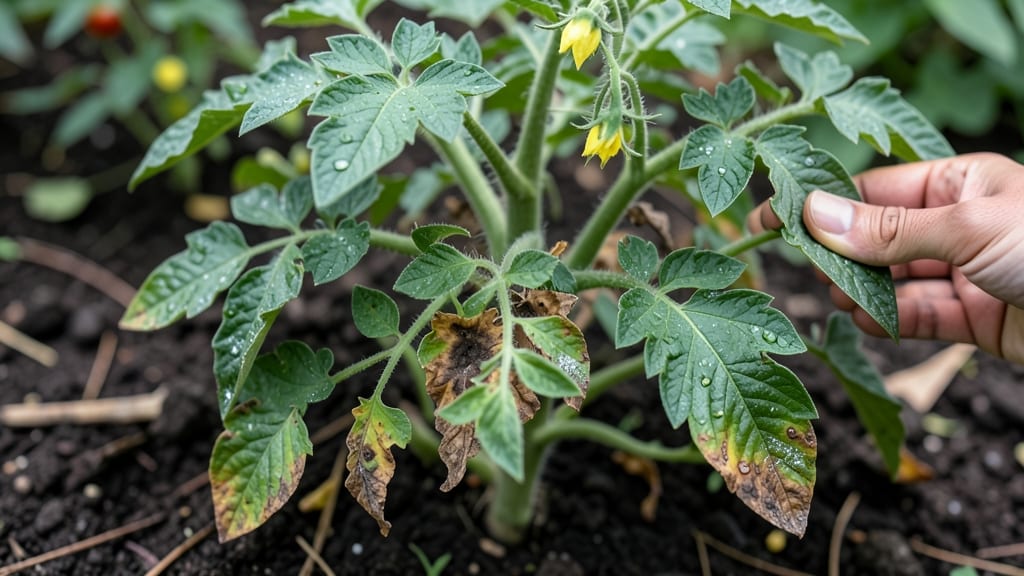
Tomato leaves turning brown can feel like a death sentence for your summer harvest—until you know the real culprits behind that crispy edge. 🌱 I’ve watched my own plants go from lush and green to sad, brittle brown in just days, and the fix isn’t as complicated as it seems.
The key is figuring out whether you’re dealing with too much water, not enough, a fungal infection, or something sneaky like pests hiding on the undersides of leaves.
Most brown leaves start with one of three problems: underwatering (which causes crispy, dry edges), overwatering (leading to yellowing and wilting), or fungal diseases like early blight (which shows up as brown spots with yellow halos).
Pests like spider mites can also suck the life out of leaves, leaving behind a dusty, brownish residue. The good news? Each issue has a targeted fix—whether it’s adjusting your watering schedule, pruning infected leaves, or spraying a simple fungicide.
By the end of this, your tomatoes will be back to their vibrant green selves, producing fruit instead of stress. The process is straightforward: diagnose the problem, take action, and prevent future outbreaks.
And if all else fails, I’ll tell you when to cut your losses and start fresh—because even the best gardeners lose a plant or two along the way.
Let’s get those leaves perky again—step by step, without the guesswork. You’ve got this!
Root Causes Behind Brown Tomato Leaves
If your tomato plants are sporting brown leaves instead of lush greens, don’t panic—it’s usually a fixable issue! Understanding the why behind the browning is the first step to restoring your plants’ health. Below, we break down the most common culprits with clear explanations and actionable insights.
Tomatoes thrive on consistent moisture, but too much water (or soggy soil) can suffocate roots, leading to brown, mushy leaves. Overwatering disrupts oxygen flow, causing root rot—a fungal infection that spreads upward, turning leaves yellow or brown.
🔍 How to spot it:
- Leaves turn brown and feel soft or slimy.
- Soil smells foul or stays wet for days.
- Lower leaves brown first (near the soil).
💡 Fix it:
- Let the top 1–2 inches of soil dry out between waterings.
- Ensure pots or garden beds have drainage holes.
- Use well-draining soil (mix in perlite or compost).
- If root rot is severe, trim affected roots and repot in fresh soil.
On the flip side, drought stress forces tomatoes to conserve water by dropping leaves—often starting with brown edges or crispy textures. High temperatures (above 90°F/32°C) accelerate water loss, making leaves wilt and brown faster.
🔍 How to spot it:
- Leaves curl, feel dry, or crunch when touched.
- Browning starts at the edges and moves inward.
- Soil is bone-dry or cracks appear.
💡 Fix it:
- Water deeply at the base of the plant (not overhead) in the early morning.
- Mulch with straw or shredded leaves to retain moisture.
- Provide afternoon shade with a cloth or shade cloth during heatwaves.
- Avoid letting soil dry out completely between waterings.
Brown spots with yellow halos, white mold, or slimy patches? You’re likely dealing with a pathogen. Common offenders include:
- Early blight (Alternaria solani): Brown, concentric rings on lower leaves.
- Late blight (Phytophthora infestans): Dark, greasy spots that spread rapidly.
- Bacterial spot (Xanthomonas): Tiny, water-soaked brown spots with yellow edges.
🔍 How to spot it:
- Spots appear suddenly and worsen in humid weather.
- Leaves may drop prematurely.
- Stems or fruit can develop lesions.
💡 Fix it:
- Remove all infected leaves and destroy them (don’t compost!).
- Apply a copper fungicide or baking soda spray (1 tsp baking soda + 1 quart water + a drop of dish soap).
- Space plants for better airflow (2–3 feet apart).
- Water in the morning to let foliage dry quickly.
Brown leaves can also signal nutritional imbalances. For example:
- Nitrogen deficiency: Older leaves turn brown and yellow (not just brown).
- Potassium deficiency: Brown scorch marks appear on leaf edges.
- Magnesium deficiency: Interveinal browning (between veins).
- Salt or chemical buildup: Uniform brown discoloration, often from over-fertilizing or poor water quality.
🔍 How to spot it:
- Browning is even across leaves (not spotty).
- New growth is stunted or pale.
- Soil tests reveal high salt or pH imbalances.
💡 Fix it:
- Test your soil’s pH (aim for 6.0–6.8 for tomatoes).
- Fertilize with a balanced formula (e.g., 10-10-10) or compost tea.
- Flush soil with water if salt buildup is suspected.
- Avoid over-fertilizing—more isn’t always better!
Chewing insects (like hornworms or aphids) or sharp tools can cause ragged, brown edges. Spider mites, meanwhile, create stippled browning from feeding on leaf sap.
🔍 How to spot it:
- Holes, chew marks, or webbing on leaves.
- Tiny bugs (or their eggs) on undersides of leaves.
- Browning is irregular and often localized.
💡 Fix it:
- Handpick large pests (like hornworms) or spray with neem oil.
- Introduce beneficial insects (ladybugs, lacewings).
- Use row covers to block flying pests.
- Prune damaged leaves to encourage new growth.
🌟 Pro Tip: Keep a plant journal to track when browning starts—this helps pinpoint the exact cause next time!
Quick Fixes for Reviving Your Tomatoes
Brown tomato leaves can feel like a gardener’s worst nightmare, but with the right approach, you can nurse your plants back to health—and even prevent future issues. Below are practical, step-by-step solutions tailored to the most common causes, plus prevention tips to keep your tomato plants lush and green.
If brown spots with yellow halos or concentric rings appear, fungi are likely to blame. Act fast to stop the spread!
🍳 Step 1: Remove Infected Leaves
- 🔪 Snip or pull brown or spotted leaves with clean pruners (sterilize with rubbing alcohol).
- ⏰ Do this in the morning so leaves dry quickly—wet leaves spread spores faster.
👨🍳 Step 2: Apply Fungicide
- 💡 Organic option: Mix 1 tbsp baking soda + 1 tsp dish soap + 1 gallon water, spray leaves (avoid fruit).
- 🌡️ Chemical option: Use copper fungicide or neem oil spray (follow label rates).
- ✨ Reapply every 7–10 days until new growth appears.
🎯 Prevention Tips
- 🌱 Space plants 18–24 inches apart for airflow.
- 💦 Water at the base (not overhead) and early in the day so leaves dry.
- 🍅 Rotate crops—don’t plant tomatoes in the same spot yearly.
Brown, crispy edges or wilting? Your tomatoes might be overheated, dehydrated, or drowning.
🔥 Step 1: Adjust Watering
- 💧 Check soil moisture—stick your finger 1–2 inches deep. Water only when dry.
- 🌧️ Use drip irrigation or soaker hoses to avoid wetting leaves.
- ⏰ Water deeply in the morning (1–1.5 inches per week).
👨🍳 Step 2: Shield from Harsh Conditions
- 🌞 For heat stress: Provide shade cloth (30–50%) during peak sun (10 AM–4 PM).
- 💨 For windburn: Use stakes or cages to support plants and windbreaks (like burlap or tall plants).
- 🌡️ Mulch heavily (2–3 inches of straw or grass clippings) to retain moisture.
🎯 Prevention Tips
- 🌱 Choose heat-tolerant varieties like ‘Solar Fire’ or ‘Heatmaster’.
- 🥗 Avoid late-season watering—it encourages nighttime fungal growth.
- 🍅 Monitor humidity—use a dehumidifier in greenhouses if needed.
Brown leaf edges or yellowing between veins? Your tomatoes may be starving for nutrients or burning from excess salt.
🍳 Step 1: Flush the Soil
- 💦 Water heavily for 10–15 minutes to leach out excess salt or fertilizer.
- 🌱 Repeat 2–3 times over a week to reset the soil.
👨🍳 Step 2: Feed with the Right Nutrients
- 💡 For potassium deficiency (brown edges): Use banana peel tea (steep peels in water for 24 hours) or Epsom salt (1 tbsp per gallon).
- 🌡️ For general health: Apply balanced fertilizer (10-10-10) or compost tea every 2 weeks.
- ✨ Avoid high-nitrogen fertilizers—they encourage leafy growth but hurt fruit production.
🎯 Prevention Tips
- 📊 Test soil before planting (ideal pH: 6.0–6.8).
- 🥗 Use organic matter like compost or worm castings to improve soil structure.
- 🍅 Follow fertilizer instructions—more isn’t better!
If more than 50% of leaves are brown, your plant may need drastic measures:
- 🌱 Prune aggressively—cut back to healthy green growth to redirect energy.
- 💧 Give a weak sugar-water boost (1 tsp sugar + 1 gallon water) to revive struggling plants.
- 🌿 Consider replanting if the plant is beyond saving—focus on saving nearby tomatoes.
Remember: Consistency is key! Check your plants daily for new issues and adjust care as needed. With these fixes, your tomatoes will be back to thriving in no time—and you’ll be rewarded with juicy, homegrown fruit all season long! 🍅🌿
Frequently asked questions
Why do my tomato leaves turn brown at the edges first?
Brown edges usually signal underwatering or heat stress. Tomato leaves lose moisture through the edges, so when water is scarce, they start browning there first. Check soil moisture—if the top 1–2 inches are dry, water deeply at the base in the morning. Mulching helps retain moisture and prevents rapid drying.
Are brown spots with yellow rings a fungal disease?
Yes, those are classic signs of early blight or late blight. Remove infected leaves immediately and apply a copper fungicide or baking soda spray (1 tbsp baking soda + 1 quart water + dish soap). Space plants 18–24 inches apart for airflow to prevent spread. Humid conditions worsen fungal growth, so water in the morning.
Can I save a tomato plant if most leaves are brown?
It depends! If over 50% of leaves are brown but the stem is still firm, prune back to healthy growth and give it a sugar-water boost (1 tsp sugar + 1 gallon water). However, if the plant is wilted, mushy, or has extensive root rot, it’s often best to replant and focus on saving nearby tomatoes. Don’t compost infected plant material—destroy it to prevent spreading diseases.
Why do my tomato leaves turn brown overnight?
Sudden browning overnight usually means extreme stress—likely from frost, windburn, or overwatering. Check for cold temperatures (tomatoes need 50°F+ nights) or physical damage. If soil is soggy, reduce watering and improve drainage. For windburn, use stakes or cages to protect plants. Mulch heavily to stabilize soil moisture and prevent temperature swings.
How do I tell if brown leaves are from pests or disease?
Pests like spider mites or hornworms cause irregular browning with holes, webbing, or chew marks, while diseases create uniform spots or discoloration. Flip leaves to check for tiny bugs or eggs. For pests, spray with neem oil or introduce beneficial insects. Diseases require fungicides and better airflow—space plants and water at the base.