
Plants
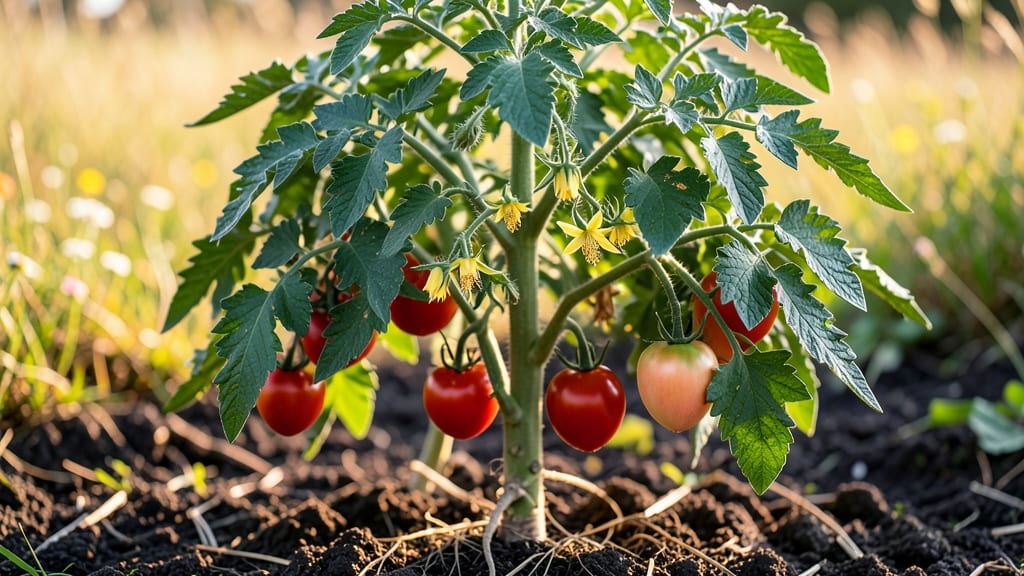
Your tomato plant health is suffering when they should be thriving—this calcium fix saves them in 3 simple steps. I’ve seen wilted leaves turn vibrant green again using just a few household items, and you can too.
The secret isn’t fancy fertilizers but correcting a hidden nutrient imbalance that’s silently stressing your plants.
Yellowing leaves, stunted growth, and weak stems? Those are classic signs of calcium deficiency, often called "blossom end rot" in tomatoes. The good news is this fix works for both young seedlings and mature plants—no matter how bad it looks.
You’ll need crushed eggshells, water, and a spray bottle, and the process takes less than 10 minutes.
After just 24 hours, you’ll notice leaves perking up and new growth appearing stronger. The fix strengthens cell walls, preventing wilting and improving fruit firmness. Your tomatoes won’t just survive—they’ll produce heavier, sweeter harvests all season long. Let’s get those plants back to their best.
Works for container gardens, raised beds, and in-ground plants alike. Even if your tomatoes are already flowering, this method won’t disrupt pollination or fruit development. Here’s exactly how to do it without guesswork.
Root Causes Of Leaf Wilting
Understanding why tomato plants develop wilted leaves starts with uncovering the hidden stressors at play. While the symptoms may look similar, the underlying causes can vary widely—from nutrient deficiencies to environmental extremes. Let’s break down the key triggers behind weak, drooping foliage and why they disrupt your plant’s vitality.
Tomato plants thrive in warm conditions, but extreme heat (especially above 90°F/32°C) accelerates water evaporation through transpiration. When roots can’t keep up with demand, leaves wilt as a survival mechanism to reduce water loss.
- Why it happens:
- High temperatures increase stomatal opening, causing rapid moisture depletion.
- Soil moisture evaporates faster, leaving roots struggling to absorb enough water.
- Humidity drops (common in dry climates or indoor setups) worsen the problem by preventing air moisture from slowing transpiration.
- Actionable insight: Mulch heavily to retain soil moisture and use shade cloth during peak heat. Water deeply in the early morning or evening to minimize evaporation.
While underwatering is a common culprit, overwatering is equally damaging. Soggy soil cuts off oxygen to roots, preventing them from absorbing water and nutrients efficiently. This leads to wilting despite wet soil—a classic sign of root stress.
- Why it happens:
- Compacted or poorly draining soil traps excess water, suffocating roots.
- Fungal infections (like Phytophthora) thrive in waterlogged conditions, clogging root cells.
- Weakened roots can’t transport water to leaves, causing collapse.
- Actionable insight: Test soil moisture with your finger—top 1–2 inches should dry out between waterings. Amend heavy soil with perlite or compost to improve aeration.
Wilting leaves are often a calcium deficiency (blossom end rot’s lesser-known cousin). Calcium is crucial for cell wall structure, and without it, leaves lose rigidity and droop.
- Why it happens:
- Imbalanced pH (too acidic or alkaline) locks out calcium absorption.
- Inconsistent watering causes fluctuating nutrient uptake—roots can’t access calcium evenly.
- High nitrogen fertilizers (without calcium supplements) starve plants of this essential mineral.
- Actionable insight: Apply calcium-rich amendments like crushed eggshells, gypsum, or a balanced fertilizer with calcium nitrate. Maintain a pH of 6.0–6.8 for optimal uptake.
Hidden invaders like aphids, spider mites, or fungal pathogens (e.g., early blight) drain energy from tomato plants. Infested leaves wilt as the plant diverts resources to fight off attackers.
- Why it happens:
- Sap-sucking pests (like aphids) disrupt nutrient flow, causing yellowing and wilting.
- Fungal spores (from overwatering or humidity) clog stomata, preventing gas exchange.
- Viral infections (spread by insects) weaken vascular systems, leading to sudden wilting.
- Actionable insight: Inspect leaves undersides and stems for pests. Use neem oil or insecticidal soap for infestations. Prune affected foliage immediately to stop spread.
Tomatoes in containers or compacted soil hit a growth ceiling when roots outgrow their space. Crowded roots compete for nutrients and water, leading to stunted growth and wilting.
- Why it happens:
- Root-bound plants (circling roots in pots) restrict water and nutrient uptake.
- Clay-heavy soil holds too much water, suffocating roots.
- Lack of organic matter reduces soil porosity, slowing root expansion.
- Actionable insight: Repot root-bound plants into larger containers with fresh, well-draining mix. For in-ground tomatoes, loosen soil annually with compost or aged manure.
Strong winds or rough handling (like aggressive pruning) can rupture plant cells, causing wilting. While less common, this is a mechanical stressor that disrupts water transport.
- Why it happens:
- Wind desiccation dries out leaves faster than roots can replace moisture.
- Physical trauma (e.g., bending stems) damages xylem vessels, the plant’s water highways.
- Hail or pests (like hornworms) chew on leaves, increasing water loss.
- Actionable insight: Use windbreaks (like trellises or burlap screens) to shield plants. Avoid pruning in hot, dry conditions—do it in the early morning when cells are hydrated.
Pro Tip 💡: Wilting isn’t always permanent! Start by checking soil moisture, leaf undersides, and root health—your tomato’s revival often depends on addressing the specific cause, not just symptoms.
Reviving Your Tomato Plants Fast
When your tomato plants show signs of stress—like wilted leaves, stunted growth, or blossom-end rot—it’s time to take action. The good news? Most issues have simple, effective fixes. Below, we’ve mapped out the most common tomato plant problems and the step-by-step solutions to get them back on track.
Plus, we’ll share prevention tips to keep your plants thriving long-term.
Cause: Low calcium in the soil, often due to uneven watering or poor soil quality.
How to Solve It:
🔥 Step 1: Apply a Calcium Boost
- Quick Fix: Sprinkle crushed eggshells (baked and ground) around the base of the plant. Eggshells are a natural calcium source that dissolves slowly.
- Fast-Acting Option: Mix 1 tablespoon of calcium nitrate or gypsum into the soil near the roots.
Water thoroughly to help absorption. - DIY Alternative: Use unprocessed milk (yes, really!). Pour a small amount around the base—it’s packed with calcium and beneficial microbes.
🍳 Step 2: Adjust Your Watering Habits
- Water Consistently: Tomatoes need 1–2 inches of water per week, but avoid letting the soil dry out completely between waterings.
Drip irrigation or soaker hoses work best to keep moisture even. - Water at the Base: Avoid wetting the leaves to prevent fungal diseases. Use a watering can with a narrow spout or a drip system for precision.
👨🍳 Step 3: Improve Soil Health
- Amend the Soil: Mix in compost or well-rotted manure to improve nutrient availability. Aim for a pH of 6.0–6.8—test your soil with a kit if needed.
- Mulch Heavily: Use straw or grass clippings to retain moisture and prevent calcium leaching.
Replenish mulch every few weeks.
💡 Prevention Tip:
- Rotate Crops: Don’t plant tomatoes in the same spot year after year—this depletes calcium. Switch to legumes or leafy greens in the off-season.
- Start with Calcium-Rich Soil: Before planting, work bone meal (1–2 cups per plant) into the soil for a slow-release calcium boost.
Cause: Overwatering, poor airflow, or contaminated soil/fungus spores.
How to Solve It:
🔪 Step 1: Remove Affected Leaves & Fruit
- Prune Aggressively: Snip off yellow or brown leaves (especially lower ones) and infected fruit using sterilized pruners (wipe with rubbing alcohol between cuts).
- Dispose Properly: Don’t compost infected plant material—bag and trash it to prevent spread.
🌡️ Step 2: Boost Airflow & Reduce Moisture
- Space Plants Wider: Give tomatoes 18–24 inches of space between plants for better airflow. If growing in containers, choose larger pots (5+ gallons).
- Water Early in the Day: Water before 10 AM so foliage dries quickly.
Avoid overhead watering—use drip irrigation instead. - Prune for Sunlight: Remove suckers (side shoots) and inner leaves to improve light penetration and airflow.
🎯 Step 3: Apply Fungicides (Natural or Chemical)
- Baking Soda Spray: Mix 1 teaspoon baking soda + 1 quart water + a few drops of dish soap.
Spray every 7–10 days on leaves (under and over). - Neem Oil: Combine 1 tablespoon neem oil + 1 teaspoon mild soap + 1 quart water. Spray at dusk to avoid harming bees.
Repeat every 5–7 days. - Copper Fungicide: For severe cases, use a store-bought copper-based spray (follow label instructions).
✨ Prevention Tip:
- Crop Rotation: Avoid planting tomatoes, peppers, or potatoes in the same spot for 3+ years to break fungal cycles.
- Solarize Soil: In hot climates, cover soil with clear plastic for 4–6 weeks before planting to kill fungus spores.
Cause: Pests suck nutrients, spread disease, or chew leaves/fruit.
How to Solve It:
🕵️♂️ Step 1: Inspect & Remove Pests Manually
- Handpick Hornworms: Look for green caterpillars with white stripes—squish them or drop them in soapy water.
- Blast Aphids: Spray pests off with a strong stream of water from a hose.
- Check Undersides: Flip leaves to spot eggs or tiny pests—remove them before they hatch.
🍎 Step 2: Use Natural Repellents
- Soapy Water Spray: Mix 1 tablespoon mild soap + 1 quart water. Spray directly on pests (avoid beneficial insects like ladybugs).
- Garlic or Chili Spray: Blend 2 garlic cloves + 1 chili pepper + 1 quart water.
Strain and spray on leaves to deter pests. - Diatomaceous Earth: Sprinkle food-grade DE around the base (reapply after rain). It’s harmless to plants but deadly to soft-bodied pests.
🔄 Step 3: Attract Beneficial Insects
- Plant Companion Crops: Grow basil, marigolds, or nasturtiums nearby to attract ladybugs, lacewings, and parasitic wasps (natural pest predators).
- Avoid Broad-Spectrum Pesticides: These kill helpful insects too. Opt for targeted sprays instead.
💡 Prevention Tip:
- Row Covers: Use floating row covers early in the season to block pests like whiteflies and cabbage moths.
- Healthy Plants = Fewer Pests: Strong, well-fed tomatoes are less attractive to pests—fertilize regularly with a balanced 10-10-10 or 5-10-10 formula.
Cause: Lack of nitrogen, phosphorus, potassium, or micronutrients.
How to Solve It:
| Symptom | Likely Nutrient Deficiency | Quick Fix | Long-Term Solution |
|---|---|---|---|
| Yellow lower leaves | Nitrogen (N) | Apply blood meal or fish emulsion | Add compost or aged manure to soil |
| Purple stems/leaves | Phosphorus (P) | Mix in bone meal or rock phosphate | Plant cover crops like clover before tomatoes |
| Brown leaf edges | Potassium (K) | Use potassium sulfate or wood ash | Add banana peels (composted) to soil |
| Weak stems, small fruit | Micronutrients (Mg, Fe, Zn) | Spray Epsom salt (magnesium) or chelated iron | Test soil and amend with greensand or kelp meal |
💡 Prevention Tip:
- Fertilize in Stages: Apply half the recommended dose at planting, then side-dress with compost when flowers appear.
- Foliar Feeding: Mix liquid fertilizer (like seaweed extract) with water and spray on leaves for fast absorption.
With these targeted fixes, your tomato plants should bounce back in 1–2 weeks. The key is acting quickly, improving soil health, and preventing future issues with smart care. Happy growing—and enjoy those juicy tomatoes! 🍅🌿
Frequently asked questions about tomato plant health
Why do my tomato leaves suddenly turn yellow and wilt?
Yellowing and wilting often signals a nutrient deficiency (like calcium or nitrogen), overwatering, or root stress. Check soil moisture first—wilting despite wet soil means poor drainage. Calcium deficiency (common with uneven watering) causes yellowing between leaf veins. Test soil pH (6.0–6.8 ideal) and amend with crushed eggshells or gypsum.
How often should I water tomato plants to prevent wilting?
Water 1–2 inches per week, but adjust for climate. In heatwaves, water daily at the base (early morning or evening). Avoid wetting leaves to prevent fungal diseases. Use drip irrigation or soaker hoses for consistent moisture. Let the top 1–2 inches of soil dry between waterings to encourage deep root growth.
Can I save a tomato plant with blossom end rot?
Yes! Blossom end rot (black, sunken spots on fruit) is a calcium deficiency. Apply crushed eggshells or calcium nitrate to soil, and water consistently. Remove affected fruit to redirect energy. For severe cases, use a foliar spray with 1 tablespoon calcium chloride per gallon of water. Prevent recurrence by maintaining even soil moisture and mulching.
What’s the best way to fertilize tomatoes for strong, healthy plants?
Use a balanced fertilizer (10-10-10 or 5-10-10) at planting, then switch to low-nitrogen (5-10-10 or 3-4-6) when flowers appear. Add compost or aged manure for organic nutrients. For micronutrients, spray Epsom salt (1 tablespoon per gallon) for magnesium. Avoid over-fertilizing—too much nitrogen causes leafy growth at the expense of fruit.
How do I tell if my tomato plant has a pest problem?
Look for chewed leaves (hornworms), sticky residue (aphids), or tiny webs (spider mites). Check leaf undersides for eggs or pests. Common tomato pests include aphids, whiteflies, and flea beetles. Use neem oil or insecticidal soap for mild infestations. For severe cases, handpick pests or introduce beneficial insects like ladybugs.