
Plants
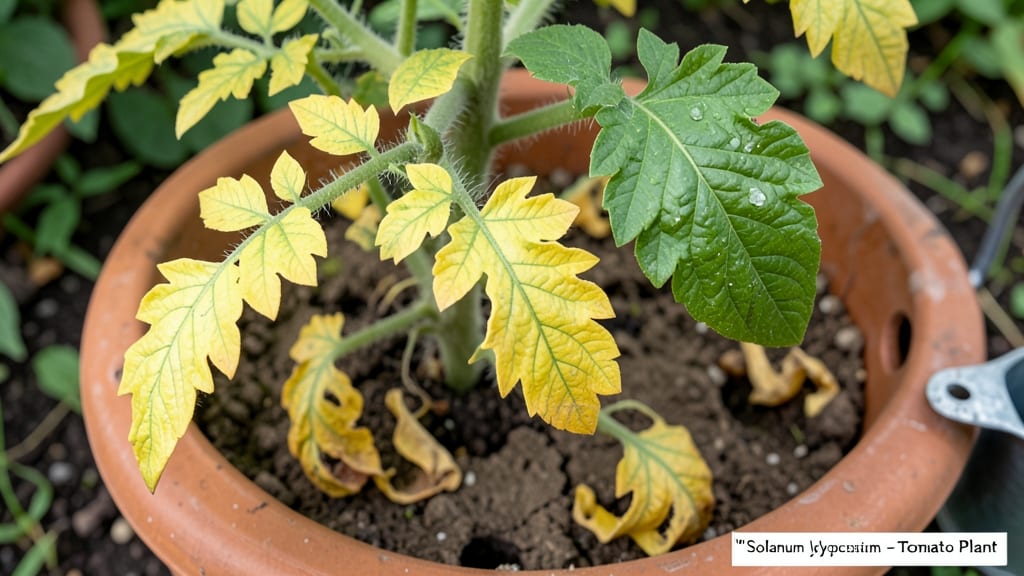
Your potted tomato plants are screaming for help when those leaves turn yellow—this is your quick fix. 🌱 I’ve nursed back more than a dozen struggling tomato plants from sad, limp messes to productive powerhouses, and the solutions are simpler than you’d think, especially when you’re working with containers.
The problem almost always boils down to two things: overwatering (which drowns roots) or nutrient starvation (when the soil can’t keep up with hungry plants). Pots dry out faster than garden beds, and without proper drainage or fertilizer, your tomatoes get desperate—fast. The good news?
A few targeted tweaks can turn things around in 10-14 days if you catch it early. Start by checking the soil: if it’s soggy, you’re overwatering; if it’s bone-dry, you’re underwatering. Both rob leaves of their vibrant green, but the fix is the same—balance.
Add a slow-release fertilizer or compost to replenish what’s missing, and make sure your pots have drainage holes (no excuses here). Overcrowding? Prune those suckers and give roots room to breathe. This isn’t just about saving plants—it’s about harvesting juicy, flavorful tomatoes all season long.
Let’s get your pots back in shape before the next heatwave hits.
Root Causes Of Leaf Discoloration
Tomato plants in pots are prone to yellowing leaves due to a mix of environmental and care-related factors. Unlike in-ground plants, container-grown tomatoes face unique challenges—limited root space, faster nutrient depletion, and fluctuating moisture levels.
Understanding the why behind these symptoms is the first step to restoring your plant’s health. Below, we break down the most common culprits, backed by science, so you can diagnose and act fast.
Yellowing leaves often signal a lack of essential nutrients, but the pattern of discoloration reveals the specific deficiency:
- 📊 Nitrogen (N) Deficiency Leaves turn pale yellow or yellow-green, starting at the older, lower leaves and progressing upward. This is your plant’s way of saying, "I need protein to grow!" - Why it happens: Nitrogen fuels leaf growth. In pots, soil nutrients deplete faster than in open ground.
Poor-quality potting mixes or overzealous flushing (leaching) can also strip it away. - Actionable fix: Switch to a balanced fertilizer (look for 10-10-10 or 5-5-5 ratios) and apply every 2–3 weeks during active growth. For a quick boost, use liquid fish emulsion or compost tea.
- 💧 Magnesium (Mg) Deficiency (Chlorosis) Yellowing appears between leaf veins (interveinal chlorosis), often on older leaves. Magnesium is critical for chlorophyll production—the green pigment that captures sunlight. - Why it happens: Overwatering or acidic soil (pH < 6.0) locks out magnesium.
Sandy or peat-heavy potting mixes also lack this mineral. - Actionable fix: Apply Epsom salt (magnesium sulfate) at 1 tablespoon per gallon of water, sprayed on leaves or poured into the soil. Repeat every 2–4 weeks. Test your soil pH—aim for 6.0–6.8 for tomatoes.
- 🍃 Potassium (K) Deficiency Yellowing starts at the leaf edges (scorched appearance) and spreads inward.
Potassium regulates water and nutrient transport—without it, leaves "burn" from the outside in. - Why it happens: Frequent watering with soft water (low in potassium) or over-fertilizing with nitrogen-heavy feeds (like urea) throws off the balance. - Actionable fix: Use a potassium-rich fertilizer (like 0-10-10) or wood ash (sprinkle lightly around the base).
Banana peel tea (steep peels in water for a week) is a natural remedy.
Pots retain moisture longer than garden beds, creating the perfect storm for root rot and nutrient dilution. Yellowing leaves with soggy soil and mushy stems are red flags.
- 🌡️ Poor Drainage & Root Suffocation Roots need oxygen—when pots stay waterlogged, they suffocate, starving the plant of nutrients and causing leaves to yellow, especially on lower stems. - Why it happens: Cheap pots without drainage holes, compacted soil, or overzealous watering (even "light" potting mixes retain moisture). - Actionable fix: - Check drainage: Poke holes in the bottom if missing.
Elevate pots on feet or saucers to prevent water pooling. - Adjust watering: Stick your finger 1–2 inches into soil—water only when dry. In hot weather, morning watering prevents evening sogginess. - Amend soil: Mix in perlite or vermiculite (20%) to improve aeration.
- 🚰 Nutrient Leaching from Overwatering Excess water flushes nutrients out of the root zone, leaving plants starved even if soil looks moist.
- Why it happens: Frequent deep watering (especially with rain or tap water) washes away soluble nutrients like nitrogen and magnesium.
- Actionable fix:
- Water deeply but less often—aim for 1–1.5 inches per week (including rainfall).
- Use rainwater or filtered water (tap water often lacks essential minerals).
- Top-dress with compost every 4–6 weeks to replenish nutrients.
Tomatoes in pots are exposed to intense heat and direct sunlight, which can scorch leaves and disrupt nutrient uptake.
- 🔥 Heat Stress & Transpiration Overload Leaves may yellow suddenly in hot afternoons, especially if the pot material (like black plastic) absorbs and radiates heat. - Why it happens: High temperatures increase transpiration (water loss), but roots can’t absorb nutrients fast enough.
Soil dries out quickly, locking out water and minerals. - Actionable fix: - Shade cloth (30–50%) during peak sun (11 AM–3 PM). - Use light-colored pots or wrap dark pots in reflective bubble wrap. - Mulch with straw to retain moisture and cool roots.
- ❄️ Temperature Swings & Cold Stress Yellowing on new leaves or purpling stems can signal cold damage, especially in early spring or fall. - Why it happens: Tomatoes thrive in 60–85°F soil temps.
Below 50°F, roots slow down, halting nutrient absorption. - Actionable fix: - Move pots to a sheltered spot (near a south-facing wall) if nights dip below 55°F. - Use row covers or cloche tunnels for young plants. - Avoid watering cold plants—wait until soil warms in the sun.
While less common than nutrient issues, pests and diseases can cause yellowing by blocking nutrient uptake or damaging roots/leaves.
- 🐜 Root-Knot Nematodes or Fungal Root Rot Yellowing new leaves with stunted growth and wilting may indicate root damage from nematodes or fungi like Phytophthora.
- Why it happens: Poor drainage, reused infested soil, or wounds from over-pruning invite these pests.
- Actionable fix:
- Inspect roots—healthy roots are white; black/mushy roots = rot; knotty galls = nematodes.
- Drench with neem oil (1 tsp/gallon) or hydrogen peroxide (1 tbsp/gallon) for fungal issues.
- Solarize soil (cover pots in clear plastic for 4–6 weeks in sun) to kill nematodes.
- 🐛 Aphids or Spider Mites Sticky leaves or yellowing with white webs signal sap-sucking pests that weaken the plant’s ability to photosynthesize.
- Why it happens: Dry air (from heat or low humidity) attracts mites; aphids love new growth.
- Actionable fix:
- Blast off pests with a strong spray of water.
- Spray with insecticidal soap (1 tbsp per quart of water) every 3–4 days.
- Introduce predator insects like ladybugs or lacewings.
Fixing Yellow Leaves Fast
Yellowing leaves on your potted tomato plants aren’t just an eyesore—they’re a cry for help! The good news? Most causes have simple, actionable fixes. Below, we’ll match the most common culprits to proven solutions, plus tips to keep your plants thriving long-term. Grab your gloves and let’s get to work!
Signs: Soggy soil, yellowing lower leaves, wilting despite moisture, or a foul smell. Why it happens: Pots drain poorly, roots suffocate, and oxygen-starved roots can’t absorb nutrients—leading to yellowing and even root rot.
🚿 Step-by-Step Fix:
- 🔍 Check the Soil First
- Stick your finger 1–2 inches deep. If it’s damp, wait. If it’s muddy or smells like a swamp, act fast.
- Pro Tip: Use a moisture meter for accuracy—no more guesswork!
- 🌧️ Adjust Your Watering Routine
- Water deeply but less often. Aim for 1–1.5 inches per week (adjust for climate). Let the top inch of soil dry out between waterings.
- 💡 Morning watering is key. It reduces evaporation and fungal risks (like early blight).
- 🏗️ Improve Drainage
- Add perlite or vermiculite (10–20%) to your potting mix for better aeration.
- Upgrade your pots. Terracotta or fabric pots breathe better than plastic. If stuck with plastic, drill drainage holes if missing.
- Elevate pots on saucers or feet to prevent water pooling.
- 🌱 Rescue Root Health
- If roots look mushy or black, trim the rot with sterilized scissors, then repot in fresh, well-draining soil.
- 💡 Hydrogen peroxide soak (1 tsp in 1 quart water) for 10 mins can disinfect roots before repotting.
- 🌿 Prevent Future Overwatering
- Mulch with straw or shredded leaves to slow moisture loss.
- Use self-watering pots if you travel often—but monitor closely!
Signs: Pale or yellow between veins (especially older leaves), stunted growth, or purplish stems (phosphorus deficiency).
🌱 Step-by-Step Fix:
- 📊 Diagnose the Deficiency Use this quick chart to identify the issue:
| Symptom | Likely Nutrient | Quick Fix |
|---|---|---|
| Yellow between veins | Nitrogen (N) | Diluted fish emulsion or compost tea |
| Yellow edges, weak stems | Potassium (K) | Banana peel tea or potassium sulfate |
| Dark green veins, pale leaves | Magnesium (Mg) | Epsom salt (1 tbsp/gallon water) |
| Slow growth, small leaves | Phosphorus (P) | Bone meal or rock phosphate |
- 🍽️ Fertilize Right
- For nitrogen: Use a balanced fertilizer (10-10-10) or compost tea every 2 weeks.
- For micronutrients: Mix 1 tbsp Epsom salt per gallon of water (for magnesium) or 1 tsp liquid iron chelate (for iron chlorosis).
- 💡 Organic route? Try worm castings (slow-release) or seaweed extract (packed with micronutrients).
- 🌡️ Avoid Over-Fertilizing
- More isn’t better! Burnt leaves? Flush the soil with plain water to leach excess salts.
- 🎯 Pro Tip: Feed after watering so nutrients reach roots, not just the soil surface.
- 🌿 Long-Term Soil Health
- Repot annually in fresh potting mix (tomatoes deplete nutrients fast!).
- Add mycorrhizal fungi to your soil—it helps roots absorb nutrients better!
Signs: Crispy, yellow edges on upper leaves (especially in hot afternoons), or leaves curling like a taco.
🌿 Step-by-Step Fix:
- 🌞 Gradually Adjust Sunlight
- Move pots to partial shade (4–6 hours of sun) for a week, then reintroduce sun slowly.
- 💡 Use shade cloth (30–50%) if direct sun is unavoidable.
- 💦 Hydrate & Cool Roots
- Mist leaves in the morning to reduce heat stress.
- Place pots on reflective surfaces (like a white tray) to bounce light away.
- 🌱 Prevent Future Scorch
- Choose heat-tolerant varieties like ‘Solar Fire’ or ‘Heatmaster’ for hot climates.
- Water deeply in the evening to cool the soil overnight.
Signs: Yellowing with holes, sticky residue, or spots; wilting despite care.
🛡️ Step-by-Step Fix:
- 🔍 Identify the Culprit
- Aphids/spider mites? Look for webbing or tiny bugs.
- Fungal spots? Check for dark, circular lesions (early blight).
- Root-knot nematodes? Yellowing with stunted growth (common in reused soil).
- 🧼 Treat Accordingly - Pests: Spray with neem oil (1 tbsp/gallon water) or insecticidal soap.
Repeat every 5 days. - Fungus: Apply copper fungicide or baking soda spray (1 tsp baking soda + 1 quart water + few drops of soap). - Nematodes: Solarize soil (cover pots with clear plastic for 4–6 weeks) or repot with sterile, nematode-free mix.
- 🌱 Stop the Spread
- Remove infected leaves immediately (don’t compost them!).
- Rotate crops—never replant tomatoes in the same spot next year.
- 🌡️ Monitor temps: Tomatoes thrive at 70–85°F.
Use a mini greenhouse for cool nights. - 🍅 Prune wisely: Remove lower leaves touching soil to prevent disease, but leave upper leaves for energy. - 🌱 Test your soil: A $20 soil test kit reveals pH/nutrient imbalances—fix them before they yellow! - 🚫 Avoid tap water: Chlorine and fluoride can stress plants.
Use rainwater or filtered water instead.
Remember: Yellow leaves are a message, not a death sentence. Act fast, adjust one thing at a time, and your tomato plants will bounce back—ready to deliver the juiciest harvest of the season! 🍅🌟
Frequently asked questions about yellowing tomato leaves in pots
Why do my tomato leaves turn yellow even when I water them regularly?
Overwatering is the #1 culprit! Pots drain poorly, causing root suffocation and nutrient starvation. Check soil moisture by sticking your finger 1-2 inches deep—if it's damp, wait before watering. Yellowing lower leaves with soggy soil? You're likely drowning your roots. Try watering only when the top inch feels dry.
How can I tell if my tomato plant has a nutrient deficiency vs. overwatering?
Look at the pattern: Nutrient deficiencies show yellowing between veins (magnesium) or at leaf edges (potassium), while overwatering causes yellowing starting at older, lower leaves with possible wilting. For deficiencies, use Epsom salt (magnesium) or banana peel tea (potassium). For overwatering, improve drainage immediately.
Can I save my tomato plant if the yellowing has spread to most leaves?
Yes, but act fast! First, prune severely yellowed leaves to redirect energy. Then check roots—healthy ones are white; black/mushy roots need trimming and repotting in fresh soil. For nutrient issues, fertilize with a balanced 10-10-10 mix and use rainwater (tap water lacks minerals). With proper care, new growth should return in 10-14 days.
What's the best fertilizer for potted tomatoes to prevent yellow leaves?
Avoid cheap synthetic fertilizers! Use organic options like compost tea (weekly), fish emulsion (every 2 weeks), or slow-release pellets. For quick fixes, mix 1 tbsp Epsom salt per gallon of water (magnesium) or wood ash (potassium). Always water first to help nutrients reach roots, not just sit on soil surface.
My potted tomato leaves are yellow and curling—could it be pests?
Check for aphids or spider mites first! Look under leaves for tiny bugs or webbing. Blast them off with water, then spray with neem oil (1 tbsp/gallon) or insecticidal soap. For fungal issues (like early blight), use copper fungicide. Yellowing + curling often means heat stress—move plants to partial shade during peak sun hours.