
How To
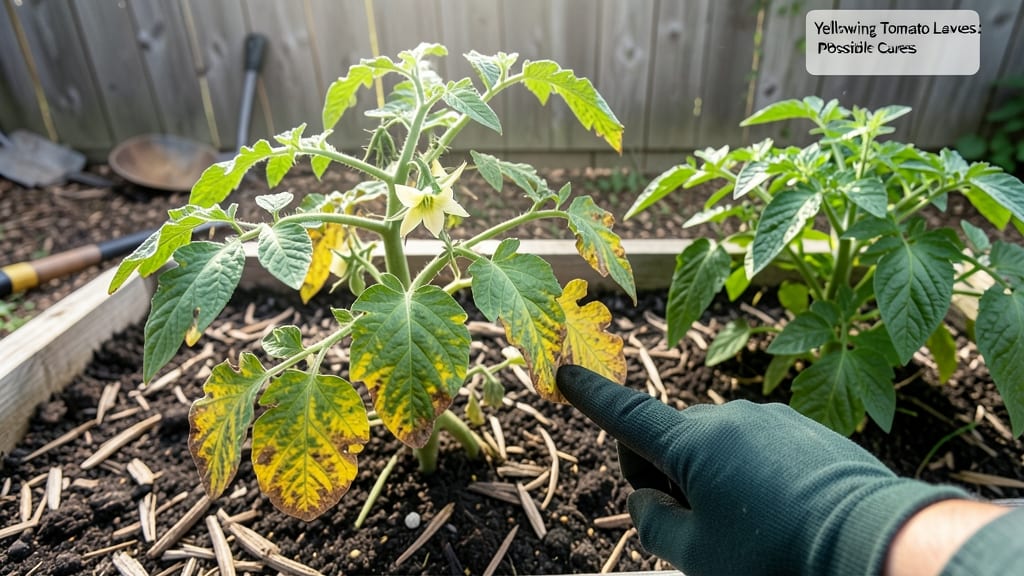
Your tomato plants are screaming for help when those leaves turn yellow—this is your wake-up call. 🌱 I’ve nursed more than my share of sad tomatoes back to health, and the first step is figuring out why they’re protesting.
Yellowing leaves aren’t just a cosmetic issue; they’re your plant’s way of saying, “Something’s wrong—fix me!” The real detective work starts with the pattern: Is it the oldest leaves? The newest? The edges? Or is it spreading like a bad rumor? Overwatering drowns roots, while underwatering starves them.
Nutrient deficiencies (especially nitrogen or magnesium) leave telltale streaks, and pests like aphids or spider mites suck the life out of foliage. Each problem has a distinct fingerprint—learn to read it. Once you pinpoint the issue, the fix is often simpler than you’d think.
Adjust your watering routine, feed with the right fertilizer, or blast pests off with soapy water. Within days, you’ll see those leaves perk up again, and your tomatoes will rebound stronger than ever. Trust me, your plants can bounce back—if you act fast.
This isn’t just about saving a plant; it’s about learning the language of your garden. Next time you spot yellow, you’ll know exactly what to do—and your harvest will thank you for it.
Root Causes Of Leaf Discoloration
Yellowing tomato leaves can turn your lush green plants into a sad, patchy mess—but don’t panic! Understanding the why behind the yellow is the first step to saving your harvest.
Below, we break down the most common culprits, from nutrient deficiencies to sneaky pests, with science-backed explanations so you can diagnose and fix the problem fast.
Tomatoes hate soggy feet. When roots sit in waterlogged soil, they suffocate, starving the plant of oxygen and nutrients. This triggers chlorosis—the yellowing of leaves—as chlorophyll production slows down.
- How it happens: Overwatering (especially in heavy clay soil) or containers without drainage holes trap excess moisture, leading to root rot (Pythium or Phytophthora fungi).
- Tell-tale signs:
- Yellowing starts at the bottom of the plant.
- Leaves feel mushy or wilted, even when soil is wet.
- Foul, rotten-egg smell from soil.
- Actionable fix:
- Let the top 1–2 inches of soil dry out before watering again.
- Amend soil with perlite or sand to improve drainage.
- Repot in well-draining containers if using pots.
Yellow leaves are often your plant’s way of screaming, “Feed me!” Nitrogen is the MVP for leafy growth, and when it’s missing, older leaves turn yellow first—a classic sign of nitrogen deficiency. But other nutrients (like magnesium or iron) can also cause yellowing in specific patterns.
| Deficiency | Where It Shows | Why It Happens |
|---|---|---|
| Nitrogen (N) | Yellowing starts on older leaves (bottom-up). | Nitrogen fuels chlorophyll. Without it, leaves can’t produce enough green pigment. |
| Magnesium (Mg) | Yellow spots between leaf veins (interveinal chlorosis). | Magnesium is key for chlorophyll. Poor soil or high pH locks it out. |
| Iron (Fe) | Young leaves turn pale yellow (top-down). | Iron helps chlorophyll form. Calcareous (alkaline) soil blocks absorption. |
| Potassium (K) | Yellowing with brown edges or “scorched” tips. | Potassium regulates water and nutrient transport. Deficiency weakens cell structure. |
💡 Pro Tip: Test your soil’s pH (ideal: 6.0–6.8). If it’s too high (alkaline), add chelated iron or Epsom salt (for magnesium). For nitrogen, use a balanced fertilizer (10-10-10) or compost.
Not all yellowing is about water or food—sometimes, tiny invaders are to blame. Spider mites, aphids, and fungal diseases like early blight or septoria leaf spot can drain your tomato’s vitality, causing yellowing leaves as a secondary symptom.
- Pests:
- Spider mites: Tiny yellow specks (actually stippling) on upper leaves + fine webbing.
- Aphids: Curled, sticky (honeydew-coated) leaves + yellowing from sap-sucking.
- Whiteflies: Yellowing + white, moth-like bugs fluttering when disturbed.
- Fungal Diseases:
- Early blight: Concentric target-like spots (yellow rings with dark centers) on lower leaves.
- Septoria leaf spot: Small, grayish-brown spots with yellow halos.
- Actionable fix:
- Spray infested leaves with neem oil or insecticidal soap for pests.
- Remove infected leaves and apply copper fungicide for diseases.
- Improve air circulation to prevent fungal spread.
Tomatoes are tropical plants—when they’re pushed too hard by extreme conditions, their leaves react with yellowing as a survival tactic. Think of it like your skin turning red in the sun: it’s a stress signal.
- Heat Stress:
- Leaves curl upward and turn yellow, especially in temperatures above 90°F (32°C).
- Solution: Provide shade cloth or mulch to keep roots cool.
- Cold Stress:
- Yellowing + blackened edges after frost or temps below 50°F (10°C).
- Solution: Use row covers or move pots indoors at night.
- Wind Burn:
- Leaves develop brown, crispy edges from drying out.
- Solution: Plant near a windbreak or stake plants for support.
🌡️ Quick Fix: Monitor your tomato’s microclimate. If leaves are yellowing in patches but the rest of the plant is healthy, environmental stress is likely the culprit.
Now that you know the why, the next step is the how. Stay tuned for our 3-step revival plan to bring your tomato plants back to their vibrant best! 🍅✨
Fixing Fading Tomato Foliage
Yellowing tomato leaves can feel like a gardener’s worst nightmare—especially when you’re just days away from a bountiful harvest. 🍅😬 But don’t toss your trowel just yet! Most causes of yellowing leaves are fixable with the right approach.
Below, we break down practical solutions tailored to the root cause, plus prevention tips to keep your plants lush and productive.
Signs: Yellowing between leaf veins, soggy soil, wilting despite watering. Fix:
- 🔥 Step 1: Let the Soil Dry Out – Stop watering immediately and allow the top 1–2 inches of soil to dry completely before watering again.
- 🍳 Step 2: Improve Drainage – Amend heavy or compacted soil with perlite, sand, or compost to help excess water escape. Raised beds or containers with drainage holes can also help.
- 👨🍳 Step 3: Check Your Watering Routine – Water deeply 1–2 times per week (depending on climate) rather than frequent shallow waterings. Early morning is best to reduce fungal risks.
- ⏰ Pro Tip: If your pot lacks drainage, poke holes in the bottom or place it in a saucer filled with gravel to catch excess water.
Prevent: Use well-draining potting mix and avoid watering on a schedule—check soil moisture with your finger before watering.
Signs: Yellowing with crispy edges, wilting in afternoon heat, leaves curling upward. Fix:
- 🌡️ Step 1: Provide Afternoon Shade – Use shade cloth (30–50%) or move potted tomatoes to a spot with partial shade during peak sun (11 AM–4 PM).
- 💧 Step 2: Increase Water Frequency – Mulch around the base with straw or wood chips to retain moisture and cool roots. Water at the soil level (not leaves) to prevent evaporation.
- 🎯 Step 3: Boost Humidity – Place a tray of water near plants or mist leaves lightly in the early morning (avoid evening misting to prevent disease).
Prevent: Choose heat-tolerant varieties like ‘Solar Fire’ or ‘Heatmaster’ if you live in a hot climate.
Signs: Yellow spots with dark rings (early blight), brown patches (late blight), or white powdery coating (mildew). Fix:
- 🔪 Step 1: Prune & Remove Infected Leaves – Snip off yellow or spotted leaves with clean shears and dispose of them in the trash (not compost). Avoid handling leaves when wet to prevent spores from spreading.
- 🌿 Step 2: Apply Fungicide – Spray with a copper-based fungicide or neem oil solution (1 tsp neem oil + 1 tsp mild soap per quart of water). Reapply every 7–10 days or after rain.
- 🌡️ Step 3: Improve Airflow – Space plants 18–24 inches apart and stake tomatoes to prevent leaves from touching soil or each other.
Prevent:
- 💡 Rotate crops yearly to avoid soil-borne fungi.
- ✨ Water at the base (not overhead) and remove lower leaves to keep foliage dry.
Signs: Yellowing lower leaves first (nitrogen deficiency), yellow between veins (magnesium), or purple stems (phosphorus). Fix:
- 📊 Step 1: Test Your Soil – Use a DIY soil test kit (available at garden centers) to identify deficiencies. Common fixes:
- Nitrogen (green leaves): Apply compost, fish emulsion, or a balanced fertilizer (10-10-10).
- Magnesium (yellow patches): Sprinkle Epsom salt (1 tbsp per gallon of water) every 2 weeks.
- Potassium (weak growth): Use banana peel tea or a potassium-rich fertilizer.
- 🍎 Step 2: Side-Dress Plants – Mix 1–2 inches of compost into the soil around the base (avoid touching stems).
Prevent: Fertilize every 4–6 weeks during the growing season and avoid over-fertilizing (which can burn roots).
Signs: Sticky residue (aphids), tiny webs (spider mites), or white flies when leaves are shaken. Fix:
- 🕷️ Step 1: Blast Off Pests – Spray plants with a strong stream of water to knock off aphids or mites.
- 🌿 Step 2: Use Natural Predators – Introduce ladybugs, lacewings, or parasitic wasps (available at garden centers).
- 🔥 Step 3: Apply Insecticidal Soap – Mix 1.5 tbsp mild soap + 1 quart water and spray directly on pests (reapply every 5–7 days).
Prevent:
- 💡 Inspect new plants before bringing them home.
- 🎯 Avoid overcrowding to reduce pest hiding spots.
Final Thought: Most yellowing leaves are reversible with quick action—whether it’s adjusting water, shade, or nutrients. Monitor your plants daily and adjust care as needed. Before you know it, those lush green leaves (and juicy tomatoes!) will be back in full force. 🍅✨
Frequently asked questions about yellowing tomato leaves
Why do my tomato leaves turn yellow first at the bottom?
This classic pattern usually signals overwatering or root stress. When roots can't absorb enough oxygen (like in soggy soil), the plant prioritizes keeping newer leaves alive. Check for mushy leaves or a foul smell—these are red flags for root rot. Let the top 1-2 inches of soil dry completely before watering again.
Are yellow tomato leaves always a bad sign?
Not necessarily! Some yellowing is normal as leaves age, but watch for these clues: spreading yellow (problem), crispy edges (heat stress), or yellow between veins (nutrient deficiency). If only a few older leaves yellow and the rest stay green, your plant is likely just shedding natural foliage.
Can I save my tomato plant if half the leaves are yellow?
Act fast: prune severely yellowed leaves, check for pests, and adjust care based on the cause. For nutrient issues, a balanced fertilizer (10-10-10) or Epsom salt (for magnesium) can work wonders. Most plants bounce back within 2-3 weeks if you address the root issue.
What's the fastest way to fix yellow leaves from overwatering?
Stop watering immediately and improve drainage: amend soil with perlite or sand, and repot if using containers without drainage. For severe cases, trim the worst yellow leaves to redirect energy. Within 5-7 days, you should see new green growth as roots recover.
Will yellow leaves affect my tomato harvest?
Only if the problem is severe or long-term. Healthy roots and foliage fuel fruit production, so fixing yellowing early prevents stress that could reduce yield. Focus on preventing (proper drainage, balanced nutrients) rather than just treating symptoms—your tomatoes will thank you with bigger, juicier harvests!