
Plants
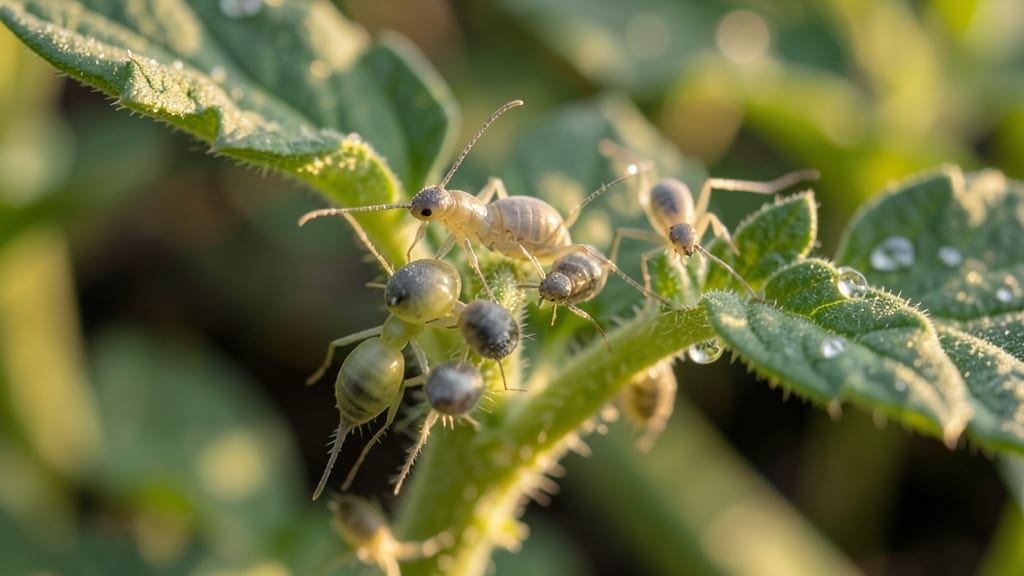
Those tiny bugs on your tomato plants might look scary, but they’re often just nature’s way of keeping things balanced. 🌱 I’ve seen aphids, spider mites, and even beneficial insects like ladybugs turn my tomato leaves into a battleground—and the key is knowing which ones need help and which ones don’t.
The first step is identifying them: aphids cluster on new growth, spider mites leave yellow speckles, and whiteflies flutter when you disturb the plant. Most of these pests won’t kill your tomatoes if caught early, but they can stress the vines and reduce fruit.
The good news? Nature already has solutions—ladybugs, lacewings, and parasitic wasps are waiting to step in if you give them a chance.
You’ll learn how to spot the difference between harmful pests and their natural predators, plus simple organic fixes like neem oil sprays or introducing more beneficial insects. By the end, your tomato plants will be healthy, productive, and thriving—without harsh chemicals.
This works for both backyard gardens and container-grown tomatoes, and the methods are gentle enough for pollinators. Let’s get those vines back to their full potential!
Root Causes Behind Tiny Invaders
When you spot tiny bugs on tomato plants, it’s rarely just bad luck—there’s usually a clear reason why these pests decide your garden is their new home. Understanding the why behind their presence helps you tackle the problem at its source.
Below, we break down the most common triggers, from environmental factors to plant health, so you can address the root cause and keep your tomatoes thriving.
Tomatoes thrive when they have space to breathe, but when plants are crowded or nutrient-deficient, they become weak targets for pests. Here’s how it plays out:
- Poor air circulation: Dense foliage traps moisture, creating a damp, humid microclimate that attracts soft-bodied insects like whiteflies or aphids. These bugs love the sticky, sugary environment.
- Nutrient imbalances: If your soil lacks nitrogen, phosphorus, or potassium, tomato plants struggle to produce strong leaves and stems. Weak plants are more susceptible to thrips or spider mites, which feed on sap.
- Overwatering or underwatering: Both extremes stress plants. Overwatering leads to root rot and fungal issues, while drought weakens vines—either scenario makes them easier prey.
Actionable fix: Prune plants to improve airflow, test soil pH (aim for 6.0–6.8), and water consistently at the base (not overhead). A balanced fertilizer like 10-10-10 can boost resilience.
Some tiny pests, like fungus gnats or aphids, are drawn to plants already compromised by diseases. Here’s the connection:
- Fungal infections (e.g., early blight, powdery mildew): Fungal spores create a film on leaves, which attracts whiteflies and aphids seeking moisture and nutrients.
- Bacterial spots or wilting: Bacteria like Pseudomonas create entry points for pests. For example, thrips may infest plants already weakened by bacterial wilt.
- Honeydew buildup: Some pests (like aphids) excrete sticky honeydew, which fosters sooty mold—a fungal growth that further stresses the plant.
Actionable fix: Rotate crops annually, remove infected leaves immediately, and apply copper fungicide or neem oil preventatively. Healthy soil (rich in compost) strengthens natural defenses.
Pests don’t appear out of nowhere—they’re often the result of a chain reaction. For example:
- Initial infestation: If you ignored an early aphid outbreak, their honeydew attracted ants, which protect aphids in exchange for food. Now you’ve got a full-blown colony.
- Beneficial insect decline: Overuse of broad-spectrum pesticides kills ladybugs or lacewings, which normally keep pests in check. Without predators, tiny bugs multiply unchecked.
- Wind or wildlife transport: Bees, birds, or even garden tools can carry eggs or larvae from nearby infested plants to yours.
Actionable fix: Introduce natural predators like parasitic wasps (for aphids) or predatory mites (for spider mites). Avoid chemical sprays during blooming—opt for insecticidal soap or kaolin clay instead.
Tiny bugs thrive in specific conditions. If your garden matches their ideal habitat, they’ll move in fast:
| Pest | Loves These Conditions | How to Disrupt Them |
|---|---|---|
| Whiteflies | Warmth (75–90°F), high humidity, yellow sticky traps | Use reflective mulch or blue tack traps to confuse them. |
| Thrips | Dry, dusty conditions; new growth | Mist plants lightly in the morning to raise humidity. |
| Spider Mites | Hot, dry weather; low humidity (<30%) | Install a fan for airflow or use horticultural oil. |
Pro tip: 💡 Monitor weather patterns—pests like aphids surge after rain, while thrips peak in drought. Adjust care routines accordingly.
By identifying the real reason behind the infestation, you can stop treating symptoms and start fixing the problem. Next, we’ll explore how to turn these tiny troublemakers into a buffet for their natural enemies—without chemicals!
Natural Ways to Kick Tiny Pests Off
Tiny bugs on tomato plants can feel like an unwelcome invasion, but with the right strategies, you can reclaim your garden without harsh chemicals. The key is to identify the culprit first—whether it’s aphids, spider mites, whiteflies, or thrips—then apply targeted, eco-friendly fixes.
Below, we’ve mapped out practical solutions for each common pest, along with prevention tips to keep your tomato vines thriving.
Fix: These soft-bodied bugs cluster on new growth, leaving sticky residue (honeydew). Here’s how to evict them:
- 💦 Blast Them Away: Use a strong stream of water from your hose to knock them off leaves and stems. Repeat every 2–3 days until gone.
- 🌿 Soapy Spray: Mix 1 tsp mild dish soap (like Castile) with 1 quart water in a spray bottle. Test on a small leaf first, then spray directly on aphids (avoid overspray on flowers). Reapply after rain.
- 🐝 Attract Ladybugs: Plant dill, fennel, or marigolds nearby to lure natural predators like ladybugs, lacewings, and parasitic wasps.
💡 Prevention Tip: Yellow sticky traps can catch aphids early. Hang them near plants to monitor infestations.
Fix: These nearly invisible pests thrive in dry heat, spinning webs on undersides of leaves. Combat them with:
- 🌧️ Increase Humidity: Spider mites hate moisture. Mist plants daily or use a shade cloth to reduce stress.
- 🧼 Oil Spray: Mix 1 tbsp neem oil or horticultural oil with 1 tsp mild soap and 1 quart water. Spray evenly on both leaf sides at dusk (avoids harming bees). Repeat weekly.
- 🍎 Predatory Mites: Release phytoseiulus persimilis (beneficial mites) to hunt spider mites. Available at garden centers.
💡 Prevention Tip: Prune crowded foliage to improve airflow and deter mites. Mulch with straw or grass clippings to retain soil moisture.
Fix: These tiny white moths flutter when disturbed and coat leaves with sticky honeydew. Try these fixes:
- 🕯️ Yellow Sticky Traps: Place yellow cards coated with petroleum jelly near plants to trap adults. Replace weekly.
- 🌿 Neem Oil Spray: Mix 2 tbsp neem oil + 1 tsp soap in 1 gallon water. Spray undersides of leaves (where they hide) every 5–7 days.
- 🌱 Companion Planting: Basil, garlic, or onion repel whiteflies. Interplant them with tomatoes.
💡 Prevention Tip: Reflective mulch (like aluminum foil) confuses whiteflies and reduces egg-laying.
Fix: These tiny, fast-moving bugs cause silver streaks on leaves and transmit viruses. Use these tactics:
- 🧴 Insecticidal Soap: Spray a soapy water solution (1 tsp soap per quart) directly on buds and flowers where thrips hide. Reapply after rain.
- 🌿 Row Covers: Use fine mesh netting over young plants to block adults from laying eggs.
- 🌱 Crop Rotation: Avoid planting tomatoes in the same spot yearly—thrips overwinter in soil.
💡 Prevention Tip: Remove weeds (like purslane) that attract thrips. Diatomaceous earth (food-grade) can be dusted lightly on soil to deter crawling nymphs.
No matter the pest, these universal strategies help: - 🔍 Inspect Regularly: Check leaf undersides and new growth every 2–3 days.
Early action = easier fixes! - 🌿 Boost Plant Health: Healthy tomatoes resist pests better. Fertilize with compost or balanced organic fertilizer (high in potassium). - 🚫 Avoid Overwatering: Water at the base (not leaves) to reduce humidity-loving pests like fungus gnats. - 🌿 Companion Planting: Marigolds, basil, and nasturtiums repel multiple pests naturally.
✨ Pro Tip: Rotate your methods—if one solution stops working, pests may build resistance. Combine physical removal (water/soap) + natural predators + preventive planting for the best results!
With these practical, chemical-free fixes, your tomato plants will bounce back stronger—and you’ll enjoy juicy, pest-free harvests all season. 🍅🌿
Frequently asked questions
How do I tell if tiny bugs on my tomato plants are harmful or beneficial?
Look for key differences: harmful pests like aphids or whiteflies cluster on leaves and leave sticky honeydew, while beneficial insects like ladybugs or lacewings have spotted backs and hunt pests. If you see webbing (spider mites) or chewed leaves (thrips), they’re bad news—but if you spot predators, they’re helping!
Can I use vinegar spray to kill tiny bugs on tomato plants?
Yes, but use it carefully! Mix 1 tbsp white vinegar + 1 tsp dish soap + 1 quart water and spray only the affected areas (avoid flowers). Vinegar disrupts pests’ life cycles but can harm plants if overused. Test on a small leaf first—overapplication may burn foliage.
Why do tiny bugs keep coming back even after I treat them?
Pests often return due to untreated eggs, poor plant health, or reinfestation from nearby plants. Check leaf undersides for hidden eggs, improve airflow by pruning, and introduce natural predators like ladybugs. Rotate treatments (e.g., neem oil one week, soapy water the next) to prevent resistance.
Are there any tiny bugs that actually help my tomato plants?
Ladybugs, lacewings, and parasitic wasps devour aphids and mites. Plant dill, marigolds, or fennel nearby to attract them. Even ground beetles eat cutworms—welcome them with mulch or a small water source!
How often should I check my tomato plants for tiny bugs?
Inspect plants every 2–3 days, especially leaf undersides and new growth. Early detection is key—tiny bugs multiply fast! Focus on morning checks when pests are sluggish and easier to spot. Use a hand lens if needed.