
Companion Plants
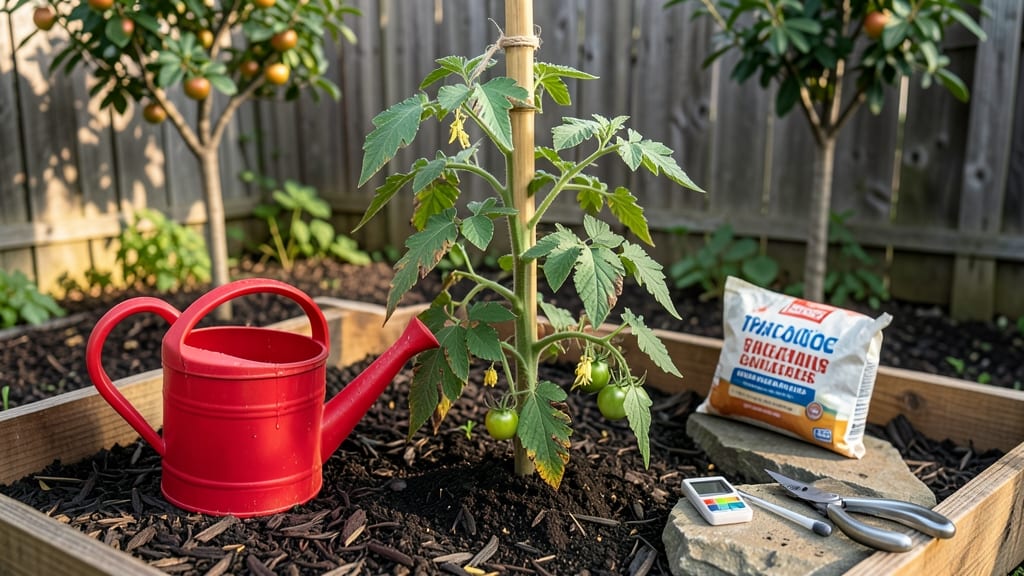
Tomato plant leaves with brown edges? That crunchy, crispy look is your plant screaming for help—calcium deficiency is the most likely culprit, and it’s easier to fix than you think. 🌱 I’ve seen this happen after heavy rain, over-fertilizing, or even just soil that’s too cold to absorb nutrients.
The good news? You can turn those sad leaves around in days with just three simple adjustments.
The first step is checking your soil’s pH—tomatoes need it between 6.0 and 6.8 to soak up calcium properly. If it’s off, a sprinkle of crushed eggshells or gypsum (not lime!) works like magic.
Pair that with even watering—no more letting the soil dry out completely between drinks, or drowning roots in soggy soil. Your plants will drink up the calcium they’ve been missing.
Within 5-7 days, you’ll see new growth with smooth, green edges. The key is consistency: keep the soil moist but not soggy, and add a low-calcium fertilizer (like 10-10-10) every 2 weeks to prevent it from happening again.
No more crispy edges—just lush, productive plants that keep bearing fruit all season.
Works for backyard gardens, containers, or raised beds—just adapt the soil prep to your setup. The same rules apply whether you’re growing heirlooms or cherry tomatoes. Let’s get those leaves looking happy again!
Root Causes Behind Brown Leaf Edges
When your tomato plant’s leaves start showing crispy, brown edges, it’s often a cry for help—usually tied to environmental stress or nutrient imbalances. Understanding the why behind this symptom is the first step to saving your plants.
Below, we break down the most common culprits, backed by science, so you can diagnose and act fast.
Tomatoes thrive in well-draining soil, but soggy roots can trigger brown edges due to oxygen deprivation and fungal infections. Here’s how it happens:
- Root suffocation: Excess water displaces oxygen in the soil, weakening roots and causing nutrient uptake failure, especially calcium.
- Salt buildup: Overwatering flushes nutrients but leaves behind sodium and chlorine, which burn leaf edges.
- Fungal diseases: Wet leaves create a breeding ground for early blight or septoria leaf spot, which manifest as brown, crispy patches.
💡 Pro Tip: Test your soil’s moisture by sticking a finger 2 inches deep—if it’s damp, hold off on watering. Use pots with drainage holes and amend heavy clay soil with perlite or compost.
Tomatoes love sunlight, but intense heat or direct midday sun can scorch leaves, causing brown, papery edges—especially on older foliage. The science:
- Transpiration imbalance: High temps increase water loss faster than roots can absorb it, leading to edge desiccation.
- UV damage: Prolonged exposure to UV radiation breaks down cell membranes, causing oxidative stress.
- Water stress: Even well-watered plants may struggle if roots can’t keep up with evaporative demand.
🌡️ Fix It: Provide afternoon shade (especially in zones 8+) with shade cloth or mulch heavily to retain soil moisture. Avoid overhead watering during peak sun.
While blossom end rot affects fruit, calcium shortages can also cause interveinal browning on leaves—especially younger ones. Why?
- Cell wall weakness: Calcium stabilizes cell membranes; without it, edges collapse and dry out.
- pH lockout: Soil pH >7.0 makes calcium unavailable, even if it’s present.
- Competition: High nitrogen or potassium levels outcompete calcium for uptake.
📊 Quick Test: Prick a leaf with a needle—if the edges crumble instead of tearing, it’s likely calcium-related.
✨ Solution: Apply crushed eggshells, gypsum, or a calcium nitrate spray (1 tsp/gallon). Keep soil pH between 6.0–6.8.
Brown edges aren’t always nutrient-related—pests and diseases can munch or infect leaves, leaving behind crispy remnants. Common offenders:
| Culprit | How It Attacks | Tell-Tale Signs |
|---|---|---|
| Spider mites | Pierce cells, causing plasma leakage and browning. | Fine webbing, stippled yellowing before browning. |
| Early blight (Alternaria solani) | Fungal spores clog stomata, blocking gas exchange. | Concentric brown rings on lower leaves. |
| Aphids | Sap-sucking weakens leaves, making them susceptible to burn. | Sticky residue (honeydew), curled edges. |
🔥 Act Now: Isolate infected plants, spray with neem oil (for pests) or copper fungicide (for blight), and remove heavily damaged leaves.
Most brown-edge issues stem from water, nutrients, or biology. Start with a soil test or leaf inspection to pinpoint the exact cause—your tomatoes’ recovery depends on it!
Quick fixes for crispy tomato leaves
If your tomato plants are showing brown, crispy edges on their leaves, don’t panic—this is often a sign of calcium deficiency (also called "blossom end rot" in fruits) or environmental stress. The good news?
With a few targeted fixes, you can nurse your plants back to health and prevent future damage. Below are practical, step-by-step solutions tailored to the most common causes, plus tips to keep your tomatoes thriving.
Calcium is essential for cell wall strength, and a deficiency causes those telltale brown, leathery edges. Here’s how to give your plants a quick calcium boost:
🍳 Add Calcium-Rich Amendments to Soil
Mix one of these into the soil around your tomato plants (but avoid direct contact with leaves to prevent burns):
- Crushed eggshells – Bake and grind eggshells into a fine powder, then sprinkle 1–2 tablespoons per plant. Pro tip: 💡 Soak them in water for 24 hours first to speed up absorption.
- Calcium nitrate or gypsum – Use 1–2 tablespoons per plant, worked into the top 2 inches of soil. Gypsum (calcium sulfate) is especially great for sandy soils.
- Lime (sparingly!) – Only use if your soil is acidic (pH < 6.0). Add 1–2 tablespoons of pelletized lime per plant, but test soil pH first to avoid overcorrecting.
👨🍳 Foliar Spray for Immediate Uptake
Plants absorb calcium through leaves too! Mix 1 tablespoon of calcium chloride or calcium nitrate in 1 gallon of water, then spray the undersides of leaves (where stomata are most active) in the early morning or evening. Reapply every 5–7 days until new growth appears healthy.
Inconsistent watering is a top culprit for brown edges. Tomatoes hate dry-wet cycles—here’s how to water like a pro:
⏰ Water Deeply and Consistently
Use the "drip irrigation or soaker hose method" to deliver water slowly at the base of the plant. Aim for:
- 1–2 inches of water per week (more in extreme heat).
- Water in the morning (before 10 AM) to reduce evaporation and fungal risks.
- Avoid wetting leaves to prevent diseases like early blight.
🌡️ Mulch to Retain Moisture
Spread 2–3 inches of organic mulch (straw, grass clippings, or wood chips) around plants (but not touching stems). This keeps roots cool and hydrated, reducing stress-induced browning.
Heat, wind, or poor airflow can scorch leaves. Adjust these factors to protect your plants:
🌬️ Shield from Harsh Conditions
If your garden is exposed to:
- Hot afternoon sun – Use shade cloth (30–50%) during peak hours (12–4 PM).
- Strong winds – Plant near a windbreak (like a fence or tall plants) or stake tomatoes securely.
- Cold drafts – Move potted tomatoes indoors or cover them with a frost blanket if night temps drop below 50°F.
🌿 Improve Air Circulation
Brown edges can also signal poor airflow, which traps humidity and encourages disease. Space plants 18–24 inches apart and prune lower leaves to allow air to flow through the canopy.
Once your tomato leaves perk up, keep them happy with these proactive habits:
- Test your soil every 2–3 years. Ideal pH for tomatoes: 6.0–6.8. Use a DIY kit or send a sample to your local extension office.
- Fertilize smartly – Use a balanced fertilizer (10-10-10 or 5-5-5) every 3–4 weeks, but avoid high-nitrogen feeds (like lawn fertilizer), which worsen calcium uptake.
- Companion plants help! – Grow basil, marigolds, or borage nearby to improve soil health and deter pests.
- Harvest regularly – Overripe tomatoes stress the plant. Pick them when firm but just starting to soften.
With these fixes, your tomato plants should bounce back in 1–2 weeks, and new leaves will emerge strong and green. 🍅✨ Happy gardening!
Frequently asked questions
Why do my tomato leaves get brown edges even when I water regularly?
Brown edges often signal more than just thirst—it could be calcium deficiency or salt buildup from overwatering. Tomatoes need consistent moisture, but soggy soil blocks calcium uptake. Try a foliar spray with calcium nitrate (1 tsp/gallon) and check if your soil drains well. If it's compacted, add perlite or compost to improve aeration.
Can I use coffee grounds to fix brown edges on tomato leaves?
Coffee grounds can actually worsen the problem! They lower soil pH too much, making calcium even harder for roots to absorb. Instead, use crushed eggshells or gypsum—both add calcium without altering pH. Sprinkle 1 tablespoon per plant into the soil and water lightly to activate it.
How do I tell if brown edges are from pests vs. nutrient issues?
Check for these clues: Pests leave sticky residue (aphids), fine webbing (spider mites), or chewed holes. Nutrient issues cause uniform browning along leaf edges with no visible damage. Hold a leaf up to light—if you see tiny bugs or webbing, spray with neem oil. If edges just look dry/crispy, it's likely calcium or water stress.
Will pruning leaves with brown edges help my tomato plant recover?
Yes! Removing severely damaged leaves helps the plant focus energy on new growth. Snip off edges with clean scissors, but leave healthy tissue. For calcium deficiency, also prune lower leaves to improve airflow and reduce fungal risks. Just don’t prune more than 20% of the plant at once—this can stress it further.
Can I save a tomato plant if all the leaves have brown edges?
It depends! If the new growth is still green, the plant can recover with proper care. Focus on calcium supplements, consistent watering, and shade protection during heatwaves. If all leaves are crispy and new growth is also browning, the plant may be too stressed to save—consider replacing it and using the soil in a different spot next season.