
Plants
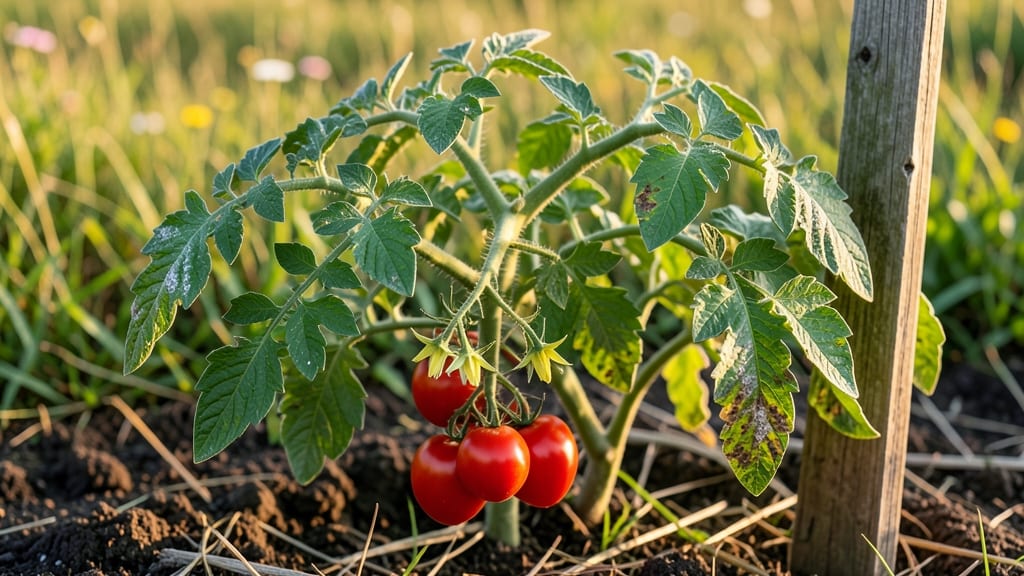
To identify different tomato plant leaves, examine their shape, edges, color, and vein patterns—round, lobed leaves often indicate heirloom types, while serrated edges suggest disease-resistant strains. Yellowing or spotted foliage typically signals pest issues or nutrient deficiencies, so always compare with healthy leaves for early detection.
Tomato leaves aren't just green—they're nature's ID cards for the plant's variety and health. 🌿 Heirloom tomatoes often sport large, deeply lobed leaves, while cherry tomatoes may have smaller, smoother-edged foliage.
The key is to observe these traits alongside the plant's growth habits: beefsteak varieties might showcase broader leaves, while disease-resistant types develop tougher, waxier surfaces. I've found that keeping a visual reference chart helps distinguish between normal variations and early warning signs of trouble.
When leaves start showing problems, the clues are often in the details. Yellowing between veins usually points to nitrogen deficiency, while brown spots with yellow halos often indicate fungal infections like early blight. 🌱 For pests, look for irregular holes (hornworms) or sticky residue (aphids).
The trick is to act fast—catching issues early means healthier plants and better harvests. I always carry a small magnifying glass when inspecting plants, as some symptoms are easier to spot up close.
💡 In This Article
- Tomato Leaf Morphology: Key Traits for Variety Identification
- Common Tomato Leaf Problems: Pests vs. Nutrient Issues
Tomato leaf morphology: key traits for variety identification
Tomato leaves reveal a plant's genetic heritage through their unique shapes and structures. Heirloom varieties like 'Brandywine' or 'Cherokee Purple' often feature large, deeply lobed leaves with jagged edges, sometimes reaching 6-8 inches in length.
These characteristics stem from their wild ancestors (Solanum pimpinellifolium), which evolved broad leaves to maximize photosynthesis in shaded forests. In contrast, modern hybrid tomatoes like 'Sweet 100' cherry types typically have smaller, smoother leaves with 3-5 shallow lobes, reflecting their compact growth habit.
The serration pattern along leaf edges is another telltale trait. Disease-resistant varieties such as 'Mountain Merit' develop pronounced, saw-toothed edges that help channel water away from the leaf surface, reducing fungal infection risks.
Under magnification, you'll notice tiny glandular hairs along the veins of some varieties—these secrete antimicrobial compounds that deter pests. The leaf's hairiness also varies: heirlooms often have fuzzy undersides, while hybrids tend toward smoother surfaces, a trait bred for easier mechanical harvesting.
Color provides additional clues. Healthy tomato leaves should exhibit vibrant green hues, but variegated types like 'Variegated Indigo Rose' display creamy white or yellow patterns along the edges, a result of chlorophyll suppression in certain cells.
Vein patterns also differ: beefsteak varieties often showcase prominent, branching veins that support their larger leaf structures, while determinate types have finer, more parallel venation. These morphological differences aren't just cosmetic—they influence how each plant allocates resources, with beefsteak leaves prioritizing energy for fruit development.
Size matters too when distinguishing varieties. A mature 'Beefsteak' leaf can span 12 inches across, while a 'Tiny Tim' dwarf tomato's foliage rarely exceeds 3 inches.
This size variation correlates with growth habit: indeterminate vining types develop larger leaves to support their climbing structure, whereas bush varieties optimize leaf surface area for compact spaces. The leaf's thickness also provides insights—disease-resistant hybrids often develop thicker cuticles, making them more resilient to environmental stressors.
For gardeners, understanding these traits helps predict plant behavior. Lobed leaves typically indicate vigorous growth but may require more frequent pruning, while smooth-edged varieties often produce fruit faster. The leaf arrangement (alternate vs. opposite) can even distinguish between tomato species and their relatives, like the potato plant's compound leaves.
By studying these morphological features, you're essentially reading the plant's genetic blueprint—each trait a clue about its potential yield, disease resistance, and care requirements.
One practical tip: compare leaves from different plants side by side under natural light. The angle of sunlight accentuates texture differences, while a clear glass of water can help magnify subtle vein patterns.
I've found that photographing leaves against a white background creates a consistent reference for tracking changes over time—especially useful for distinguishing between normal variations and emerging problems.