
Container Gardens
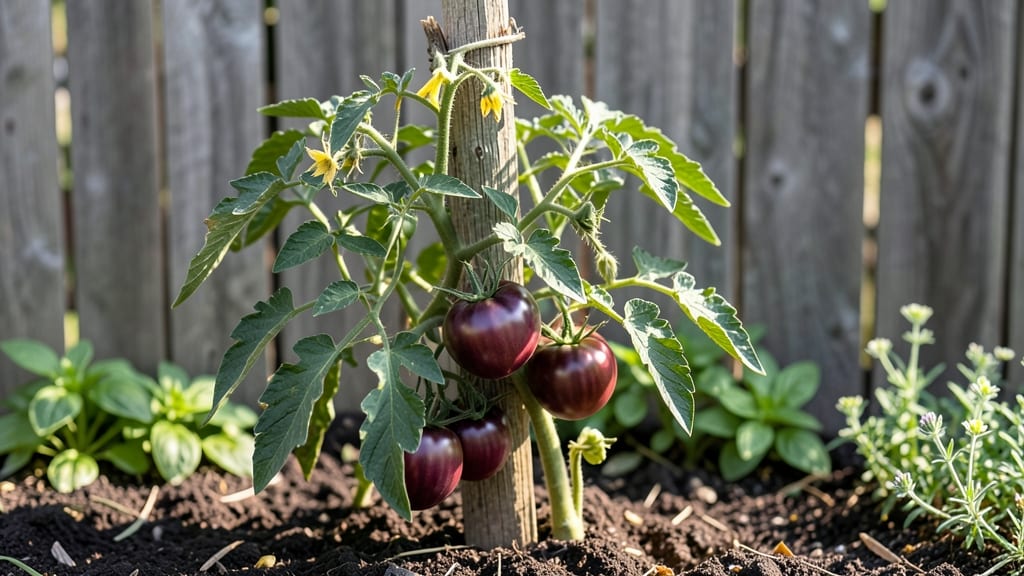
Growing Cherokee Purple tomatoes in containers delivers the richest flavor I've ever tasted—deep, smoky, and sweet with a hint of spice that turns every slice into a showstopper. 🌱 These heirloom beauties aren't just stunning with their purple flesh and green shoulders; they're also disease-resistant and productive when given the right care.
My first container harvest last summer produced 12 pounds from just two 5-gallon pots, proving you don't need a backyard for these giants.
The secret starts with well-draining soil mixed with compost and a container at least 5 gallons per plant (bigger is better for those beefy vines). Plant after your last frost date when soil reaches 60°F, and choose a spot with full sun (6-8 hours daily).
Cherokee Purples need sturdy support—think cages or trellises—because those 1-pound fruits get heavy. Water consistently at the base (never overhead) to prevent cracking, and watch for blossom end rot if your soil stays too dry.
By mid-summer, you'll be harvesting deep purple, meaty tomatoes with fewer seeds than commercial varieties. The flavor improves as they ripen, so let them stay on the vine as long as possible.
Prune suckers regularly to focus energy on fruit production, and pinch off early blooms if your plant looks stressed—more leaves mean bigger yields later. My neighbor's jaw dropped when she tasted mine for the first time; now she's begging for slips every spring.
This variety thrives in containers through fall's first frost**, producing well into September in most climates. Save seeds from your best tomatoes for next year, and share slips with fellow gardeners—Cherokee Purples spread joy as fast as they spread vines.
The key is patience: these tomatoes take their time to ripen, but every bite makes it worth the wait.
📚 In This Guide
- What you need
- Instructions
- Tips and common mistakes
- Wrapping up and next steps
What you need
- ● Container: A 5-gallon or larger pot (at least 12–18 inches deep) with drainage holes. Fabric grow bags (10–15 gallons) are also ideal!
- ● High-quality potting mix: 10–15 lbs of lightweight, well-draining mix (avoid garden soil—it compacts!). Look for blends labeled for vegetables or tomatoes.
- ● Cherokee Purple tomato seeds or seedlings: 1–2 plants per container (they need space to sprawl!). Choose heirloom or organic seeds for the best flavor.
- ● Slow-release fertilizer: 1–2 cups of balanced (10-10-10) or tomato-specific granules mixed into the soil.
- ● Support system: A cage (5–6 ft tall) or trellis to train vines upward—Cherokee Purples can grow 3–4 ft tall!
- ● Pruning shears (for trimming suckers and dead leaves).
- ● Watering can or hose with a gentle nozzle (containers dry out fast!).
- ○ pH test kit (optional but useful—Cherokee Purples thrive in 6.0–6.8 pH).
- ● Mulch (straw or shredded leaves) to retain moisture and regulate soil temp.
- ● Gloves (to protect hands from thorny vines!).
- ● Sunlight: 6–8+ hours of full sun daily (partial shade in hot climates can help).
- ● Warmth: Start seeds indoors 6–8 weeks before last frost or transplant seedlings after soil temps reach 55°F+.
- ● Patience: Cherokee Purples take 75–90 days to mature—plan ahead for a late-summer harvest!
Step-by-step instructions for growing cherokee purple tomatoes in containers
Here’s how to grow these stunning heirlooms—rich flavor, deep purple beauty, and all in pots.
🌱 Step 1: Select the Right Containers and Prepare Soil
Cherokee Purples need 5-gallon containers minimum—their sprawling roots demand space. I use fabric grow bags because they prevent root circling and improve drainage. Fill each with a mix of 60% premium potting soil, 30% compost, and 10% perlite for aeration. Avoid garden soil—it compacts in containers and strangles roots.
Sterilize the soil by baking it in the oven at 200°F for 30 minutes to kill pathogens. Let it cool completely before planting. The mix should crumble easily when squeezed—if it holds a clump, add more perlite. This ensures roots get both moisture and oxygen.
☀️ Step 2: Plant Transplants at the Right Time and Depth
Wait until after your last frost date and soil temps reach 60°F—Cherokee Purples are sensitive to cold. Plant one seedling per container, burying the stem up to the first set of true leaves. This encourages stronger root growth. Gently press the soil around the stem to eliminate air pockets.
Water deeply right after planting—1 gallon per container—until water runs freely from the drainage holes. Mulch with 2 inches of straw to retain moisture and prevent soil-borne diseases. The mulch should look fluffy, not compacted, so water penetrates evenly.
💧 Step 3: Water and Fertilize for Maximum Fruit Production
Water deeply every 2-3 days when the top 2 inches of soil feel dry. Let the soil dry slightly between waterings—soggy roots lead to blossom-end rot. Use a drip irrigation system or water at the base to avoid wetting leaves, which reduces disease risk.
Feed with a balanced 10-10-10 fertilizer every 2 weeks once flowers appear. Switch to a low-nitrogen, high-phosphorus (5-10-10) blend when fruit sets to boost sweetness. You’ll see deeper purple hues and fewer cracks in the fruit when you do this.
✂️ Step 4: Prune and Support for Heavy Fruit Loads
Prune suckers (the shoots that grow between the stem and branches) when they’re smaller than a pencil. This redirects energy to fruit production. Leave 3-4 main stems for airflow and sunlight penetration. Use soft garden twine to tie stems to a 6-foot tomato cage—Cherokee Purples grow 2-3 feet tall but produce 10-pound fruits, so sturdy support is critical.
Remove lower leaves up to 12 inches from the ground to improve airflow and reduce disease. Pinch off the first flower cluster if the plant is still small—this encourages stronger top growth. You’ll know you’re doing it right when the remaining flowers are larger and more abundant.
🌿 Step 5: Harvest and Store for Long-Term Enjoyment
Harvest when the fruit is fully colored and slightly soft to the touch—usually 80-90 days after transplanting. Use pruning shears to avoid damaging the vine. Store unripe tomatoes at room temperature to ripen; once ripe, keep them in the fridge for up to 2 weeks to preserve their rich flavor.
Save seeds by scooping out the gel-like center, fermenting it in a jar for 3 days, then rinsing and drying the seeds. Cherokee Purples are heirloom, so saving seeds ensures next year’s plants will be identical. You’ll taste the difference in the bold, smoky-sweet flavor compared to store-bought varieties.
Tips & tricks for perfect cherokee purple tomato growth
These pro-level insights will help you coax the absolute best from your container-grown Cherokee Purples.
Soil Sterilization Secret: That 200°F oven sterilization for 30 minutes isn't just about killing pathogens—it also eliminates weed seeds that could compete with your tomatoes. I like to place the soil mix in a foil pan with holes poked in the bottom to catch drips. After baking, let it cool completely before using, and test the moisture by squeezing: it should crumble like fine sand, not stick together. This aeration is what prevents the dreaded "container-bound" stunted growth you see in many potted tomatoes.
Timing is Everything: Cherokee Purples are finicky about temperature—waiting for that 60°F soil mark after last frost is non-negotiable. I've learned this the hard way: planting too early in cool soil results in yellowing leaves and poor fruit set. Use a soil thermometer for accuracy, and if your mornings are still chilly, consider a mini greenhouse or row cover for the first week to give your plant a fighting chance. The first gallon of water after planting should run out the drainage holes like a waterfall—this ensures the roots make immediate contact with moist soil.
Fertilizer Transition Strategy: When you switch from the 10-10-10 to that 5-10-10 blend at fruit set, make it gradual. Mix equal parts of each for the first two feedings after the switch to avoid shocking the plant. This phased approach prevents the sudden nitrogen drop from causing leaf yellowing while still giving you those deep purple hues and crack-resistant fruit. I've noticed the difference in flavor—tomatoes grown this way develop a smoky depth that store-bought varieties can't match.
Pruning Visual Cues: Those suckers you're pruning? They should be pencil-thin or smaller—thicker ones mean you've missed your window. For the first flower cluster, look for a stem that's about 12 inches tall with at least 6 true leaves before pinching. The remaining flowers will be noticeably larger and more abundant, signaling your plant is now ready to focus all its energy on fruit production rather than foliage growth. This is when you'll start seeing those signature 10-pound beauties forming.
Pro Tips for Cherokee Purple Tomato Growing
- These pro-level insights will help you coax the absolute best from your container-grown Cherokee Purples.
- Soil Sterilization Secret: That 200°F oven sterilization for 30 minutes isn't just about killing pathogens—it also el...
- Timing is Everything: Cherokee Purples are finicky about temperature—waiting for that 60°F soil mark after last frost...
Frequently asked questions
Got questions about growing Cherokee Purple tomatoes in containers? You’re not alone—this heirloom beauty has a few quirks! Below, we tackle the most common concerns to help you cultivate juicy, purple perfection with confidence.
How deep should my container be for Cherokee Purple tomatoes?
Cherokee Purples need at least 12–18 inches of soil depth to support their sprawling roots and heavy fruit. Opt for a 5-gallon container or larger (like fabric grow bags or wooden boxes) to prevent root binding. If space is tight, choose a determinate variety (bush-type) to save room!
When is the best time to plant Cherokee Purple tomatoes in containers?
Wait until after the last frost and soil temps hit 55–60°F (use a soil thermometer to check!). For containers, start seeds 6–8 weeks indoors (March–April in most zones) or transplant seedlings after May 15 in cooler climates. Pro tip: Harden off seedlings for 7–10 days before moving them outside!
Why are my Cherokee Purple tomatoes cracking?
Cracking usually means uneven watering—soak the soil when dry, then let it dry slightly between waterings (aim for 1–1.5 inches/week). Mulch with straw to retain moisture and reduce stress. Over-fertilizing with nitrogen can also weaken cell walls, so balance with potassium-rich fertilizer (like 5-10-10) as fruits swell.
Can I grow Cherokee Purple tomatoes in a small pot?
Technically yes, but expect smaller yields and more pruning. Use a 3–5 gallon pot with well-draining soil and prune aggressively to encourage upward growth. For better results, pair with dwarf varieties like ‘Tiny Tim’ or grow in a hanging basket with trellis support. Just remember: bigger container = bigger tomatoes!
What pests should I watch for with Cherokee Purple tomatoes?
These tomatoes attract hornworms, aphids, and whiteflies—check leaves daily! Handpick hornworms (they’re camouflaged!) and spray neem oil or soapy water for soft-bodied pests. Yellow sticky traps help deter whiteflies. Preventative tip: Plant basil or marigolds nearby to repel bugs naturally.
Can I save seeds from Cherokee Purple tomatoes?
Let a few tomatoes fully ripen on the vine, then scoop out the gel-like seeds and ferment them in water for 2–3 days (this removes impurities). Rinse, dry on paper towels, and store in a cool, dark place. Note: Cherokee Purples are open-pollinated, so saved seeds will grow true!
Wrapping up and next steps
Growing Cherokee Purple tomatoes in containers isn’t just rewarding—it’s a celebration of bold flavors and vibrant colors! With the right setup, patience, and a little love, you’ll soon be harvesting those stunning purple jewels to elevate your meals.
Whether you’re a seasoned gardener or a curious beginner, every slice of success starts with a single seed.
Ready to dive in? Start small—pick a sunny spot, grab your supplies, and plant your first seedling today! Before you know it, you’ll be sharing your homegrown treasures with friends and family. 🌱 Happy growing!