
Companion Plants
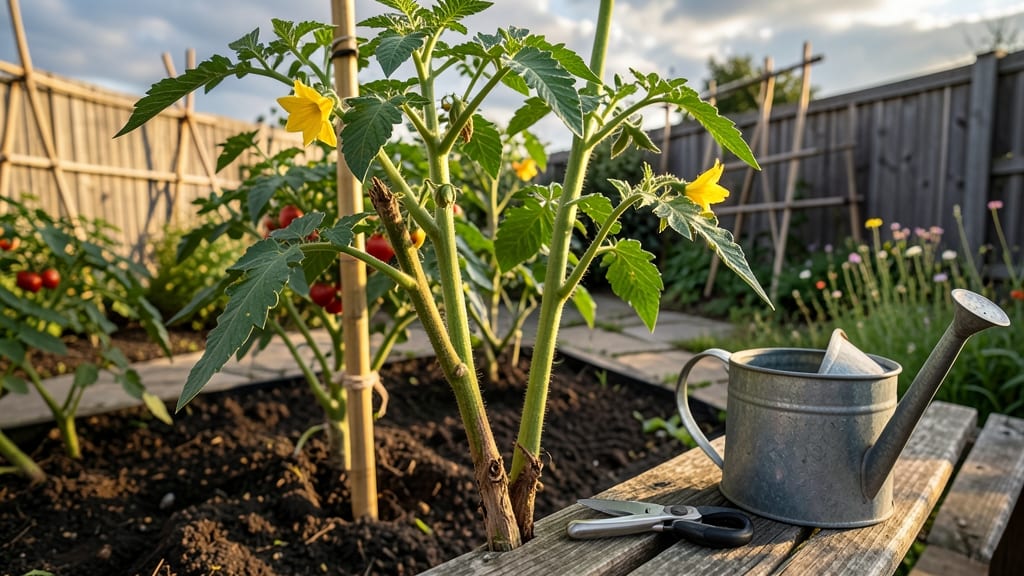
Brown stems on your tomato plants mean trouble—but eggshells might save your harvest. 🌱 I’ve seen this problem ruin entire seasons, but the right approach can turn things around. The issue usually stems from fungal diseases, bacterial infections, or even overwatering, and it’s often worse when plants are stressed.
First, identify the real cause: is it early blight (brown spots with yellow halos), bacterial wilt (sudden wilting), or just overwatering? Eggshells help by balancing calcium and preventing blight, but you’ll also need to prune affected stems and improve airflow.
The key is acting fast—once the fungus spreads, recovery gets harder.
With proper care, your plants can bounce back. Remove infected leaves, apply a mix of eggshell powder and water as a spray, and water at the base—not the leaves—to prevent further spread. Within 2-3 weeks, new growth should appear healthier, and your tomatoes can still thrive.
This works for backyard gardens, containers, or even greenhouse setups. The same principles apply whether you’re dealing with heirlooms or hybrids. Let’s get those plants back on track!
Root Causes Of Stem Discoloration
When your tomato plants develop brown stems, it’s often a cry for help—whether from environmental stress, pests, or hidden diseases. Understanding the why behind the discoloration is the first step to saving your harvest.
Below, we break down the most common culprits, backed by science, so you can diagnose and act fast.
Tomatoes thrive in warmth but hate sudden swings. When stems turn brown due to temperature stress, it’s usually because:
- Cold damage: Temperatures below 50°F (10°C) can cause cellular breakdown in stems, leading to browning. This is especially true for Solanum lycopersicum varieties, which are sensitive to chilling injuries. Frost or nighttime dips are the usual suspects.
- Heat stress: While tomatoes love sun, prolonged exposure above 95°F (35°C) disrupts photosynthesis and nutrient transport. The stems may develop necrotic (dead) brown patches as cells fail to regulate moisture.
- Rapid temperature shifts: Moving plants between hot days and cold nights (or from a greenhouse to outdoors) shocks their vascular system, causing oxidative stress in stem tissues.
💡 Pro Tip: Use row covers for cold snaps or shade cloth during heatwaves. Mulch with straw to stabilize soil temps and reduce stem exposure to extremes.
Brown stems can signal phytoxic conditions—when roots drown and stems suffocate. Here’s how it happens:
- Root rot: Pythium or Phytophthora fungi thrive in waterlogged soil, blocking nutrient uptake. The stems turn brown as the plant’s vascular system collapses from lack of oxygen.
- Salt buildup: Overwatering with tap water (high in chlorides/sulfates) causes osmotic stress, forcing stems to absorb toxic salts. This leads to necrosis (browning) in stem tissues.
- Fungal invasion: Excess moisture creates the perfect breeding ground for Fusarium or Verticillium wilt, which clog xylem vessels, turning stems brown and brittle.
🔥 Fix It:
- Test soil moisture with your finger—water only when the top 1–2 inches are dry.
- Amend heavy clay soil with perlite or compost to improve drainage.
- Use drip irrigation (not overhead watering) to keep stems dry.
Not all brown stems are environmental—some are invaders in disguise. These pests and pathogens directly attack stem tissue:
| Culprit | How It Attacks | Tell-Tale Signs |
|---|---|---|
| Tomato Hornworm 🐛 | Chew through stems, severing vascular bundles and causing brown, jagged wounds. | Frass (green droppings), missing leaves, and wilting upper stems. |
| Fusarium Wilt 🍄 | Fungal spores block xylem vessels, starving stems of water/nutrients, leading to vascular discoloration (brown streaks inside stems). | Yellowing leaves, brown vascular tissue when cut open, and stunted growth. |
| Aphids or Spider Mites 🕷️ | Pierce stems to feed, injecting toxins that cause browning and curling of new growth. | Sticky residue (honeydew), white webbing, and distorted leaves. |
| Bacterial Wilt (Ralstonia) 🦠 | Bacteria multiply in xylem, forming gelatinous plugs that turn stems brown and mushy. | Sudden wilting (even in cool weather), oozing brown fluid from cut stems. |
🎯 Prevention:
- Inspect stems weekly for eggs or chew marks.
- Remove infected plants immediately (don’t compost them!).
- Use neem oil or kaolin clay to deter pests.
Stems don’t just brown from too much water—they also suffer from too little (or too much) of the right nutrients. Here’s the breakdown:
- Calcium deficiency: Brown, corky stems occur when calcium can’t reach new growth due to poor soil pH (below 6.0) or overwatering. Calcium is vital for cell wall integrity—without it, stems weaken and brown.
- Magnesium deficiency: Leads to interveinal chlorosis (yellowing between veins) that progresses to brown, crispy stem tissue. Common in sandy soils.
- Boron toxicity: Excess boron (from fertilizers or contaminated water) causes brown, necrotic spots on stems and leaf edges.
💪 Corrective Actions:
- Test soil pH—aim for 6.0–6.8. Add lime if acidic.
- Apply calcium-rich amendments like crushed eggshells or gypsum.
- Avoid over-fertilizing with boron-heavy products (e.g., some tomato-specific fertilizers).
Each of these causes leaves distinct clues—examine the pattern (e.g., top vs. bottom stems, wilting, texture) to pinpoint the issue. Once you know the why, the how to fix becomes clear. 🍅
How to Fix Brown Stems Fast
Now that you know the likely culprits behind those unsightly brown stems on your tomato plants—whether it’s fungal infections, pests, or environmental stress—it’s time to take action! The good news? Most issues are fixable with simple, garden-friendly solutions.
Below, we’ve mapped out practical fixes for each cause, along with prevention tips to keep your plants thriving. Let’s get your tomatoes back on track!
If brown, mushy, or discolored stems are accompanied by mold, spots, or wilting, a fungal infection like early blight, late blight, or Fusarium wilt may be to blame. Act quickly to prevent the disease from spreading to other plants.
🔥 Step 1: Remove Infected Plant Parts
- 🔪 Snip off any brown, black, or rotting stems and leaves using sterilized pruners (wipe with rubbing alcohol between cuts).
- 🗑️ Dispose of infected debris in the trash—do not compost it, as spores can survive and reinfect.
🍳 Step 2: Apply Fungicidal Sprays
- 🌿 Organic options:
- Copper fungicide (follow label instructions).
- Neem oil spray (1 tsp neem oil + 1 tsp mild soap per quart of water; spray undersides of leaves).
- Baking soda solution (1 tbsp baking soda + 1 quart water + a few drops of soap; spray every 7–10 days).
- 💊 Chemical options (if severe): Use chlorothalonil or maneb for stubborn infections.
👨🍳 Step 3: Improve Air Circulation
- ✂️ Prune nearby foliage to allow airflow around the plant.
- 🌡️ Space plants 18–24 inches apart to reduce humidity buildup.
💡 Prevention Tips for Fungal Diseases
- 🌧️ Water at the base (avoid overhead watering, which spreads spores).
- 🌅 Rotate crops—don’t plant tomatoes in the same spot yearly.
- 🌱 Use resistant varieties like ‘Mountain Merit’ or ‘Defiant PhR’ if fungi are recurrent.
If brown stems are paired with chewed leaves, holes, or webbing, pests like hornworms, aphids, or spider mites are likely the culprits. These critters weaken plants, making them susceptible to secondary infections.
🔥 Step 1: Handpick or Trap Pests
- 🐛 For hornworms: Check leaves at dusk—squish or drop them in soapy water.
- 🕷️ For spider mites: Blast them off with a strong spray of water (they hate humidity!).
- 🍄 For aphids: Spray with soapy water (1 tsp mild soap per quart of water).
🍳 Step 2: Use Natural Repellents
- 🌿 Diatomaceous earth (food-grade only)—sprinkle lightly on soil and leaves (reapply after rain).
- 🌱 Plant companion herbs like basil, marigolds, or dill to deter pests.
- 🍋 Spray citrus or garlic solution (blend 1 garlic clove + 1 tbsp citrus peel in 1 quart water; strain and spray).
👨🍳 Step 3: Introduce Beneficial Insects
- 🐝 Ladybugs (eat aphids), praying mantises (devour caterpillars), or parasitic wasps (control hornworms).
- 🛒 Buy from garden centers or order online.
💡 Prevention Tips for Pest Attacks
- 🌙 Inspect plants regularly—catch pests early!
- 🌿 Mulch with straw to deter crawling insects.
- 🌱 Avoid over-fertilizing with nitrogen (soft, lush plants attract pests).
If stems are dry, brittle, or brown but not mushy or moldy, overheating, underwatering, or sunscald may be the issue. Tomatoes are tough, but extreme conditions can still stress them out.
🔥 Step 1: Adjust Watering Habits
- 💧 Water deeply 1–2 times per week (1–1.5 inches total) rather than daily shallow watering.
- 🌧️ Use drip irrigation to keep stems dry and prevent fungal issues.
- 🌱 Mulch with straw or grass clippings to retain moisture.
🍳 Step 2: Protect from Heat & Sun
- ☀️ Provide shade cloth (30–50% coverage) if temperatures exceed 90°F (32°C).
- 🌿 Train vines upward with stakes or trellises to improve airflow and reduce sun exposure to stems.
- 🌅 Avoid planting tomatoes in full, hot sun without shade in peak afternoon hours.
👨🍳 Step 3: Boost Soil Health
- 🌱 Add compost or aged manure to improve moisture retention.
- 💧 Test soil pH (aim for 6.0–6.8)—acidic or alkaline soil stresses plants.
- ☘️ Use a balanced fertilizer (like 10-10-10) if leaves look pale or yellow.
💡 Prevention Tips for Environmental Stress
- 🌱 Choose heat-tolerant varieties like ‘Heatmaster’ or ‘Solar Fire’ for hot climates.
- 🌡️ Monitor weather forecasts—cover plants if frost or extreme heat is predicted.
- 💧 Water in the early morning to reduce evaporation.
If more than 50% of the plant is brown, wilting, or rotting, it may be beyond saving.
However, you can still salvage the remaining healthy parts: - 🌱 Cut back to healthy green growth (sterilize tools first!). - 🌿 Repot or replant using fresh, sterile soil. - 🍅 Harvest any ripe tomatoes before the disease spreads further.
Final Pro Tip: 🌟 Keep a garden journal** to track what works (and what doesn’t) for your specific climate and soil. Over time, you’ll become a tomato-saving pro! 🍅✨
Frequently asked questions
Why do tomato stems turn brown near the base but stay green at the top?
This is often a sign of root rot or Verticillium wilt. The fungus or bacteria blocks water flow from the roots, causing the lower stems to brown first while the top stays green temporarily. Check soil moisture—if it's soggy, you're likely dealing with overwatering or poor drainage.
Can I still save my tomato plant if half the stem is brown and mushy?
It depends! If the browning is from bacterial wilt or Fusarium, the plant is likely beyond saving. But for environmental stress (like heat or drought), prune back to healthy green growth, improve watering habits, and provide shade. Harvest any ripe tomatoes first—they won't be affected.
How often should I spray neem oil to prevent brown stems?
Apply neem oil every 7–10 days during growing season (spring to fall) for fungal/bacterial prevention. Mix 1 teaspoon neem oil + 1 teaspoon mild soap per quart of water. Avoid spraying when flowers are open—it can harm pollinators.
Will crushed eggshells really help with brown stems caused by calcium deficiency?
Yes! Eggshells provide calcium carbonate, which prevents blossom end rot and strengthens stems. Crush 1 cup of dried eggshells, bake at 200°F for 10 minutes to kill bacteria, then grind into powder. Sprinkle around plants or mix into soil.
Why do my tomato stems turn brown when it's hot, but not cold?
Heat stress above 95°F (35°C) causes sunscald or oxidative stress in stems, making them dry and brittle. Cold damage (below 50°F/10°C) usually affects leaves first. Provide afternoon shade during heatwaves and use mulch to regulate soil temperature.