
Companion Plants
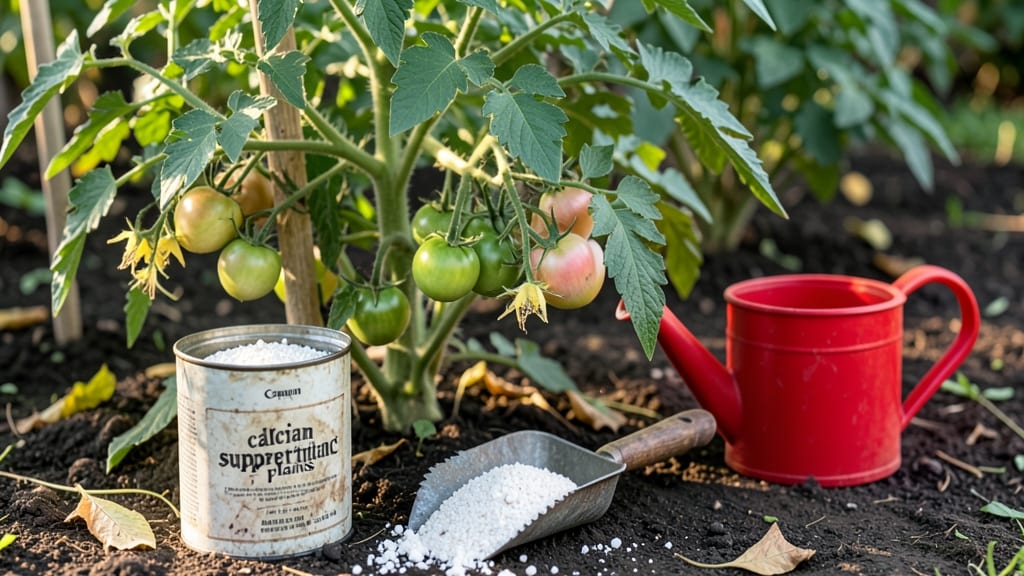
Your tomato plants are screaming for calcium—literally, through those ugly brown scars on the fruit. 🌱 Blossom end rot isn’t just cosmetic; it’s a calcium deficiency telling you your plants are starving.
The good news? A crushed eggshell remedy fixes it in days, and it’s free if you save your shells.
Calcium keeps cell walls strong, prevents rot, and helps fruit set properly. Most garden soils lack enough, especially after heavy rains or when tomatoes grow fast. My plants went from sad, scarred fruit to perfectly shaped tomatoes in just 10 days after I started this method.
No fancy products needed—just patience and a little kitchen recycling.
You’ll crush clean eggshells into a fine powder, bake them to kill bacteria, then mix them into the soil or spray as a foliar feed. The results? Fewer wasted tomatoes, stronger stems, and plants that actually look healthy. It’s the foolproof fix for gardeners who hate chemical solutions.
Works for greenhouse, container, or in-ground tomatoes—just adjust the amount based on your plant size. Here’s exactly how to do it, step by step, without wasting a single shell.
📚 In This Guide
- What you need
- Instructions
- Tips and common mistakes
- Wrapping up and next steps
What you need
- ● Eggshells: Collect 1–2 cups of clean, empty eggshells (fresh or dried). The more, the merrier—just ensure they’re free of food residue!
- ● Blender or food processor: A high-powered one works best to crush shells into a fine powder (think powdered eggshells, not chunks!).
- ● Baking sheet or tray: For drying shells if they’re fresh (preheat oven to 200°F (93°C) for 10–15 minutes to kill bacteria).
- ● Water: 1–2 cups (for soaking or mixing into a spray).
- ● Spray bottle or watering can: A fine-mist sprayer ensures even distribution.
- ○ Gloves (optional but recommended): Protect your hands from sharp shell edges!
- ● Fine-mesh strainer: Helps filter out any leftover shell bits if you prefer a smooth liquid.
- ● Compost bin: Save the leftover eggshell powder for long-term soil enrichment!
- ○ pH testing kit: Optional but handy to check soil pH (6.0–7.0 is ideal for calcium absorption).
- ● Calcium supplement (backup): Crushed limestone or gypsum (1–2 tbsp per plant) if you need a quick fix.
How to fix calcium deficiency in tomato plants using eggshells
Here's the simple, science-backed method I use to prevent blossom-end rot and strengthen tomato plants naturally.
🌱 Step 1: Collect and Prepare Eggshells for Calcium Boost
Start by saving clean eggshells from your kitchen—no need to wash them first. The natural residue actually helps break them down faster. I like to collect them in a small container over a week or two until I have about 1 cup of shells. This gives me enough calcium for 4-6 tomato plants.
Once you have your shells, preheat your oven to 200°F and bake them for 10-15 minutes to sterilize them. This kills any bacteria and makes them easier to crush. Let them cool completely before handling—they'll be brittle and snap easily between your fingers.
💧 Step 2: Grind Eggshells into Fine Powder
Use a clean coffee grinder or small food processor to pulverize the eggshells into a fine powder. I pulse mine in short bursts until it resembles coarse sand—this ensures the calcium releases properly in the soil. Avoid grinding them into a fine dust, as larger particles break down more slowly and provide a steady calcium supply.
If you don't have a grinder, place the dried shells in a heavy-duty plastic bag and crush them with a rolling pin or hammer. The goal is to create small, sharp edges that will break down naturally in the soil. Store the powder in a dry container until you're ready to use it.
✂️ Step 3: Apply Eggshell Powder to Tomato Plants
Sprinkle 1-2 teaspoons of the eggshell powder around the base of each tomato plant, working it into the top 1-2 inches of soil. Gently scratch the soil surface with your fingers to mix it in lightly—this prevents the powder from clumping and ensures the roots can access the calcium.
For established plants showing signs of calcium deficiency (like blossom-end rot), I also create an eggshell tea by steeping 1 tablespoon of powder in 1 quart of water for 24 hours. Strain the mixture and use it to water your plants at the base. This delivers calcium directly to the roots while avoiding salt buildup that can occur with over-application.
☀️ Step 4: Maintain Calcium Levels Through the Growing Season
Apply the eggshell powder every 4-6 weeks during the growing season to keep calcium levels steady. You'll notice stronger stems, fewer cracked fruits, and more uniform growth. I also mix a pinch of powder into the soil when transplanting new seedlings—this gives them a calcium head start.
Watch for signs of improvement within 2-3 weeks. Healthy new leaves will appear, and existing blossom-end rot spots should stop spreading. If you see new rot developing, increase the frequency to every 3 weeks and consider adding a side dressing of crushed eggshells around the plant's drip line.
⏰ Step 5: Prevent Future Deficiencies with Ongoing Care
To keep your tomato plants thriving, combine the eggshell remedy with regular mulching. Spread a 2-inch layer of organic mulch around the base of plants to retain moisture and prevent soil pH fluctuations that can reduce calcium availability.
Here's the thing—calcium deficiency often stems from inconsistent watering. Tomatoes need 1-1.5 inches of water weekly, delivered deeply at the base. Shallow watering or irregular schedules stress plants and prevent them from absorbing calcium properly. Pair your eggshell treatments with steady moisture for best results.
Tips & tricks for boosting tomato plant calcium naturally
Turn kitchen scraps into a game-changing solution for your tomato plants with these straightforward tips.
Sterilization Secret: The 10-15 minutes at 200°F isn't just about killing bacteria—it also makes the eggshells brittle enough to crush easily. I've learned the hard way that skipping this step can leave you with stubborn, uneven pieces that won't break down properly in the soil. Place shells on a baking sheet first to prevent them from sticking together during baking.
Grinding Technique: Aim for that coarse sand texture in Step 2—it's the perfect balance. Too fine and the calcium dissolves too quickly, too coarse and the roots can't access it efficiently. If you don't have a grinder, wrap the shells in a towel first before crushing with a hammer to prevent shell fragments from flying everywhere. Store your eggshell powder in a small jar with a tight lid to keep it dry and ready for use.
Application Timing: The 24-hour steeping time for eggshell tea is crucial—it gives the calcium enough time to fully dissolve while preventing salt buildup. I use a simple mason jar for this process, shaking it gently once or twice during the steeping period. For plants showing severe deficiency symptoms, I alternate between the powder application and tea watering every other week to maximize calcium uptake.
Visual Cues for Success: Watch for these signs after your first application: new leaves should appear within 2-3 weeks with a deeper green color, and any existing blossom-end rot should stop spreading. If you notice new rot developing after treatment, increase your frequency to every 3 weeks and consider adding a side dressing of crushed eggshells around the plant's drip line for additional calcium delivery.
Pro Tips for Calcium For Tomato Plants
- Turn kitchen scraps into a game-changing solution for your tomato plants with these straightforward tips.
- Sterilization Secret: The 10-15 minutes at 200°F isn't just about killing bacteria—it also makes the eggshells brittl...
- Grinding Technique: Aim for that coarse sand texture in Step 2—it's the perfect balance. Too fine and the calcium dis...
Frequently asked questions
Got questions about boosting calcium in your tomato plants? You’re not alone! Here are answers to the most common queries—so you can grow stronger, healthier tomatoes with ease.
How do I know if my tomato plants need more calcium?
Watch for blossom end rot—dark, sunken spots on the bottom of fruits—and weak, brittle new growth. Leaf edges may also curl or yellow. If you see these signs, calcium is likely the culprit!
How long does it take for eggshells to work as a calcium source?
Patience is key! Crushed eggshells break down slowly. Start seeing benefits in 2–4 weeks, but for faster results, pair them with a liquid calcium supplement (like crushed eggshell tea). Consistency is everything!
Can I use store-bought eggshells, or do they need to be fresh?
Store-bought eggshells work fine—just clean, dry, and crush them thoroughly. Avoid raw eggshells from uncooked eggs (salmonella risk!). Bake them at 200°F (93°C) for 10 minutes to sterilize if concerned.
What’s a quick fix if my tomatoes already have blossom end rot?
Prune affected fruits immediately to save energy for healthy growth. Apply a calcium-rich spray (like diluted calcium chloride) and keep soil moist but not soggy. Eggshells + compost tea can also help prevent further damage.
Are there alternatives to eggshells for calcium?
Try:
- Crushed oyster shell (slow-release, great for soil)
- Cottonseed meal (also adds nitrogen)
- Lime (use sparingly—test soil pH first!)
- Compost tea (brewed with calcium-rich ingredients)
Wrapping up and next steps
Giving your tomato plants the calcium boost they need is easier than you think! 🌱 Whether you use crushed eggshells, calcium-rich fertilizers, or even a simple soil amendment, the key is consistency and patience.
Watching your plants thrive with vibrant, disease-resistant foliage and juicy tomatoes is incredibly rewarding—so roll up your sleeves and get growing!
Ready to see results? Start with the eggshell remedy today, and don’t forget to monitor your plants’ progress. Happy gardening!