
Companion Plants
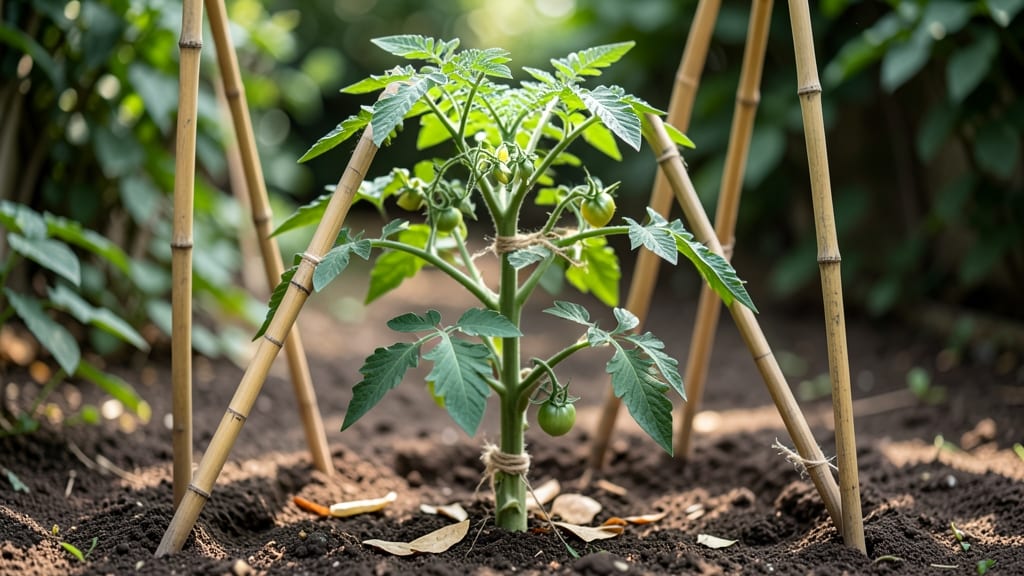
Using bamboo sticks for tomato plants is one of the simplest ways to keep your 🍅 vines strong and productive all season long.
Tired of flopping tomato vines ruining your harvest? Bamboo sticks are the gardener’s secret weapon for supporting strong, upright plants—without breaking the bank or complicating your routine.
They’re lightweight, easy to find, and far more affordable than metal cages or plastic trellises. Plus, they improve airflow around your plants, which helps prevent diseases like blight and keeps your 🍅 fruits cleaner and healthier.
In this guide, I’ll walk you through everything you need to know—from when to install them to how to tie your vines securely, so you can enjoy a bountiful harvest without the hassle.
How to Choose the right bamboo sticks for tomato plants
Selecting the right bamboo sticks for your tomato plants makes all the difference between a thriving vine and a floppy mess. Not all sticks are created equal—length, thickness, and material quality directly impact how well your plants grow and produce.
For indeterminate varieties like 'Sungold' or 'Brandywine', you’ll need taller, sturdier support, while determinate types like 'Roma' or 'Celebrity' can get by with shorter sticks. Let’s break down the key factors to help you pick the perfect support for your garden.
First, consider the height of your tomato plants. Indeterminate varieties can reach 6-10 feet tall, so you’ll need bamboo sticks that are at least 5-6 feet long to accommodate their growth. Determinate varieties, which typically max out around 3-4 feet, only require 3-4 foot sticks.
Using sticks that are too short forces vines to sprawl, increasing the risk of disease and fruit rot from poor airflow. Measure your garden space and plant variety before purchasing to avoid last-minute regrets.
Next, focus on stick thickness. Thinner sticks (under ½ inch) may bend or break under the weight of heavy fruit or wind. Opt for ¾ to 1-inch diameter sticks for indeterminate tomatoes, as they provide the stability needed for long vines.
For determinate tomatoes, ½ to ¾ inch sticks work well. Thicker sticks also offer better leverage when tying vines, making the process easier and more secure. If you’re growing in windy conditions, thicker sticks are a must to prevent snapping.
Durability is another critical factor, especially if you’re reusing sticks year after year. Look for hardwood bamboo, which is denser and less likely to splinter or rot compared to softwood varieties. Avoid sticks that feel spongy or have visible cracks, as they won’t hold up under pressure. Soaking new bamboo sticks in water for 24 hours before use helps prevent them from splitting as they absorb moisture from the soil. This small step can save you from mid-season failures.
Now, let’s talk eco-friendly options. Many gardeners prefer bamboo because it’s a sustainable resource that grows quickly and requires minimal processing. If you’re sourcing locally, check for FSC-certified bamboo to ensure it’s harvested responsibly.
Alternatively, repurpose old bamboo sticks from previous years by cleaning and disinfecting them with a 10% bleach solution before reuse. This reduces waste and keeps costs low over time. Just avoid sticks that show signs of mold or pest damage, as these can harbor diseases that affect your tomatoes.
Don’t overlook the importance of spacing between sticks. For indeterminate tomatoes, place 2-3 sticks per plant, spacing them evenly around the base to create a natural trellis effect. This distributes weight and reduces the risk of the plant toppling over.
For determinate varieties, 1-2 sticks are usually sufficient, but position them at a slight angle to support the plant’s natural bushier growth habit. If you’re growing tomatoes in containers, use 3 sticks per plant to provide full support, as potted plants often need extra stability.
Another pro move? Pre-drill holes at the top of your bamboo sticks before planting. This allows you to easily attach soft plant ties or velcro strips to secure vines without damaging the stick or the plant.
I like to use jute twine or plastic plant ties because they’re gentle on stems and adjust as the plant grows. Avoid wire or tight knots, which can girdle the vine and restrict nutrient flow.
Loosen ties every few weeks to prevent them from cutting into the stem as the plant thick
Step-by-step guide: staking tomato plants with bamboo sticks
Staking your tomato plants with bamboo sticks is one of the simplest ways to ensure strong, upright growth and a bountiful harvest. Unlike flimsy cages or expensive trellises, bamboo offers durable support that’s easy to install and adjust as your plants grow.
The key is timing, placement, and gentle securing—avoiding damage to those delicate vines.
I’ve learned through years of gardening that proper staking isn’t just about propping up plants—it’s about improving airflow, reducing disease risk, and making harvesting easier. Bamboo sticks are my go-to because they’re lightweight, biodegradable, and strong enough to handle indeterminate varieties that can grow 6+ feet tall.
Let’s get your tomatoes growing vertically the right way.
🌱 Step-by-Step Staking Guide
- 1 Choose the right sticks: Select 3-4 foot bamboo stakes (longer for indeterminate varieties). Look for 1-inch diameter sticks—they’re sturdy but lightweight. Soak them in water for 30 minutes before inserting to prevent soil shock.
- 2 Install stakes early: Place 1-2 stakes per plant when seedlings are 6-8 inches tall. Insert stakes 2 inches deep into the soil, about 3-4 inches from the stem to avoid root damage. For heavy varieties, use two stakes on opposite sides.
- 3 Secure vines gently: Use soft plant ties (not wire!) to loosely attach the main stem to the stake. Tie at the first true leaves and again every 6-12 inches as the plant grows. Never tie too tightly—1 finger’s space between tie and stem is ideal.
- 4 Maintain support weekly: Check ties every 7-10 days and loosen if the stem thickens. Remove suckers (side shoots) to focus energy on upward growth. For windy areas, add a second tie at the top of the stake.
-
5
Avoid these mistakes:
- ❌ Burying stakes too deep (can rot stems)
- ❌ Using wire ties (cuts into vines)
- ❌ Waiting until plants are top-heavy (risk of snapping)
One of the biggest mistakes I see is over-tightening ties as plants grow. Remember, the goal is support, not restriction. If you notice the stem turning purple or the leaves wilting near the tie, loosen it immediately.
Also, angle stakes slightly (5-10 degrees) to help plants lean into the wind naturally, reducing breakage during storms.
For heavy-fruiting varieties like ‘Sungold’ or ‘Beefsteak’, consider adding a horizontal bamboo trellis at the top of your stakes. This spreads the weight of the fruit and prevents the plant from toppling. I’ve had my 6-foot indeterminate tomatoes produce over 20 pounds of fruit this way—with zero flopping!
Don’t forget to rotate stakes every few weeks as your plants grow taller. This prevents the stem from growing in a spiral around the support.
A little effort now means healthier plants, better airflow, and easier harvesting—plus, you’ll avoid the heartbreak of snapped stems when those heavy tomatoes ripen. Happy staking! 🌿