
Companion Plants
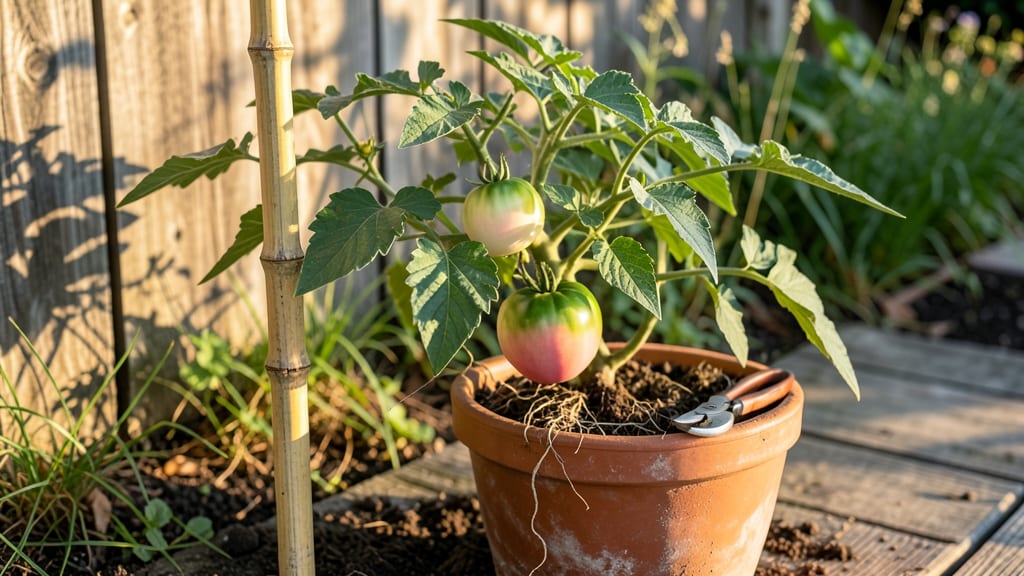
Growing beefsteak tomato plants in pots delivers jewel-toned fruit that rivals backyard gardens—no yard required. 🌱 I’ve grown these heavyweights in containers for five seasons, and the secret isn’t just the pot size (though that matters).
It’s the balance of sturdy support, rich soil, and watering that keeps roots happy without drowning them.
You’ll need a 5-gallon minimum container per plant (7+ gallons for monsters), drainage holes, and a mix of compost, perlite, and a slow-release fertilizer. Place your pots where they’ll get 6-8 hours of sun daily, but protect them from afternoon winds that make vines flop.
Water when the top inch of soil feels dry—overwatering is the #1 killer of container tomatoes.
By midsummer, you’ll be harvesting 1-pound beefsteaks that taste sweeter than store-bought. The key is pruning suckers early and caging the plants before they get top-heavy. Even in small spaces, these vines produce like they’re in the ground.
Pro tip: Add a handful of worm castings at planting time for extra nutrients, and rotate pots every few weeks to prevent root circling. With these adjustments, your container beefsteaks will outperform neighbors’ in-ground plants every time.
📚 In This Guide
- What you need
- Instructions
- Tips and common mistakes
- Wrapping up and next steps
What you need
- ● Container: A 5-gallon pot or larger (minimum 18" deep and wide) with drainage holes. Pro tip: 💡 Opt for lightweight materials like fabric grow bags or plastic to avoid strain on your back!
- ● High-quality potting mix: A moisture-retentive, well-draining blend (e.g., 60% potting soil + 30% compost + 10% perlite/pumice). Avoid garden soil—it compacts and suffocates roots.
- ● Beefsteak tomato plants: 1-2 seedlings or transplants (choose disease-resistant varieties like ‘Brandywine’ or ‘Cherokee Purple’).
- ● Fertilizer: Balanced granular fertilizer (e.g., 10-10-10) for planting.
- ● Slow-release tomato-specific fertilizer (e.g., Osmocote) for ongoing nutrients.
- ● Support system: Cage or stake: A 5-6 ft tall tomato cage or bamboo stakes (2-3 per plant) with soft plant ties.
- ● Watering supplies: Drip irrigation or watering can (aim for 1-2 gallons per watering to avoid shallow roots).
- ● Mulch: Straw or shredded leaves to retain moisture and regulate soil temp.
- ● Mycorrhizal fungi: Adds to potting mix to boost root health.
- ● Fish emulsion or seaweed extract: For a nutrient boost during flowering/fruiting.
- ● Self-watering pot: Reduces maintenance for busy gardeners.
- ● Companion plants: Basil or marigolds (plant in separate pots nearby to deter pests).
- ● Soil moisture meter: Prevents over/under-watering.
Step-by-step instructions for growing beefsteak tomatoes in containers
Here’s how to grow those massive, flavorful beefsteak tomatoes in pots—without the vines toppling over or the fruit cracking.
🪴 Step 1: Choose the Right Pot and Drainage System
Beefsteak tomatoes need at least a 5-gallon container per plant—their roots and fruit demand serious space. I opt for fabric grow bags because they prevent root circling and allow excess water to evaporate through the sides. If using traditional pots, ensure they have multiple drainage holes—tomatoes hate soggy roots.
For extra stability, place a saucer or tray underneath to catch runoff. The goal is to mimic the deep, well-draining soil of an in-ground garden. If your pot is wider than 12 inches, add a sturdy support cage or bamboo stake at planting time—waiting until the plant is established will stress it.
🌱 Step 2: Plant in High-Quality Soil with Supportive Additives
Fill the pot with a sterile potting mix (never garden soil—it compacts and suffocates roots). Amend it with compost or worm castings for nutrients and perlite or vermiculite to improve aeration. I mix in a slow-release fertilizer (like 10-10-10) to feed the plant over the growing season.
Dig a hole twice as wide as the root ball and place the transplant in, ensuring the stem is buried up to the first set of leaves. This encourages stronger root growth. Gently press the soil around the roots to eliminate air pockets, then water deeply until it drains from the bottom holes.
☀️ Step 3: Position for Maximum Sun and Airflow
Beefsteak tomatoes crave full sun—at least 8 hours daily. A south-facing spot is ideal, but if your patio gets afternoon shade, rotate the pot every few days so the plant grows evenly. Avoid cramming pots together; space them 18 inches apart to prevent fungal diseases like blight.
Install a tall tomato cage or sturdy trellis immediately—these vines get 6+ feet tall and can snap under the weight of fruit. Secure the cage to the pot with soft ties (like old T-shirts) to avoid damaging the stem as it grows. Watch for new leaves forming at the top; this is your cue to add a second tie higher up.
💧 Step 4: Water Deeply and Consistently
Water when the top 2 inches of soil feel dry—stick your finger in to check. Beefsteak tomatoes need 1-2 gallons per watering, depending on pot size and heat. Water at the base of the plant in the morning to reduce evaporation and fungal risks. Avoid wetting the leaves, which can trigger diseases like early blight.
Mulch with straw or shredded leaves to retain moisture and keep roots cool. If you notice blossom-end rot (black spots on fruit), it’s a calcium deficiency—switch to calcium-rich water (like a teaspoon of crushed eggshells per gallon) or use a foliar spray. This problem is common in container-grown tomatoes due to inconsistent moisture.
✂️ Step 5: Prune and Harvest for Continuous Production
Pinch off suckers (the small shoots growing between the stem and branches) to direct energy into fruit production. Leave 2-3 main stems per plant—more leads to overcrowding and smaller tomatoes. Prune yellow or diseased leaves immediately to keep the plant healthy.
Harvest beefsteak tomatoes when they’re fully colored and slightly soft to the touch. Use garden shears to avoid damaging the vine. The key to repeat harvests is removing overripe fruit promptly—this encourages the plant to keep producing. Store harvested tomatoes at room temperature (not the fridge) to preserve flavor and texture.
Tips & tricks for thriving beefsteak tomatoes in containers
Here's what nobody tells you about keeping these heavy-fruit producers upright and productive in pots.
Container Size Matters: The 5-gallon minimum isn't just a suggestion—it's non-negotiable for beefsteak tomatoes. I've seen people try 3-gallon pots and end up with stunted plants and cracked fruit. If you're growing multiple plants, space them at least 18 inches apart to prevent competition for nutrients and airflow. For extra insurance, consider using 7-gallon containers—they give roots room to expand without becoming root-bound.
Support System Secret: Install that tall tomato cage or trellis immediately at planting time, not when the plant is already struggling to stand. I like using soft fabric ties (like old T-shirts) because they stretch as the plant grows without damaging the stem. Watch for new leaves forming at the top—this is your cue to add a second tie higher up. The goal is to prevent the plant from toppling over under the weight of those massive beefsteak tomatoes.
Watering Wisdom: The "top 2 inches dry" rule is critical, but don't rely solely on your finger—use a moisture meter for accuracy. Beefsteak tomatoes in containers dry out faster than in-ground plants. I've found that watering at the base in the morning gives roots time to absorb moisture before the heat of the day. And remember, those 1-2 gallons per watering? That's a minimum—your plant may need more on scorching days. Mulching with straw helps retain moisture while keeping roots cool.
Pruning for Productivity: Those suckers between the stem and branches might look harmless, but removing them redirects the plant's energy into fruit production rather than leaf growth. I aim to leave just 2-3 main stems per plant—any more and you'll get overcrowding and smaller tomatoes. Prune yellow or diseased leaves immediately to prevent fungal spores from spreading. The key to continuous harvests is removing overripe fruit promptly—this signals the plant to keep producing.
Pro Tips for Beefsteak Tomato Plants In Pots
- Here's what nobody tells you about keeping these heavy-fruit producers upright and productive in pots.
- Container Size Matters: The 5-gallon minimum isn't just a suggestion—it's non-negotiable for beefsteak tomatoes.
- Support System Secret: Install that tall tomato cage or trellis immediately at planting time, not when the plant is already struggling to stand.
Frequently asked questions
Got questions about growing beefsteak tomato plants in pots? You’re not alone! Here are answers to the most common concerns—from container size to pest control—so you can grow juicy, vine-taming tomatoes with confidence.
What size pot is best for beefsteak tomato plants?
For beefsteak tomatoes, aim for a pot at least 12–18 inches deep and wide. Their deep roots and heavy fruit need space—smaller pots (under 10 inches) will stunt growth and yield. Use fabric grow bags or self-watering containers for better drainage and aeration.
When should I transplant beefsteak tomato seedlings into pots?
Transplant after the last frost and only when seedlings have 4–6 true leaves (about 4–6 weeks after sowing). Harden them off first by placing pots outside for 3–5 hours daily over 7–10 days. Avoid transplanting in direct sun or extreme heat to prevent shock.
Can I grow beefsteak tomatoes in pots without a cage or stake?
Use a tomato trellis, bamboo stakes, or a sturdy wire cage to support vines and prevent sprawling. Without support, beefsteak varieties can topple over under fruit weight. Pro tip: Tie vines gently with soft plant ties or old T-shirts to avoid damaging stems.
How do I prevent pests like aphids or blight in potted beefsteak tomatoes?
Start with sterilized soil and disease-resistant varieties (e.g., ‘Brandywine’ or ‘Cherokee Purple’). For pests:
- Neem oil spray (weekly) deters aphids and whiteflies.
- Remove yellowing leaves (signs of blight) immediately.
- Ensure good airflow by spacing pots 12+ inches apart.
Water at soil level (not overhead) to reduce fungal risks.
What’s the ideal temperature range for potted beefsteak tomatoes?
Beefsteak tomatoes thrive in 70–85°F daytime temps and 60–70°F nights. Avoid below 50°F (growth stalls) or above 90°F (fruit splits). Use shade cloth (30–50%) in peak summer or move pots to partial shade. Cold snaps? Cover plants with frost cloth if temps dip near 32°F.
Can I reuse last year’s potting mix for beefsteak tomatoes?
No—never reuse soil from last year’s tomatoes to avoid soil-borne diseases (like verticillium wilt) and nutrient depletion. Refresh with a sterile mix: 60% potting soil, 20% compost, and 20% perlite or coconut coir. Add a balanced fertilizer (10-10-10) at planting and calcium supplement to prevent blossom-end rot.
Wrapping up and next steps
Growing beefsteak tomato plants in pots is a rewarding way to enjoy heirloom-sized fruit even in small spaces—no yard required! 🌱 With the right container, support, and care, you’ll be harvesting juicy, flavorful tomatoes that rival (or even surpass) garden-grown varieties.
The key? Consistent watering, proper pruning, and companion plants to keep pests at bay.
Now that you’re armed with tips and answers, it’s time to roll up your sleeves and get planting! Start with a healthy seedling or transplant, and soon you’ll be feasting on sun-ripened beefsteaks straight from your patio. Happy growing—and enjoy those homegrown tomatoes! 🍅✨