
Planting
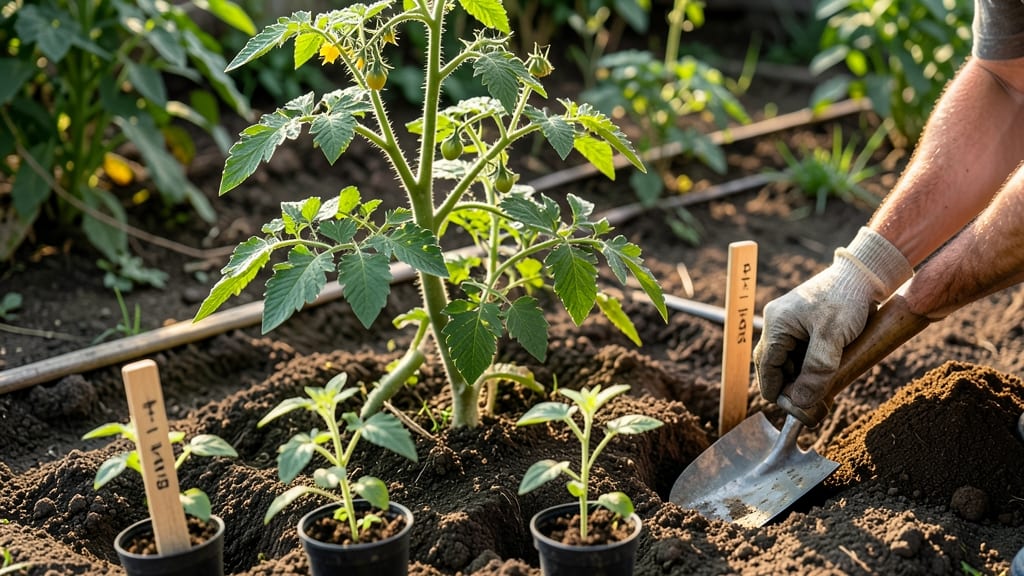
The best time of day to plant tomato plants is early morning when soil is cool and moisture levels are high — a window that makes all the difference between thriving 🍅 and struggling seedlings.
Picture this: you’ve got your seedlings ready, the soil is prepped, and the weather forecast looks perfect. But if you plant in the afternoon heat, those tender roots can bake before they even get a chance to establish. That’s why timing matters more than you might think.
Tomatoes need soil that’s warm enough to encourage root growth but not so hot that it stresses the plants. Early mornings give the soil time to warm naturally, while afternoon planting risks heat shock, especially in USDA Zone 6a or warmer climates.
In this guide, I’ll break down the science behind morning vs. afternoon planting, how to adjust for your local climate, and the simple tricks to give your tomatoes the strongest start—even if you can’t plant at the perfect hour.
Optimal planting times based on soil temperature and sunlight
When planting tomato seedlings, the soil temperature is just as critical as sunlight exposure. Tomatoes thrive when soil reaches 60-70°F (15-21°C), allowing roots to establish quickly. Planting too early in cold soil stresses seedlings, while waiting too long risks heat shock or drought stress.
The ideal planting window balances these factors, typically between 7-9 AM when soil is warm but not yet scorching.
Morning planting gives seedlings a head start by avoiding the midday heat that can dehydrate roots. Afternoon planting, however, risks exposing tender roots to intense sunlight and rapid moisture loss.
In regions with extreme heat, planting in the late afternoon (4-6 PM) can work—but only if followed by immediate watering and shade protection.
To test soil readiness, use a soil thermometer inserted 2-3 inches deep. If the reading is below 60°F (15°C), wait a few days or use black plastic mulch to warm the soil faster.
In cooler climates, this might mean delaying planting until late spring, while warmer zones like USDA Zone 9+ can start as early as February.
Sunlight intensity also shifts throughout the day. Morning sun is gentler, allowing seedlings to acclimate gradually, whereas afternoon sun can cause sunburn on young leaves. If you must plant in the afternoon, choose a partially shaded spot and water deeply afterward to help roots recover.
Here’s how soil temperature and sunlight interact during planting:
| Factor | Morning Planting (7-9 AM) | Afternoon Planting (4-6 PM) | Best Conditions |
|---|---|---|---|
| Soil Temp | 60-70°F (15-21°C) | 55-65°F (13-18°C) or higher | Warm, stable temps |
| Sunlight Intensity | Low-moderate (gentler rays) | High (risk of stress) | Gradual exposure |
| Moisture Retention | High (cooler air = less evaporation) | Low (hot air dries soil faster) | Keep soil moist 24-48 hrs post-planting |
| Root Establishment | Faster (optimal temps) | Slower (heat stress) | Use root stimulator for afternoon plants |
| Best For | All climates (ideal) | Hot/dry regions (with precautions) | Early-season planting |
In humid climates, afternoon planting can lead to fungal diseases like early blight if leaves stay wet overnight. Always avoid planting when rain is forecasted within 24 hours, as soggy soil suffocates roots.
For container-grown tomatoes, morning planting is even more critical since pots heat up faster and dry out quicker.
Pro tip: If your soil is too cold, pre-warm it by covering beds with clear plastic for 3-5 days before planting. This mimics the natural warming effect of morning sun and gives seedlings a better start.
Pair this with a light mulch (straw or grass clippings) to retain moisture and regulate temperature.
Regional adjustments matter too. In desert areas, afternoon planting with shade cloth is safer, while northern climates benefit from morning planting to maximize daylight hours. Always prioritize soil warmth over sun exposure—roots need stability more than light in the early days.
Finally, monitor your seedlings for the first 72 hours post-planting. Wilting leaves or yellowing stems signal transplant shock, often caused by improper timing. Adjust watering and shading as needed to keep plants thriving from day one.
Morning planting vs. afternoon planting: which wins for tomato success?
When planting tomato seedlings, the clock matters just as much as the soil. Morning planting (7-9 AM) gives roots time to establish before the heat peaks, while afternoon planting (4-6 PM) risks stressing delicate roots under intense sunlight.
Let’s break down the trade-offs based on your climate zone to help you decide which timing works best for your garden.
In humid climates, afternoon planting can lead to fungal diseases from prolonged leaf wetness, while dry or desert regions may benefit from afternoon planting to avoid rapid moisture loss.
The key is balancing soil temperature, humidity levels, and sunlight intensity—all of which shift dramatically between morning and afternoon.
Morning Planting (7-9 AM)
- Cooler soil temps reduce transplant shock
- Moisture retention lasts longer
- Lower risk of heat stress on roots
- Ideal for humid climates
- Slower initial growth in cool mornings
- Requires evening watering in dry climates
- Less sunlight exposure early in day
Afternoon Planting (4-6 PM)
- Warmer soil speeds up root establishment
- Better for arid/dry climates
- Less competition from pests (e.g., slugs)
- Higher risk of heat stress on seedlings
- Rapid moisture loss in sunny afternoons
- Increased disease risk in humid areas
For USDA Zones 6-8, morning planting is generally safer, especially if your soil stays cooler. However, in Zone 9+ deserts, afternoon planting can actually help seedlings avoid the brutal midday sun. Always check your soil temperature—it should be at least 60°F (15°C) for optimal root growth.
If you’re planting in humid zones, avoid afternoons entirely—fungal spores thrive in warm, wet conditions. Instead, opt for early morning planting and water at the base to keep foliage dry. For dry climates, afternoon planting can work if you mulch heavily to retain moisture overnight.
Pro tip: If you must plant in the afternoon, shade seedlings with a cloth for the first 24 hours to give roots time to adjust. Pair this with a deep watering before sunset to help them recover. Your tomatoes will thank you with stronger stems and bigger yields!
🌱