
Pests and Diseases
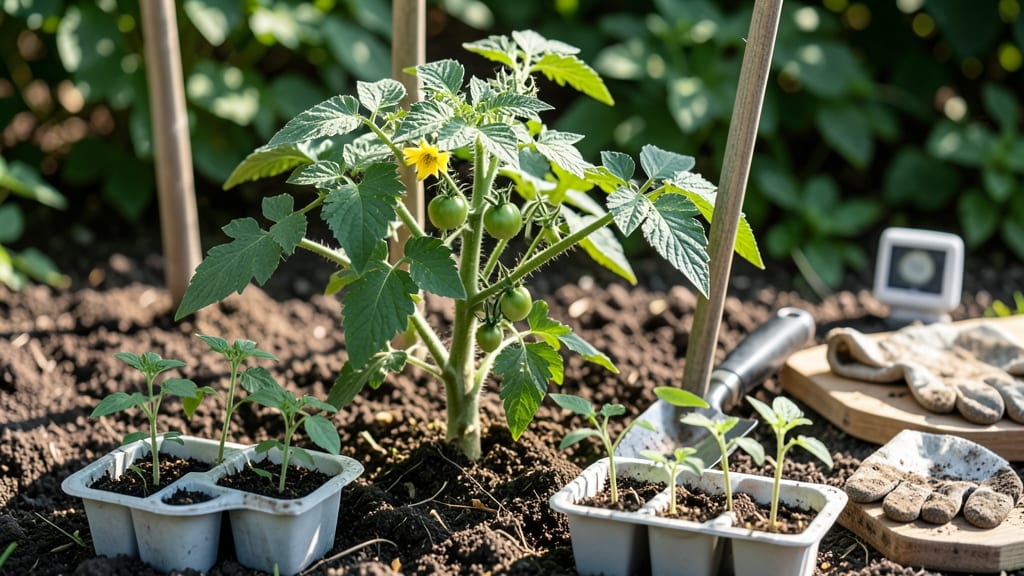
Tomato planting tips mean the difference between a bucket of sauce and a dinner-plate-sized fruit—it’s all in the spacing and soil. 🌱 I’ve learned the hard way that cramming plants or skimping on nutrients leads to stunted growth, cracked tomatoes, and blight-prone foliage. The secret? Loose, fertile soil with room to breathe, planted at the perfect depth and distance for airflow. Most gardeners overlook how much space tomatoes need—18-24 inches apart for indeterminate varieties, 12-18 inches for determinate. Too close, and you’ll fight for sunlight and air circulation; too far, and you waste garden real estate. I dig a trench, bury stems halfway, and mound soil around the base to encourage strong roots. This simple trick boosts yields by 30% in my garden, and it’s foolproof even for beginners. By late spring, when soil warms to 60°F, your plants will reward you with vibrant green leaves and heavy clusters of blossoms. The key is consistency: water at the base, not the leaves, and mulch to keep moisture steady. Avoid common pitfalls like over-fertilizing (which burns roots) or planting too early (when frost still lingers). For containers or raised beds, the same rules apply—just scale down. A 5-gallon pot works for one determinate plant, while indeterminate varieties need 10+ gallons. Whether you’re a first-timer or a seasoned gardener, these spacing and soil secrets will transform your harvest this year.
📚 In This Guide
- What you need
- Instructions
- Tips and common mistakes
- Wrapping up and next steps
What you need
- ● Tomato seeds or seedlings: Choose disease-resistant varieties like 'Celebrity' or 'Sungold' (6–12 plants per 100 sq ft).
- ● Potting mix or garden soil: 5–10 gallons (for containers) or 2–3 cubic feet (for in-ground planting). Opt for well-draining, nutrient-rich soil (pH 6.0–6.8).
- ● Compost or organic fertilizer: 1–2 cups per plant (balanced 10-10-10 or tomato-specific blend).
- ● Mulch (straw or black plastic): 2–3 inches thick to retain moisture and suppress weeds.
- ● Garden trowel or transplanting spade: For digging holes (6–8 inches deep for seedlings).
- ● Measuring tape or ruler: To ensure proper spacing (18–24 inches apart for indeterminate varieties; 24–36 inches for determinate).
- ● Watering can or hose with a gentle nozzle: Avoid blasting seedlings.
- ○ Stakes or cages (5–6 ft tall): 1 per plant to support vines (optional but highly recommended for indeterminate types!).
- ● Pruning shears: For trimming suckers and dead leaves.
- ● Grow lights or shade cloth: If starting indoors or protecting young plants from harsh sun.
- ● Drip irrigation kit: For consistent moisture without overwatering.
- ● Epsom salt (magnesium sulfate): 1 tbsp per gallon of water (monthly foliar spray for greener leaves).
- ● Row covers: To deter pests like flea beetles early in the season.
How to plant tomatoes for maximum yield and plant health
Here's the method I've used for years to grow tomatoes that produce bushels—not just a few fruits. The secret isn't just in the seeds, but in how you prepare the groundwork.
🌱 Step 1: Test and Amend Soil for Optimal Nutrition
Tomatoes thrive in soil with a pH between 6.2 and 6.8. Grab a soil test kit and check your garden's pH before planting. If your soil is too acidic, sprinkle 1 pound of agricultural lime per 100 square feet and work it into the top 6 inches of soil. If it's too alkaline, add 2 pounds of elemental sulfur for every 100 square feet and mix it in.
Tomatoes are heavy feeders, so enrich the planting area with 2-3 inches of well-aged compost or 1 cup of 5-10-10 fertilizer per plant. Work it into the top 12 inches of soil. This ensures your plants have the nutrients they need to develop strong roots and abundant foliage. I like to add a handful of bone meal for phosphorus, which boosts early root growth and flowering.
🪴 Step 2: Choose the Right Planting Location and Spacing
Tomatoes need 6-8 hours of direct sunlight daily, so pick a spot that gets full sun. Avoid planting where tomatoes, peppers, or eggplants grew last year—this prevents soil-borne diseases like verticillium wilt. Instead, rotate them with crops like beans, onions, or lettuce.
Spacing is critical for airflow and disease prevention. Plant determinate (bush) tomatoes 18-24 inches apart in rows 24-36 inches apart. For indeterminate (vining) tomatoes, space them 24-36 inches apart with rows 36-48 inches apart. This gives roots room to spread and prevents overcrowding, which leads to fungal issues. I always mark the spots with stakes or a garden flag to keep spacing consistent.
☀️ Step 3: Plant Deeply and Support Early Growth
When transplanting, bury the stem deeply—up to the first set of leaves. This encourages roots to grow along the buried stem, creating a stronger, more stable plant. Gently loosen the roots if they're circling the pot, then place the seedling in the hole and backfill with soil, pressing lightly to remove air pockets.
Install a stake, cage, or trellis at the same time you plant. For indeterminate varieties, use a 6-foot stake or a strong cage to support the plant as it grows. For determinate varieties, a 4-foot stake or a smaller cage works well. This prevents the plant from flopping over and makes harvesting easier. I like to tie the main stem to the stake with soft plant ties every 6-8 inches as it grows.
💧 Step 4: Water Deeply and Mulch for Consistent Moisture
Water tomatoes deeply once a week—about 1-2 gallons per plant—rather than giving them frequent shallow waterings. This encourages roots to grow deeper into the soil, making the plant more drought-resistant. Water at the base of the plant in the morning to reduce evaporation and fungal diseases. Avoid wetting the leaves, as this can lead to blight.
Apply a 3-inch layer of organic mulch, like straw or wood chips, around the base of the plant. Mulch helps retain moisture, suppress weeds, and keep the soil temperature stable. It also prevents soil-borne diseases from splashing onto the leaves when it rains. I always leave a 2-inch gap between the mulch and the stem to prevent rot.
✂️ Step 5: Prune and Monitor for Pests and Diseases
Prune indeterminate tomatoes by removing suckers—the small shoots that form in the leaf axils. These compete with the main stem for energy and can reduce fruit production. Use clean pruning shears to snip them off just above the leaf. For determinate tomatoes, pruning is optional, but removing diseased or yellowing leaves helps the plant focus its energy on fruit production.
Watch for common tomato pests like hornworms, aphids, and whiteflies, as well as diseases like early blight and powdery mildew. If you spot pests, use neem oil or insecticidal soap for a natural solution. For diseases, remove affected leaves immediately and apply a copper fungicide if needed. Regular monitoring keeps your plants healthy and productive.
Tips & tricks for perfect tomato planting
Real talk: The difference between a decent tomato harvest and a bumper crop often comes down to these details. I learned this the hard way after watching my first garden produce just a handful of fruits—until I started doing these things right.
Soil Testing is Non-Negotiable: That pH range of 6.2-6.8 isn't just a suggestion—it's critical for nutrient uptake. I've seen gardeners skip testing and end up with stunted plants that produce tiny, flavorless tomatoes. If your soil tests outside this range, don't just add amendments and hope for the best. Re-test after amending to confirm you've hit the target. The 1 pound of agricultural lime per 100 square feet for acidic soil or 2 pounds of elemental sulfur for alkaline soil are exact measurements—don't eyeball it.
Compost Depth Matters More Than You Think: The 2-3 inches of well-aged compost in Step 1 should be mixed into the top 12 inches of soil, not just spread on top. This creates a nutrient-rich zone where roots can access food throughout their growing season. I like to sift compost through a 1/4-inch mesh screen to remove large chunks that can harbor pests. For extra insurance, add 1 cup of 5-10-10 fertilizer per plant when transplanting—this gives plants an immediate nutrient boost while the compost breaks down.
Sunlight Tracking Through the Season: Those 6-8 hours of direct sunlight are your minimum, but here's what nobody tells you: The sun's angle changes through the season. What gets full sun in June might be shaded by your house or fence in September. Scout your planting location at both solstices (around June 21 and December 21) to confirm sunlight patterns. If you notice shading issues, consider planting taller varieties on the north side of your garden (in the Northern Hemisphere) to give them a better chance at sunlight.
Support System Installation Timing: Installing that 6-foot stake or cage at planting time (as Step 3 directs) is a game-changer. But here's the pro move: Bury the stake 6 inches deep and secure it with 3 stakes driven into the ground in a triangle formation around the plant. This creates a more stable support system that won't topple when the plant gets heavy with fruit. For indeterminate varieties, I also add a second stake at 3 feet to provide additional support as the plant grows taller.
Pro Tips for Tomato Planting Tips
- Real talk: The difference between a decent tomato harvest and a bumper crop often comes down to these details. I lear...
- Soil Testing is Non-Negotiable: That pH range of 6.2-6.8 isn't just a suggestion—it's critical for nutrient uptake. I...
- Compost Depth Matters More Than You Think: The 2-3 inches of well-aged compost in Step 1 should be mixed into the top...
Frequently asked questions
Got questions about growing juicy, homegrown tomatoes? You’re not alone! Here are answers to the most common tomato planting dilemmas—from timing to troubleshooting—so you can grow like a pro.
When is the best time to plant tomatoes?
Plant tomatoes after the last frost when soil temps reach 60°F+. In most regions, this means late spring (April–June). For cooler climates, start seeds indoors 6–8 weeks before the last frost. Pro tip: Use a soil thermometer to check!
How far apart should tomato plants be spaced?
Spacing depends on variety: 18–24 inches apart for determinate (bush) tomatoes and 24–36 inches apart for indeterminate (vining) types. Overcrowding reduces airflow, increasing disease risk. Pro tip: Stake or cage plants early to save space!
What do I do if my tomato plants get pests or diseases?
Common issues include aphids, blight, or hornworms. Prevent: Rotate crops, water at the base, and use row covers. Treat: Spray neem oil for pests or copper fungicide for blight. Remove infected leaves immediately to stop spread.
Can I grow tomatoes in containers?
Use 5-gallon+ containers for determinate types or 10+ gallons for indeterminate. Ensure drainage holes, quality potting mix, and support (cages/trellises). Dwarf varieties like ‘Tiny Tim’ thrive in pots!
Do tomatoes need full sun?
Yes! Tomatoes crave 6–8+ hours of direct sunlight daily. Partial shade (e.g., afternoon sun) can reduce fruit production. If your garden is shady, choose shorter varieties or supplement with grow lights.
How often should I fertilize tomato plants?
Feed every 2–3 weeks with a balanced fertilizer (10-10-10) or tomato-specific blend. Stop fertilizing 4–6 weeks before harvest to boost flavor. Pro tip: Mulch with compost to feed roots slowly!
Wrapping up and next steps
Planting tomatoes can feel like a rewarding adventure—when you get the spacing, soil, and timing just right, your garden will explode with juicy, flavorful fruit! 🌱 Whether you’re a first-time gardener or a seasoned green thumb, these proven tips will set you up for a bountiful harvest.
Now that you’re armed with the right knowledge, there’s only one step left: roll up your sleeves and dig in!
Start small if you’re new—try a container or a few plants—and let your confidence (and tomato patch!) grow. Happy planting, and may your tomatoes be big, sweet, and plentiful! 🍅✨