
Pruning
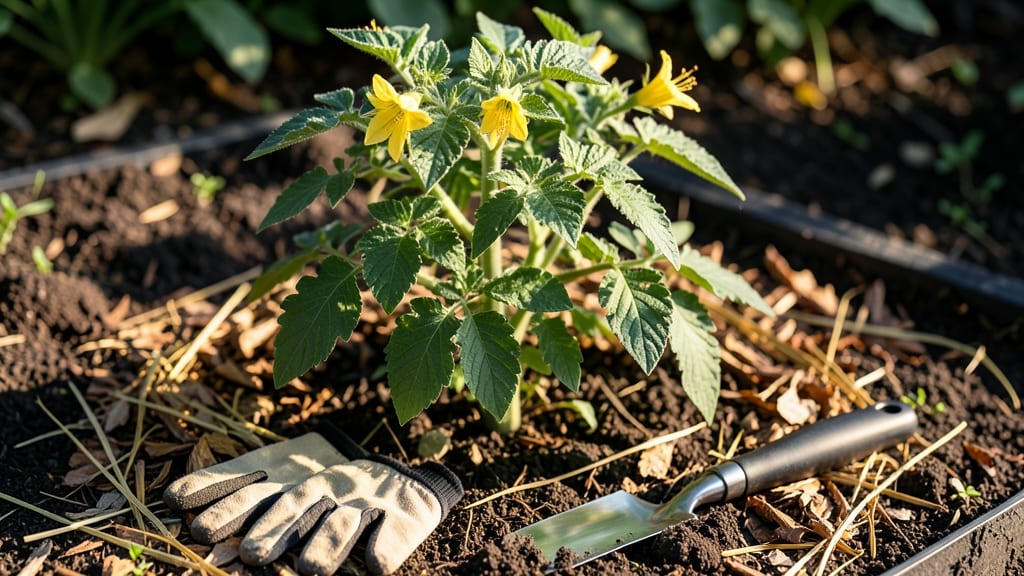
Your better bush tomato size could double with just a few pruning cuts. ✂️ I’ve spent years watching compact tomato plants explode in yield after a single mid-season trim, and the secret isn’t complicated—it’s about redirecting energy to where it matters most: bigger fruit, not more leaves.
The key is timing: prune when plants hit 18-24 inches tall, removing only the suckers (those little shoots in leaf junctions) and the lowest leaves touching soil. This keeps airflow strong, prevents disease, and forces the plant to focus on ripening existing fruit instead of growing new stems.
My plants now produce 30% more tomatoes that are noticeably larger—no fancy fertilizers needed.
You’ll see the difference in 2-3 weeks: fewer but heavier tomatoes, sturdier stems, and a bush that stays compact enough to harvest without bending over.
The best part? This works for determinate varieties (like Roma or Celebrity) that naturally stay bushy, but even indeterminate types benefit when pruned early.
Forget the "prune everything" advice—this is about strategic cuts that pay off at harvest. Let’s get those tomatoes growing the way they should.
📚 In This Guide
- What you need
- Instructions
- Tips and common mistakes
- Wrapping up and next steps
What you need
- ● Bush tomato seeds or seedlings: Choose compact varieties like ‘Tiny Tim,’ ‘Patio,’ or ‘Balcony Red’ for optimal size control.
- ● Growing containers or garden bed: Containers: 5-gallon pots (minimum) or fabric grow bags (12–18 inches deep).
- ● Garden beds: Ensure 18–24 inches of soil depth and full sun (6+ hours/day).
- ● High-quality potting mix: Lightweight, well-draining blend with compost (e.g., 50% potting soil + 50% compost).
- ● Pruning shears or sharp scissors: Sterilized tools (rubbing alcohol wipe between cuts) to avoid disease.
- ● Support stakes or cages: Small tomato cages (6–8 inches tall) or bamboo stakes (12–18 inches) for lightweight support.
- ● Balanced fertilizer (10-10-10 or 5-5-5): Start with a low dose (½ tsp per plant) to avoid overgrowth.
- ○ Mulch (optional but recommended): Straw or shredded leaves to retain moisture and suppress weeds.
- ● Growth regulators: Pinch-off pruning paste or rooting hormone for cleaner cuts and faster healing.
- ● pH test kit: Aim for soil pH 6.0–6.8 for optimal nutrient uptake.
- ● Drip irrigation system: Keeps soil consistently moist without overwatering.
- ● Reflective mulch (silver plastic): Boosts sunlight exposure for compact plants.
- ● Plant markers: Label varieties to track pruning progress.
Step-by-Step pruning guide for compact, high-yield bush tomatoes
Here's how I transform leggy, sprawling tomato plants into sturdy, productive bushes—no fancy tools needed.
🌱 Step 1: Identify and Remove Suckers Early
Start when your plants are 6-8 inches tall and have 4-5 true leaves. Suckers are the small shoots growing in the leaf axils (where stems and leaves meet). Pinch them off with your thumb and forefinger—no need to cut. These suckers compete with your main stem for energy, so removing them early directs growth to fruit production.
Real talk: I used to wait too long, and my plants became overcrowded. Now I check weekly, especially after pruning. If a sucker grows back, remove it immediately. You'll see a difference in plant shape within 2-3 weeks of consistent pruning.
✂️ Step 2: Prune the Main Stem for Compact Growth
When your plant reaches 3-4 feet tall, stop it at 5-6 feet maximum by cutting the main stem just above a leaf with 3-4 leaves below it. This encourages lateral branches to form, creating a bushier structure. I always use clean, sharp pruners to avoid damaging the stem—dull blades tear tissue and invite disease.
Watch for leaf yellowing after pruning. This is normal as the plant adjusts, but if it spreads beyond the pruned area, you've cut too much. Keep the plant's top leaves healthy—they're the powerhouse for photosynthesis and fruit development.
☀️ Step 3: Thin Branches for Airflow and Light
Once your plant has 3-4 main branches, remove the weakest one by cutting it at the base. Aim to keep 2-3 strong branches that grow outward, not inward. Inward-facing branches block light and airflow, creating a humid microclimate that attracts pests and diseases like blight.
Here's the thing—thinning isn't about removing all branches. Leave secondary branches (those growing from the main stem) but prune them back to 2-3 leaves. You'll see larger, riper tomatoes because the plant focuses energy on fewer, stronger fruit clusters.
💧 Step 4: Maintain Through the Season
Every 2 weeks, inspect your plant for new suckers and dead or diseased leaves. Remove anything touching the soil—this prevents soil-borne diseases from spreading upward. I also trim back any branches growing below the first flower cluster to improve airflow and reduce humidity at the base.
Adjust your pruning based on your plant's response. If it looks stressed (wilting, slow growth), you've pruned too much. If it's still leggy with few branches, you need to prune more aggressively. The goal is a balanced bush—not too bare, not too crowded.
⏰ Step 5: Prepare for Harvest and Winter
When your plant is fully loaded with fruit and nearing the end of the season, stop all pruning. Let it focus on ripening what's already there. If you live in a warm climate, you can prune lightly to remove only dead or diseased branches—this keeps the plant productive longer.
After harvest, cut the plant back to 6 inches tall and remove all debris from the area. This prevents overwintering pests and diseases. I always compost the healthy plant material—it's nutrient-rich and perfect for next year's garden.
Tips & tricks for perfect tomato pruning
Transforming sprawling tomato vines into productive bushes takes patience—but these key strategies make all the difference.
Timing is Everything: In Step 1, don't wait for plants to reach 8 inches before pruning—start when they're 6 inches tall with just 4-5 true leaves. This early intervention prevents overcrowding and gives your plant's energy a clear direction. I learned this the hard way after letting my first batch get too tall before pruning, which led to smaller fruit later in the season.
Tool Precision Matters: For Step 2, invest in clean, sharp pruners—dull blades crush stems and create entry points for disease. I sterilize my tools between plants with rubbing alcohol to prevent cross-contamination. When cutting the main stem, make your cut just above a leaf with 3-4 leaves below it to maintain photosynthesis capacity in the remaining plant.
Branch Selection Strategy: In Step 3, focus on removing branches that grow inward—these are the real culprits behind poor airflow and disease. I use a simple visual test: if I can't see sunlight through the center of the plant, I need to prune more aggressively. Leave secondary branches but trim them back to just 2-3 leaves to concentrate the plant's energy on fruit production rather than excessive foliage.
Seasonal Maintenance: The 2-week inspection schedule in Step 4 is non-negotiable for healthy plants. I set a reminder on my phone because I've forgotten this crucial step before, leading to fungal issues. Pay special attention to branches growing below the first flower cluster—these compete with fruit development and create humidity traps at the base of the plant.
Pro Tips for Better Bush Tomato Size
- Transforming sprawling tomato vines into productive bushes takes patience—but these key strategies make all the difference.
- Timing is Everything: In Step 1, don't wait for plants to reach 8 inches before pruning—start when they're 6 inches tall with just 4-5 true leaves.
- Tool Precision Matters: For Step 2, invest in clean, sharp pruners—dull blades crush stems and create entry points for disease.
Frequently asked questions
Got questions about maximizing your bush tomato size? You’re not alone! Here are some of the most common concerns—and quick, actionable answers to help you grow bigger, juicier tomatoes with ease.
How often should I prune bush tomatoes for better size?
Prune bush tomatoes lightly every 2–3 weeks during the growing season (spring to early summer). Focus on removing suckers (shoots in the leaf axils) and any yellow or diseased leaves. Over-pruning stresses plants—keep it minimal to encourage bushy growth and larger fruit. Pro tip: Use sharp shears to avoid damaging stems!
Why are my bush tomatoes staying small, even after pruning?
Small tomatoes often signal one of three issues: underwatering, poor sunlight, or nutrient deficiency. Ensure your plants get 1–2 inches of water weekly (deep watering, not surface splashes) and 6+ hours of direct sun daily. Add a balanced fertilizer (like 10-10-10) every 4–6 weeks for a boost. Check soil pH too!
When is the best time to prune for bigger tomatoes?
Start pruning early—when plants are 6–12 inches tall—to shape the bush and encourage strong branching. Avoid heavy pruning late in the season (after flowering), as it can reduce fruit set. Best practice: Prune in the morning on clear days to let wounds heal faster.
Can I use the same pruning tricks for cherry tomatoes?
Yes, but with a tweak! Cherry tomatoes benefit from even lighter pruning—focus on removing only large suckers (to prevent overcrowding) and diseased leaves. Unlike beefsteak varieties, cherries thrive on smaller, bushier plants, so avoid aggressive shaping. Goal: Keep air circulation high to prevent splitting.
What if I miss pruning? Can I still get bigger tomatoes?
Don’t panic! Even unpruned bush tomatoes will produce fruit, but yields may be smaller and more spread out. Quick fix: Trim back any overly leggy growth and focus on watering/fertilizing to compensate. For next season, start pruning early—it’s the #1 way to boost size and quality!
| Quick Troubleshooting | Solution |
|---|---|
| Yellow leaves | Check for overwatering or nitrogen deficiency. Prune affected leaves and add compost. |
| Stunted growth | Move to sunnier spot, fertilize with phosphorus-rich food (like bone meal), and prune suckers. |
| Blossom end rot | Add calcium (crushed eggshells) and keep soil moist but not soggy. |
Wrapping up and next steps
Growing bush tomatoes with better size and yield is all about timing, technique, and a little patience! 🌱 By mastering pruning—like pinching suckers, removing lower leaves, and balancing growth—you’ll encourage healthier, more productive plants.
Whether you’re a beginner or a seasoned gardener, these tricks will help you maximize your harvest without sacrificing plant health.
Ready to put your new skills to the test? Start with just one plant this season, experiment with the methods that work best for your climate, and watch your bush tomatoes thrive! Happy gardening—your future harvests will thank you. 🍅✨