
Companion Plants
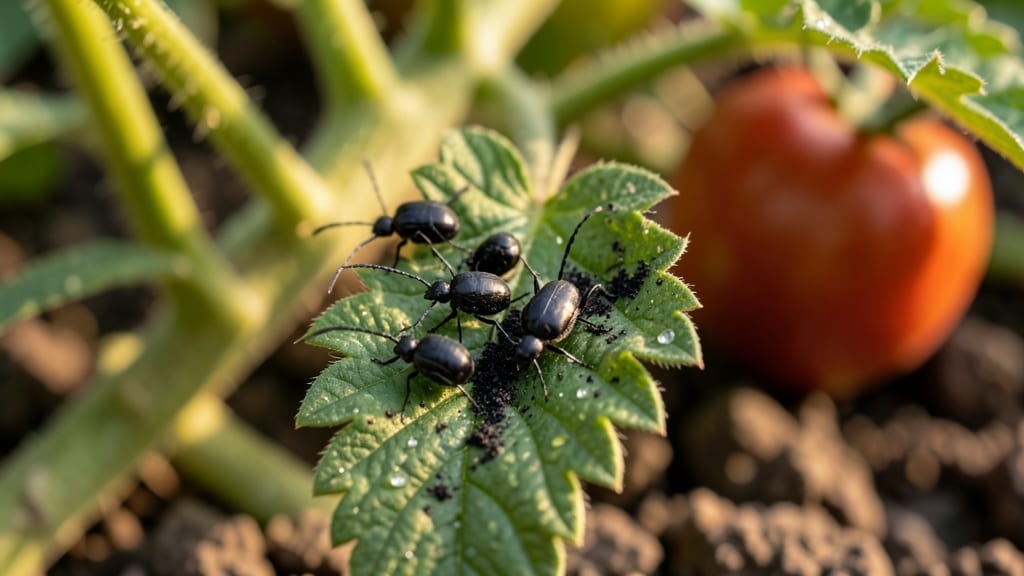
Black insects devouring your tomato plants are a nightmare no gardener should face. 🌱 I’ve battled everything from tiny aphids to massive hornworms, and I’ll show you how to spot them, stop them, and save your harvest before they take over.
The worst offenders—hornworms, aphids, and stink bugs—each leave distinct damage: chewed leaves, sticky residue, or wilting vines. The good news? You don’t need harsh chemicals to win. Three natural fixes—neem oil, beneficial insects, and handpicking—work faster than you’d think when applied right.
By the end, your tomatoes will bounce back stronger, and you’ll recognize these pests before they become a full-blown crisis. The key is acting fast and choosing the right defense for each type of invader. This works for backyard gardens, containers, or even a single potted plant.
Let’s get those plants back in fighting shape!
Root Causes of Tiny Black Invaders
When you spot tiny black insects crawling on your tomato plants, it’s rarely a random coincidence—these pests are drawn to your garden for specific reasons. Understanding the why behind their presence is the first step to stopping them before they devour your harvest.
Below, we break down the most common triggers, from environmental factors to plant weaknesses, so you can address the issue at its source.
Tomatoes thrive when they have space to breathe, but when plants are crowded, their leaves and stems become weak, making them an easy target for pests like aphids, fungus gnats, or even tiny beetles. Stress from overcrowding also disrupts the plant’s natural defenses, leaving it vulnerable to infestations.
Why it happens:
- Poor airflow: Dense foliage traps moisture, creating a humid microclimate that attracts fungus gnats and other moisture-loving insects.
- Competition for nutrients: Overcrowded plants struggle to absorb water and fertilizer, weakening their immune response.
- Physical damage: Branches rubbing together can create entry points for pests, while shaded leaves (from overcrowding) become less bitter—making them more appealing to feeders.
💡 Pro Tip: Prune your tomato plants regularly to improve airflow and remove yellowing or damaged leaves. Space plants 18–24 inches apart (for determinate varieties) or 24–36 inches apart (for indeterminate types) to reduce stress.
Black insects like fungus gnats, shore flies, and even some species of mites are drawn to damp conditions. If your tomato plants are sitting in soggy soil or have leaves that stay wet for long periods, you’re essentially rolling out the welcome mat for these pests.
Why it happens:
- Overwatering: Tomatoes prefer consistent moisture but well-drained soil. If the top inch of soil stays wet, fungus gnat larvae thrive in the dampness, while adult flies lay eggs in the moisture-rich environment.
- Poor drainage: Containers without drainage holes or clay-heavy soil can trap water, creating ideal breeding grounds for pests.
- Irrigation practices: Watering from above (especially late in the day) leaves leaves damp overnight, inviting aphids and other sap-suckers.
🌡️ Quick Fix: Let the top 1–2 inches of soil dry out between waterings, and water at the base of the plant in the morning to allow foliage to dry quickly. Use mulch to regulate soil moisture without over-saturating it.
Some black insects, like thrips or stink bugs, are attracted to tomato plants that are already compromised by disease. Fungal infections (e.g., early blight, late blight) or bacterial issues (e.g., bacterial spot) create entry points and stress signals that pests detect from a distance.
Why it happens:
- Spores and decay: Fungal infections produce spores that can attract insects like fungus gnats, which feed on decaying organic matter.
- Sugar-rich sap: Bacterial infections can cause plants to produce excess sugars in damaged areas, making them more appealing to sap-sucking pests.
- Physical damage from disease: Spots, lesions, or wilting leaves create soft tissue that’s easier for insects to penetrate and feed on.
🔥 Prevention Tip: Rotate crops annually to prevent soil-borne diseases, and remove infected leaves immediately. Apply copper fungicide or neem oil as a preventive measure if your area is prone to fungal outbreaks.
While companion planting can deter pests, the wrong neighbors can attract black insects to your tomatoes. For example, planting corn near tomatoes may lure corn earworms or stink bugs, which will then migrate to your tomato foliage.
Even well-meaning companions like basil can sometimes mask the scent of pests, giving them free rein.
Why it happens:
- Pest magnets: Some plants (e.g., marigolds can attract beneficial insects, but nasturtiums may draw aphids, which then spread to tomatoes).
- Scent confusion: Strongly scented herbs like dill or fennel can attract beneficial predators and pests like swallowtail butterflies, whose larvae may munch on tomato leaves.
- Shared pests: Plants like potatoes or eggplants (both nightshades) may harbor the same pests that target tomatoes, creating a pest highway.
✨ Smart Pairing: Stick to proven tomato companions like basil, marigolds, or onions, which repel pests naturally. Avoid planting tomatoes near brassicas (cabbage family) or legumes, which can attract shared insect enemies.
By tackling these root causes—whether it’s thinning your plants, adjusting your watering habits, treating diseases early, or choosing the right companions—you’ll make your tomato garden far less appealing to black invaders. The key is proactive care, not just reactive sprays!
Natural Ways to Stop Tomato Pests
Now that you’ve identified those pesky black invaders—whether they’re hornworms, aphids, or other unwanted guests—it’s time to act! The good news? You don’t need harsh chemicals to reclaim your tomato plants. Below are targeted, eco-friendly solutions tailored to the most common culprits, plus prevention tips to keep your garden thriving.
If your tomatoes are being devoured overnight, hornworms are likely the culprits. These striped caterpillars can strip a plant bare in days!
🔥 Step-by-Step Removal
- 👨🍳 Handpick at dawn or dusk – Hornworms are slow-moving when temperatures drop. Wear gloves and drop them into soapy water (they’ll drown instantly).
- 🌿 Introduce natural predators – Ladybugs, parasitic wasps, and praying mantises love hornworms.
Plant dill, fennel, or marigolds nearby to attract them. 3. 🥘 Use neem oil spray – Mix 1 tsp neem oil + 1 tsp mild soap + 1 quart water, spray directly on worms (avoid blooming tomatoes to protect bees).
- 🔪 BT (Bacillus thuringiensis) spray – A bacteria-based pesticide that’s safe for humans and pets. Spray every 3–5 days until worms disappear.
💡 Pro Tip: Check the undersides of leaves—hornworms hide there during the day!
Tiny black aphids, flea beetles, or spider mites can weaken plants by sucking sap, leaving sticky residue (honeydew) that attracts mold.
🍳 Quick Fixes for Small Infestations
- 💦 Blast them off with water – Use a strong hose spray to knock them off leaves (do this in the early morning to avoid harming bees).
- 🌿 Plant companion herbs – Basil, mint, or garlic repel aphids naturally.
Place them near tomato plants as a barrier. 3. 🧼 Soap spray solution – Mix 1 tbsp castile soap + 1 quart water, spray directly on pests (test on a small leaf first). 4. 🐝 Encourage beneficial insects – Lacewings and ladybugs feast on aphids.
Buy them online or attract them with flowering plants like alyssum or cosmos.
🔥 For Severe Cases:
- 🌿 Neem oil or insecticidal soap – Spray every 5–7 days until pests vanish.
- 🌡️ Row covers – If flea beetles are chewing leaves, cover young plants with lightweight fabric until they mature.
If you see chewed leaves with slime trails, slugs or snails are likely the culprits. They thrive in moist, shaded areas.
🔪 Traps & Barriers
- 🍺 Beer traps – Bury a shallow dish filled with beer near plants. Slugs crawl in and drown.
- 🪨 Crushed eggshells or diatomaceous earth – Sprinkle around the base of plants to create a sharp barrier they won’t cross.
- 🌿 Copper tape – Wrap it around pots or garden beds—slugs get a mild electric shock and avoid the area.
- 🌞 Remove hiding spots – Clear mulch, boards, and dense foliage where they shelter during the day.
✨ Bonus: Duckweed or lettuce traps – Place a flat tray with these near tomato plants; slugs will eat them instead!
Once you’ve dealt with the current infestation, stop future attacks with these long-term strategies:
| Problem | Prevention Method | When to Do It |
|---|---|---|
| Hornworms | Plant basil or marigolds near tomatoes | At transplanting |
| Aphids | Spray garlic or chili pepper spray weekly | Every 7–10 days |
| Slugs/Snails | Apply copper tape around garden beds | Before planting season |
| Flea Beetles | Use row covers for young plants | Early spring |
| General Pests | Crop rotation – Don’t plant tomatoes in the same spot yearly | After harvest |
🎯 Golden Rule: Healthy plants resist pests better!
- 💧 Water deeply but less often (prevents fungal issues that attract pests).
- 🌿 Prune regularly to improve airflow (pests hate dry, airy plants).
- 🍅 Harvest ripe tomatoes promptly – Overripe fruit attracts fruit flies and other pests.
Final Thought: Most tomato pests can be controlled without chemicals if you act quickly and consistently. Start with handpicking and natural sprays, then reinforce with companion planting and prevention. Your tomatoes will be thriving—and pest-free—in no time! 🍅✨
Frequently asked questions
What are the most common black insects attacking tomato plants?
The top culprits are hornworms (large green caterpillars with black stripes), aphids (tiny black or green sap-suckers), fungus gnats (small black flies), and stink bugs (shield-shaped with black and white markings). Each leaves distinct damage: chewed leaves, sticky residue, or wilting vines.
How do I tell if my tomato plants have a hornworm infestation?
Look for large, green caterpillars (3-4 inches long) with white diagonal stripes and black "horns" on their rear. They hide on undersides of leaves during the day and can strip a plant bare overnight. Check leaves and stems daily at dawn or dusk.
Are black aphids different from green aphids on tomatoes?
Yes! Black aphids are often sooty mold aphids, which excrete black, sticky honeydew that coats leaves, while green aphids leave clear residue. Black aphids thrive in humid conditions and can spread faster due to their dark color absorbing more heat. Both types weaken plants by sucking sap.
Can I use coffee grounds to get rid of black insects on tomatoes?
Coffee grounds help repel fungus gnats and slugs but won’t eliminate hornworms or aphids. Sprinkle dry grounds around plant bases to deter pests, but combine with handpicking or neem oil for better results. Fresh grounds can also attract ants—use composted instead.
Will my tomato plants recover after a severe black insect attack?
Yes, but you’ll need to prune damaged leaves and fertilize with compost to help recovery. Remove heavily chewed foliage to redirect energy to new growth. For hornworm damage, focus on replacing lost leaves—tomatoes are resilient and will regrow if the main stem stays intact.