
Companion Plants
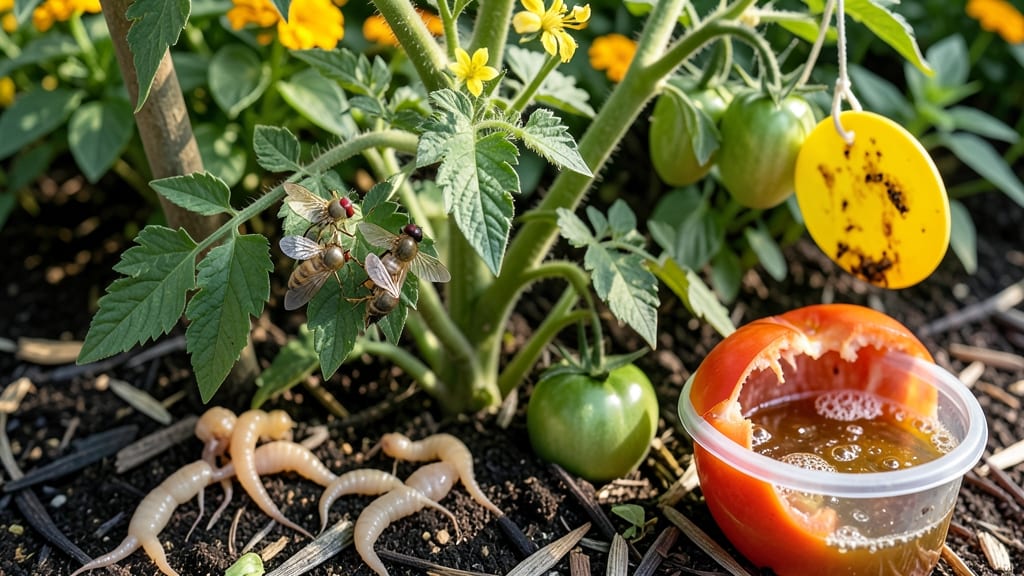
Fruit flies swarming your tomato plants mean your harvest is under attack—and it’s easier to stop than you think. 🌱 I’ve battled these tiny nuisances for years, and the secret weapon isn’t toxic sprays but a 24-hour trap-and-kill system that works faster than store-bought remedies. The key?
Understanding their sneaky life cycle and outsmarting them before they ruin your fruit. Most gardeners waste time on ineffective sprays, but fruit flies thrive in overripe or damaged tomatoes. A simple apple cider vinegar trap (with a drop of dish soap) lures them in, and they’re gone by morning.
No harsh chemicals, no waiting weeks—just a quick cleanup and a protected garden. The best part? It’s 100% organic and safe for your plants. By the end of the day, you’ll have a fruit fly-free zone with no lingering odors or residue.
Your tomatoes stay crisp, your soil stays healthy, and you skip the guesswork of chemical labels. This isn’t just a fix—it’s a game-changer for any tomato grower tired of losing harvests to these pests. Works for greenhouse, patio, or in-ground gardens—no matter where your tomatoes grow, this method adapts.
Let’s get those flies trapped before they multiply!
Root Causes Of Tiny Invaders
Fruit flies—those pesky, buzzing Drosophila melanogaster—don’t just appear on tomato plants out of nowhere. Their presence is usually a sign of underlying conditions that make your garden an all-you-can-eat buffet. Understanding why they’re drawn to your tomatoes is the first step to outsmarting them.
Below, we break down the key reasons these flies target your plants, with science-backed explanations and actionable insights.
Fruit flies have a sixth sense for fermenting, rotting, or overripe produce. Their larvae thrive in the sugary, decaying environment of soft fruit, making your tomatoes a prime breeding ground. Here’s why this happens:
- Ethanol & Acetic Acid: As fruit ripens beyond its prime, it produces ethanol (alcohol) and acetic acid (vinegar-like compounds). These chemicals signal to flies that it’s time to lay eggs—larvae will hatch and feast on the decomposing flesh.
- Physical Damage: Cracks, bruises, or punctures (from hail, birds, or even overwatering) create entry points. Flies detect these wounds and exploit them to deposit eggs.
- Sugar & Moisture: Ripe tomatoes are packed with natural sugars and moisture—perfect for fly larvae to grow rapidly. A single overripe tomato can become a nursery for hundreds of eggs.
💡 Pro Tip: Harvest tomatoes as soon as they reach peak ripeness (color change, slight give when gently squeezed). Remove any fallen or damaged fruit immediately—flies can detect these from up to a mile away!
Fruit flies aren’t just attracted to fruit—they’re drawn to the microhabitats your garden creates. Organic debris, compost piles, and even mulch can harbor fly populations. Here’s how it works:
- Decomposing Plant Material: Leaves, stems, and old tomato vines left on the soil surface break down into a nutrient-rich, moist environment. This becomes a breeding ground for fungal gnats (similar to fruit flies) and their larvae.
- Compost Piles: While compost is great for soil health, improperly managed piles can become too hot and anaerobic, producing volatile organic compounds (VOCs) that attract flies. Flies lay eggs in the outer layers, where larvae can burrow in.
- Mulch Overload: Thick layers of mulch (especially wet or rotting wood chips) trap moisture and create a fly-friendly ecosystem. If mulch isn’t turned regularly, it can become a fly magnet.
🔥 Action Step: Clear away all plant debris from the base of tomato plants and surrounding areas. Use a fine mesh (like hardware cloth) to cover compost piles if flies are persistent. For mulch, keep it thin (1–2 inches) and ensure it’s dry.
Fruit flies are hitchhikers. They (and their eggs) can latch onto dirty tools, containers, and even your hands, spreading to new plants. Here’s how sanitation fails lead to infestations:
- Infested Potting Mix: If you reuse containers or soil from previous seasons, fly eggs or larvae may still be dormant. Even sterilized soil can harbor microscopic eggs that survive heat treatment.
- Dirty Pruners/Gloves: Tools used on infested plants can transfer fly eggs or larvae to healthy tomatoes. A single swipe with a contaminated pruner can deposit dozens of eggs in fresh cuts.
- Water Sources: Standing water in saucers, drip irrigation systems, or even damp soil can create a breeding site for adult flies. They lay eggs in moist environments, which hatch into larvae within 24–48 hours.
🎯 Prevention Checklist:
- Disinfect tools with 70% isopropyl alcohol or a 10% bleach solution between uses.
- Replace potting mix annually or bake it at 180°F (82°C) for 30 minutes to kill eggs.
- Empty and scrub saucers under tomato pots weekly to remove egg deposits.
While companion planting can repel pests, poor pairings can attract them. Fruit flies are drawn to plants that produce fermentable sugars, alcohol, or decaying matter. Common culprits near tomatoes include:
- Fruiting Plants: Overripe berries (strawberries, grapes), melons, and squash release volatile compounds that mimic rotting fruit, luring flies.
- Herbs with Decaying Matter: Basil and mint, when wilting or mulched improperly, can ferment and emit fly-attracting odors.
- Weeds with Rotting Leaves: Plants like dandelions or chickweed left to decompose near tomatoes create a fly-friendly zone.
✨ Smart Companion Swaps:
- Add: Marigolds (deter flies with their scent), basil (when fresh, not wilting), or garlic/chives (natural repellents).
- Avoid: Planting tomatoes near corn or barley, which also attract fruit flies.
By addressing these root causes—overripe fruit, organic debris, poor hygiene, and bad companion choices—you’ll make your tomato garden far less inviting to fruit flies. The next step? Turn your knowledge into action with a 24-hour trap-and-kill system.
Natural Ways to Trap & Eliminate Fruit Flies
Fruit flies on your tomato plants can feel like an unwelcome invasion, but the good news? You can eliminate them fast—without harsh chemicals—using simple, nature-backed methods. Below are targeted solutions based on the most common causes, from overripe fruit to poor sanitation.
Each fix is easy to implement and designed to work in 24 hours or less for immediate relief.
Fruit flies are drawn to fermenting organic matter, so remove their buffet first.
🔥 Step 1: Clear the Scene
- Pick all ripe or damaged tomatoes (even slightly soft ones) and discard them far from your garden (or compost them in a sealed bin).
- Check under leaves and in crevices—fruit flies hide in small cracks.
🍳 Step 2: Set Up a DIY Trap Fill a small bowl or jar with:
- Apple cider vinegar + a drop of dish soap (the soap breaks surface tension so flies drown).
- Cover with plastic wrap, poke small holes, and place near plants.
- 💡 Pro Tip: Add a few overripe banana slices to the trap—flies can’t resist!
⏰ Timeframe: Traps work in 12–24 hours. Replace every 2–3 days for best results.
Moisture-loving fruit flies thrive in damp mulch or soil. Adjust the environment to make it uninhabitable.
👨🍳 Step 1: Improve Drainage
- Aerate the soil by gently loosening the top 2 inches with a fork.
- Reduce watering—soggy soil is a magnet for flies. Water early in the day so moisture evaporates.
🥘 Step 2: Add Diatomaceous Earth (DE)
- Sprinkle food-grade DE (a natural insect powder) around the base of plants.
- ✨ Why it works: DE dehydrates flies on contact—no chemicals, just dust.
- 💡 Pro Tip: Reapply after rain or watering.
If flies are swarming, create a physical or scent-based blockade.
🔪 Step 1: Cover Young Plants
- Use fine mesh netting (like fruit fly traps for greenhouses) over seedlings.
- Secure tightly—flies can slip through gaps!
🌡️ Step 2: Confuse Them with Essential Oils Fruit flies hate citrus and peppermint scents.
- Mix 10 drops of peppermint or lemon oil with 1 cup water in a spray bottle.
- Lightly mist leaves and soil (avoid direct spray on flowers).
- 🎯 Best time: Early morning or evening when flies are most active.
Once you’ve eliminated the current infestation, lock in long-term protection:
✅ 🌿 Companion Planting:
- Grow basil, marigolds, or lavender near tomatoes—their strong scents repel flies naturally.
✅ 🧹 Sanitation Habits:
- Clean up fallen fruit daily—don’t let anything rot.
- Wash containers (pots, buckets) with soapy water to remove egg-laying sites.
✅ 🕰️ Seasonal Checkups:
- Fall cleanup is key! Remove all plant debris before winter—flies overwinter in organic matter.
Final Thought: Fruit flies may be tiny, but they’re no match for smart, natural solutions. Combine trapping, environmental fixes, and prevention, and you’ll enjoy fly-free tomatoes in no time! 🍅✨
Frequently asked questions
Why do fruit flies suddenly appear on my tomato plants?
Fruit flies target tomato plants when they detect fermenting sugars from overripe or damaged fruit. These tiny pests are drawn to the ethanol and acetic acid produced by rotting tomatoes—it signals a perfect breeding ground. Even small cracks or bruises create entry points for egg-laying. Check for soft spots or fallen fruit immediately!
Will vinegar traps actually work for fruit flies on tomatoes?
Yes! A apple cider vinegar + dish soap trap is one of the fastest ways to eliminate fruit flies. The vinegar mimics rotting fruit, luring them in, while the soap breaks surface tension so they drown. Place traps near plants and replace every 2-3 days for best results. You’ll see a noticeable drop in flies within 24 hours!
Can I use diatomaceous earth on tomato plants without harming them?
Food-grade diatomaceous earth (DE) is safe for tomato plants when used correctly. Sprinkle a thin layer around the base (avoid direct contact with leaves) to dehydrate flies. Reapply after watering or rain. Pro Tip: Mix DE with a little flour to help it stick to the soil better.
Are fruit flies different from fungus gnats? How can I tell?
Fruit flies are smaller (1/8 inch) with red eyes, while fungus gnats are slender with long legs and prefer damp soil. Fruit flies swarm around fruit, while gnats hover near soil. Check for larvae in rotting fruit (fruit flies) or moist soil (gnats)—this helps determine the right treatment!
How long does it take to completely eliminate a fruit fly infestation?
With consistent trapping and prevention, you can see 90% fewer flies in 3-5 days. For a full elimination, combine traps with removing rotting fruit, improving drainage, and using DE. Persistent cases may take 1-2 weeks, but staying vigilant prevents reinfestation. Patience pays off for a fly-free garden!