
Blooming
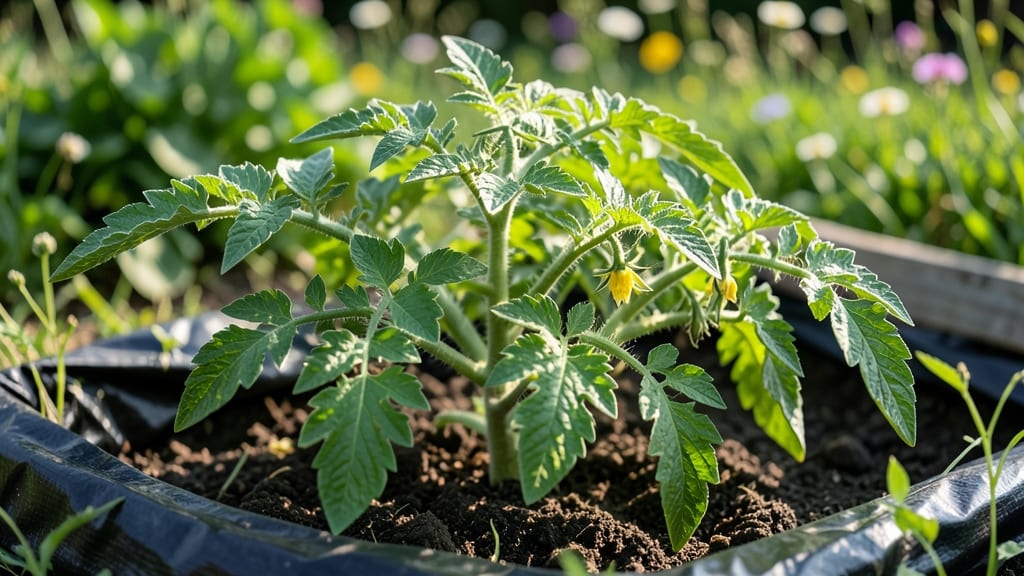
Tomato plants need blossom set to turn flowers into fruit, and getting it right means the difference between a handful of tomatoes and a bushel. 🌱 I’ve watched my plants drop flowers for years—until I learned the secret balance of temperature, light, and care that keeps them fruiting like crazy.
The magic happens when daytime temps stay between 55-85°F and nights don’t dip below 50°F. Too hot or too cold, and those flowers just fall off without setting fruit.
Even humidity plays a role—dry air stresses plants, while consistent moisture keeps them focused on growing tomatoes instead of fighting for survival.
With the right conditions, you’ll see those tiny tomatoes start forming within 7-10 days of pollination. The key is patience—don’t rush fertilizing or pruning when flowers first appear, or you’ll trigger more blossom drop. A light hand and steady care pay off with heavy, consistent fruit set all season.
Works for both indoor and outdoor tomatoes, from cherry to beefsteak varieties. Here’s how to troubleshoot when things go wrong—and keep your plants producing like champs.
📚 In This Guide
- What you need
- Instructions
- Tips and common mistakes
- Wrapping up and next steps
What you need
- ● Tomato plants: Healthy, blossom-bearing plants (determinate or indeterminate varieties). Aim for 1-2 plants per 4 sq ft of space for optimal airflow.
- ● Blossom set spray: Hydrogen peroxide (3%): 1-2 tbsp per quart of water (boosts oxygen uptake).
- ● Calcium nitrate or calcium chloride: 1 tsp per gallon of water (prevents blossom end rot).
- ● Commercial blossom set spray (e.g., Blossom Set by Bonide or Tomato Set by Garden Safe). Follow label instructions.
- ● Watering can or spray bottle: With a fine mist nozzle for gentle application.
- ● Pruning shears or scissors: Sharp, clean tools to trim suckers or damaged foliage.
- ● pH test kit: To monitor soil pH (ideal range: 6.0–6.8).
- ● Fertilizer: Balanced 10-10-10 or 5-10-10 fertilizer (low nitrogen to avoid leafy growth).
- ● Phosphorus-rich fertilizer (e.g., 0-10-10) to encourage flowering.
- ● Grow lights or shade cloth: For indoor plants or hot climates (prevents stress during flowering).
- ● Humidity tray or pebble tray: Helps maintain moisture around plants (especially in dry conditions).
- ● Thermometer/hygrometer: To monitor temperature (70–85°F) and humidity (40–70%).
- ● Organic mulch (e.g., straw or grass clippings): Retains soil moisture and regulates temperature.
- ○ Pollination aid (optional for greenhouses): Small paintbrush or cotton swab to manually pollinate flowers.
- ● Oscillating fan (low setting) to mimic wind.
How to encourage heavy blossom set in tomato plants
Here's the method I've used for years to prevent blossom drop and get tomatoes bursting with fruit.
🌱 Step 1: Ensure Proper Pollination Conditions
Tomatoes need gentle movement to pollinate flowers—nature uses bees, but indoors or in still air, you'll need to help. On sunny days, give plants a light shake every morning when flowers open. Hold the stem near the base and give it a firm but gentle wiggle for about 10 seconds. This mimics wind pollination and helps pollen transfer from anther to stigma.
Watch for yellowing flowers that drop without setting fruit—this is your sign pollination failed. If you see this, try shaking again or use a small paintbrush to dab pollen from one flower to another. The goal is consistent movement during the 2-3 hour window after flowers open when they're most receptive.
☀️ Step 2: Maintain Ideal Temperature and Light
Blossom drop often happens when temperatures swing above 85°F or below 55°F. Place your plants where they get full sun (6-8 hours daily) but stay in 60-75°F range. If your greenhouse or windowsill gets too hot, provide afternoon shade with a light shade cloth (30-50% coverage).
Morning sun is ideal because it warms plants gradually. Avoid placing tomatoes near vents or drafty windows—temperature fluctuations stress flowers and cause them to abort. You'll know you've got the right balance when flowers stay firm and upright rather than wilting by midday.
💧 Step 3: Water Consistently Without Stressing Plants
Inconsistent watering is the #1 cause of blossom drop. Water deeply 1-2 times weekly until top 6 inches of soil feel moist (but not soggy). Use a moisture meter or stick your finger in—soil should feel like a wrung-out sponge. Avoid wetting leaves when possible to prevent disease.
Here's the thing—water stress (both over and under) causes flowers to drop. If you see yellowing lower leaves or wilting at midday, you're either overwatering or underwatering. Mulch with 2-3 inches of organic mulch to keep soil temperatures stable and moisture even. The key is predictable hydration—plants should never feel thirsty when flowers form.
🌿 Step 4: Fertilize for Strong Flower Production
Use a balanced fertilizer (10-10-10 or 5-5-5) when you see the first flower clusters appear. Mix 1 tablespoon per gallon of water and apply every 2 weeks during flowering. Phosphorus (the middle number) is critical—it supports root and flower development. You'll see darker green leaves and more robust stems within a week of proper feeding.
Stop nitrogen-heavy feeding now—too much promotes leafy growth at the expense of flowers. If your plants look lush but flowerless, flush the soil with plain water for a week to reset. The goal is strong stems with abundant blooms, not just foliage. Watch for small, pale flowers—they're a sign of nutrient deficiency.
⏰ Step 5: Prune for Better Airflow and Fruit Set
Remove suckers (the small shoots growing between main stems and branches) when they're less than 3 inches tall. Use clean pruners to avoid spreading disease. Keep 3-4 main stems on indeterminate varieties for best fruit production. You'll know you're doing it right when the plant focuses energy on existing flowers rather than new growth.
Also trim lower leaves that touch the soil to improve airflow and prevent disease. This might seem counterintuitive, but open airflow reduces humidity around flowers, which prevents fungal issues that can cause blossom drop. The plant will redirect energy to fruit development instead of struggling with crowded growth.
Tips & tricks for heavy tomato blossom set
Real talk: Even with perfect pollination, small details make all the difference between a few tomatoes and a plant bursting with fruit. Here's what nobody tells you about maximizing blossom set.
Timing Secret: That 2-3 hour window after flowers open is your golden opportunity. I've found the best results come from shaking plants between 8-10 AM when flowers are fully unfurled but still dewy. Morning light and humidity create the perfect conditions for pollen transfer. If you miss this window, try again at 2 PM when temperatures peak—but don't shake after 4 PM or you risk stressing the plants.
Temperature Matters: The 60-75°F range isn't just a suggestion—it's where tomato flowers feel most comfortable. I keep a small fan running near my greenhouse vents to circulate air when temps creep above 75°F. The gentle breeze helps maintain consistent temperatures while preventing humidity buildup that can cause fungal issues. If your flowers start wilting by midday, you're either too hot or too dry—both will cause blossom drop.
Pruning Strategy: When removing suckers in Step 5, I always leave the topmost set of leaves intact. These leaves are crucial for photosynthesis to support developing fruit. Also, make your pruning cuts at a 45-degree angle just above a leaf node—this prevents water from pooling and reduces disease risk. The goal is to create an open, airy plant that can focus all its energy on fruit production rather than leafy growth.
Fertilizer Timing: That 1 tablespoon per gallon ratio is perfect, but timing matters just as much. I apply fertilizer in the morning when plants are actively absorbing nutrients. The key is to fertilize when you see new flower clusters forming—not when you see existing flowers. This ensures the plant has energy to support both blooms and developing fruit without overloading the system. Too much nitrogen now will give you lush leaves but no tomatoes.
Pro Tips for Blossom Set For Tomato Plants
- Real talk: Even with perfect pollination, small details make all the difference between a few tomatoes and a plant bu...
- Timing Secret: That 2-3 hour window after flowers open is your golden opportunity. I've found the best results come f...
- Temperature Matters: The 60-75°F range isn't just a suggestion—it's where tomato flowers feel most comfortable. I kee...
Frequently asked questions
Got questions about blossom set in tomato plants? You’re not alone! Here are answers to the most common concerns—so you can grow healthier, fruitier plants with confidence.
What exactly is blossom set in tomato plants?
Blossom set
refers to the process where tomato flowers successfully develop into fruit after pollination. Poor set (or blossom drop) happens when flowers fall off without forming tomatoes. Ideal conditions—like proper pollination, temperature, and nutrition—ensure strong fruit set. Think of it as the "green light" for your tomatoes to grow!
When is the best time to apply blossom set treatments?
Start treatments before flowering (when buds form) and continue until fruit sets. For calcium sprays (like calcium nitrate), apply every 7–10 days during flowering. If using organic methods (like banana peel tea), do so weekly once buds appear. Timing matters—don’t wait until flowers drop!
Why do my tomato blossoms drop even with blossom set treatments?
Blossom drop is often caused by stress, including:
- Extreme heat (above 90°F/32°C) or cold snaps (below 55°F/13°C).
- Inconsistent watering or over-fertilizing (especially with nitrogen).
- Poor pollination (common in greenhouses or rainy weather).
- Lack of calcium or boron in the soil.
Can I use household items for blossom set instead of store-bought products?
Try these DIY alternatives:
- Banana peel tea: Steep peels in water for 24 hours (adds potassium and calcium).
- Epsom salt spray: Mix 1 tbsp per gallon of water (boosts magnesium).
- Yogurt or milk spray: Dilute 1:10 with water (calcium source).
- Hand pollination: Gently shake plants or use a small brush to transfer pollen.
Will blossom set work for all tomato varieties?
Yes, but effectiveness varies by type. Determinate tomatoes (bush varieties) often set fruit more reliably with treatments, while indeterminate tomatoes (vining types) may need extra care due to continuous flowering. Cherry tomatoes and heirlooms benefit greatly, but always monitor for stress signs. Adjust methods based on your plant’s needs!
Wrapping up and next steps
Mastering the blossom set for tomato plants is your golden ticket to a bountiful harvest—no more wasted flowers or empty vines! 🌱 By understanding pollination triggers, environmental balance, and nutrient timing, you’ve unlocked the secrets to heavy fruit set.
Now, take that knowledge and watch your garden thrive—your future heirloom tomatoes are waiting!
Ready to put it into action? Start by monitoring your plants daily, adjusting care as needed, and celebrate every blossom that turns into fruit. Next, experiment with techniques like hand-pollination or pruning to refine your approach.
The more you grow, the more you’ll master—so grab those shears and get planting!