
How To
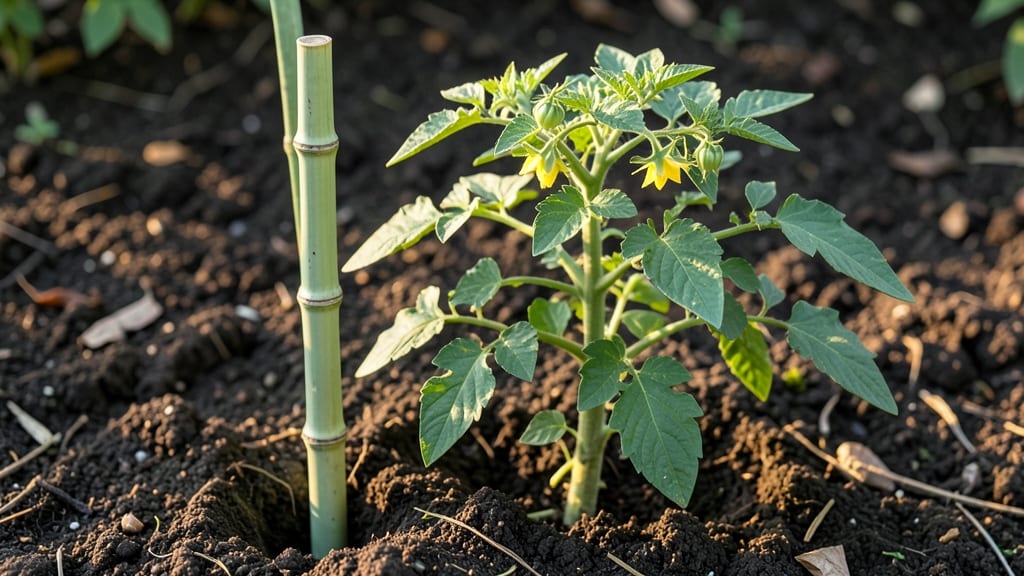
The Bush Early Girl tomato is determinate, meaning it grows in a compact bush form rather than vining indeterminately. This variety stops growing at a fixed height (around 3–4 feet) and produces fruit all at once for easy harvesting, making it ideal for containers or small gardens.
The Bush Early Girl's determinate growth habit means it reaches maturity quickly—typically in just 55–65 days—and sets fruit simultaneously rather than continuously like vining varieties. 🌱 This makes it perfect for gardeners with limited space or short growing seasons, as you can harvest the entire crop at once.
Unlike sprawling indeterminate tomatoes, these plants focus their energy on producing fruit rather than climbing, which often results in a more concentrated yield per plant.
This growth pattern also simplifies care: no need for tall trellises or extensive pruning. You can even grow them in 5-gallon containers if your space is tight, though spacing them 18–24 inches apart in the ground ensures good airflow and reduces disease risk.
The trade-off? While you won’t get a continuous harvest, the flavor and convenience often make it worth it for home gardeners.
💡 In This Article
- How Determinate Bush Early Girl Tomatoes Grow
- Best Planting and Space Strategies for Determinate Tomatoes
How determinate Bush Early Girl tomatoes grow
The Bush Early Girl's determinate growth starts with a genetic trigger that halts vertical expansion once the plant reaches its mature height of 3–4 feet.
Unlike indeterminate varieties that grow continuously, this tomato's stem ends in a flower cluster called a "terminal bud," which signals the plant to focus energy on fruit production instead of climbing.
This bushy structure creates a dense canopy of leaves and stems, forming a compact shape that resembles a shrub rather than a vine.
What makes this variety stand out is its rapid maturity—typically 55–65 days from transplant to first harvest. This early bloom and set fruit all at once, creating a concentrated harvest window of just 2–3 weeks. In contrast, indeterminate tomatoes produce fruit sporadically over months, requiring more space and support.
The Bush Early Girl's growth pattern also means it develops 4–6 main stems that spread outward, creating a self-supporting structure that eliminates the need for tall cages or stakes.
This growth habit has practical advantages for gardeners. The compact form allows for higher plant density—you can fit 3–4 plants per square yard—while still maintaining good airflow to prevent fungal diseases like blight.
The concentrated yield also makes it ideal for canning or preserving, as you get all your tomatoes ready for processing in a short time frame. However, this means you won't get a continuous supply throughout the season, unlike indeterminate varieties that produce fruit until frost.
The plant's bushy nature also affects its nutrient and water needs. Since all growth energy goes into the upper portion, the roots remain relatively shallow compared to vining tomatoes. This makes them slightly more drought-tolerant once established, but they still require consistent moisture during flowering and fruiting.
The trade-off? Their compact size means they're more susceptible to cracking if watered inconsistently, as the fruit swells rapidly during the concentrated harvest period.
One fascinating aspect is how this growth habit influences flavor development. The rapid maturation means the tomatoes often develop higher sugar content and more intense flavor compared to slower-growing indeterminate varieties. The concentrated harvest also allows for better timing of ripening, ensuring all fruit reaches peak flavor simultaneously.
This is why many gardeners prefer determinate varieties like Bush Early Girl for fresh eating or early-season markets.
For visual learners, imagine a tomato plant that looks like a well-pruned shrub versus one that climbs like a vine—this is the key difference. The determinate structure means you can grow them in tight spaces, even on patios or balconies, without sacrificing yield potential.
The only downside is that you won't get that "tomato vine in your garden all season" aesthetic, but the practical benefits often outweigh the visual trade-off for many growers.