
Vegetables
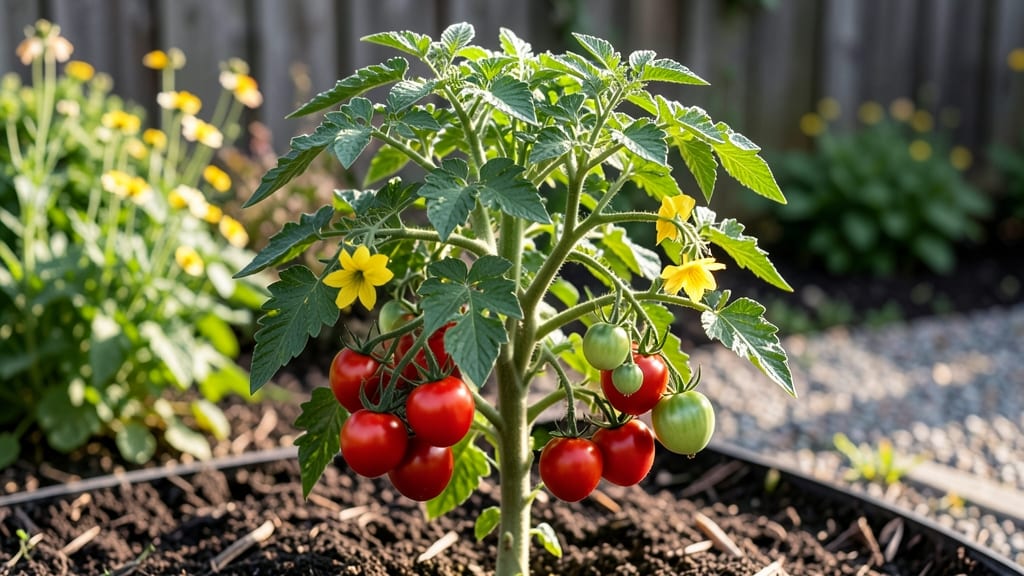
Growing Bushsteak tomato plants without them toppling over is the secret to a kitchen garden that produces pound after pound of beefsteak-sized tomatoes. 🌱 I’ve wrestled with floppy vines before—until I discovered the vertical-growing tricks that keep these heavy-fruiters upright while maximizing space.
The key starts with strong support from day one: a 5-foot-tall cage or sturdy trellis lets the plants climb naturally, while pruning just above leaf clusters encourages bushier growth.
These tomatoes thrive in full sun (6+ hours daily) and well-draining soil with a pH of 6.0–6.8—but the real magic happens when you water consistently at the base (never the leaves) and feed with a balanced fertilizer (10-10-10) every 3–4 weeks.
By midsummer, you’ll be harvesting 1-pound tomatoes that rival grocery-store prices—except these taste like sunshine and vine-ripened perfection. The plants stay compact, disease-resistant, and keep producing until frost, making them the ultimate space-saver for patios, balconies, or small backyards.
For advanced gardeners, succession planting every 2 weeks extends the harvest, and mulching with straw keeps soil moist while deterring pests. Even beginners will nail this variety with these simple hacks!
📚 In This Guide
- What you need
- Instructions
- Tips and common mistakes
- Wrapping up and next steps
What you need
- ● Bushsteak tomato seeds or seedlings: 1–3 plants (choose disease-resistant varieties like 'Mountain Merit' or 'Better Boy').
- ● Vertical trellis or support: Option 1: A 5–6 ft tall A-frame trellis (DIY with PVC pipes or buy pre-made).
- ● Option 2: A tomato cage (6–8 ft tall) with added stakes for stability.
- ● Option 3: A wall-mounted trellis (for balcony/patio gardens).
- ● Potting mix: 1–2 bags (5–10 lbs) of well-draining, organic potting soil (avoid garden soil—it compacts!).
- ● Containers: 5-gallon fabric grow bags (1–2 bags) or
- ● Large pots (18–24" diameter) with drainage holes.
- ● Garden gloves (1 pair) – for handling plants and soil.
- ● Pruning shears – to trim suckers and encourage vertical growth.
- ● Soft plant ties or twine (1–2 rolls) – for securing vines to the trellis (avoid wire—it can damage stems!).
- ● Watering can or hose with nozzle – for gentle, deep watering.
- ● Fertilizer: Balanced liquid fertilizer (e.g., 10-10-10) or
- ● Slow-release tomato-specific granules (follow package rates).
- ○ Mulch (optional): Straw or shredded leaves to retain moisture and suppress weeds.
- ○ Shade cloth (optional): Lightweight fabric (30–50% shade) for hot climates.
- ● Sunlight: 6–8+ hours of direct sun daily (bushsteaks thrive in full sun!).
- ● Climate: Plant after the last frost (when soil temps are 60°F+).
- ● Space: Ensure your trellis is stable and sturdy—bushsteaks can weigh 10+ lbs per plant!
Step-by-Step instructions for growing Bushsteak tomatoes vertically
Here's how to coax those beefsteak-sized fruits into standing tall without sprawling—no staking drama required.
🪴 Step 1: Select and Prep Your Support System
Bushsteak tomatoes need strong vertical support from day one. I swear by 5-foot tomato cages (the heavy-duty, galvanized wire kind) or wooden trellis frames for maximum stability. Avoid flimsy plastic cages—they'll collapse under fruit weight. Install your support immediately after transplanting, pressing it 2-3 inches into the soil so it doesn't topple when you handle the plant.
For extra insurance, I tie the main stem to the support with soft plant ties (not wire) at the first 12-inch mark. This prevents wind from snapping the stem later. Here's the thing—if you wait until the plant is established to add support, the roots won't anchor the cage properly, and you'll end up with a leaning tower of fruit.
☀️ Step 2: Train the Plant to Climb Early
Once your Bushsteak has 4-5 true leaves, gently weave the main stem through the cage or trellis. Don't force it—just guide it upward in a gentle S-curve. This encourages strong lateral branching while keeping the central stem upright. I pinch off any suckers (those little shoots in the leaf axils) below the first flower cluster—this redirects energy to fruit production instead of bushy foliage.
Watch for first flower trusses (those little clusters where tomatoes form). When they appear, stop pinching suckers entirely. You'll know you're doing it right when the plant sends out secondary stems that naturally wrap around the support. These become your fruit-bearing branches, and they'll stay compact if you keep them tied loosely every 7-10 days as they grow.
💧 Step 3: Water and Feed for Vertical Strength
Bushsteak tomatoes need deep, consistent watering—never let the soil dry out completely, but don't drown them either. Water at the base only, keeping leaves dry to prevent disease. I use a soaker hose set to 10-15 minutes every other day during fruit set, adjusting for rain. The goal is even moisture—fluctuations cause blossom-end rot or cracked fruit.
Feed with a balanced fertilizer (10-10-10) at half strength when flowers appear, then switch to a low-nitrogen, high-phosphorus formula (5-10-10) once fruit sets. Too much nitrogen = leafy monsters with tiny tomatoes. I also sprinkle compost tea around the base monthly for micronutrients—Bushsteaks are heavy feeders and won't forgive neglect.
✂️ Step 4: Prune for Airflow and Fruit Access
As your plant grows, prune aggressively but strategically. Remove any suckers that appear below the first flower cluster—these drain energy. Leave suckers above the first truss to develop into secondary stems. When fruit reaches golf-ball size, trim any leaves below the lowest cluster to improve airflow and sunlight penetration.
Here's where it gets fun: thin the fruit. Bushsteak tomatoes produce massive tomatoes—if you let them all stay, they'll overburden the plant. When clusters have 3-4 tomatoes, remove the smallest ones. This ensures the remaining fruit gets maximum nutrients and doesn't split. You'll end up with fewer but bigger, sweeter tomatoes—trust me, it's worth the sacrifice.
🌱 Step 5: Harvest and Support Through Maturity
Bushsteak tomatoes ripen unevenly, so check clusters every 2-3 days once they start coloring. Gently twist them at the stem—don't pull, or you'll damage the plant. I harvest into a shallow basket to avoid bruising. As you pick, tie any remaining fruit to the support with soft ties if they're heavy enough to droop.
Don't stop pruning when fruit appears! Keep removing yellow leaves and suckers until the first frost. The plant will keep producing if you stay on top of it. When the season winds down, cut the plant at the base and compost it—no need to save seeds from hybrids like Bushsteak.
Tips & tricks for growing Bushsteak tomatoes vertically
These game-changing strategies will help your Bushsteak tomatoes reach their full potential without the usual flopping drama.
The Support System Secret: When installing your 5-foot tomato cages or trellis frames in Step 1, bury them deeper than the instructions suggest—aim for 3-4 inches into the soil rather than just 2-3 inches. This creates a wider base that resists wind better, especially important for heavy Bushsteak fruit. I've seen cages topple when buried only 2 inches during summer storms. For extra stability, add a stake or bamboo pole inside the cage to create a central support column. This won't interfere with plant growth but provides additional reinforcement.
Pruning Precision: In Step 4, when thinning your fruit clusters to 3-4 tomatoes, pay special attention to the angle of the stems. Remove any tomatoes growing on stems that point downward—their weight will pull the plant off balance. Instead, focus on keeping only those fruit that grow upward or slightly outward. This simple adjustment prevents the plant from becoming top-heavy and keeps your tomatoes growing vertically as intended. The extra effort here pays off with fewer broken stems and more evenly ripened fruit.
Watering Wisdom: The 10-15 minute soaker hose schedule in Step 3 works perfectly, but timing matters more than you might think. For Bushsteak tomatoes specifically, I recommend watering in the morning between 6-8 AM rather than later in the day. This gives the plant's large leaves time to dry completely before nightfall, significantly reducing the risk of fungal diseases that thrive in damp conditions. If you must water in the evening, reduce the time to 10 minutes max and avoid wetting the leaves entirely.
Fertilizer Timing: The instructions mention switching to a 5-10-10 formula once fruit sets, but here's what nobody tells you—Bushsteak tomatoes respond beautifully to a foliar feed of diluted fish emulsion (1 tablespoon per gallon) applied to the leaves every 2 weeks after flowering. This delivers micronutrients directly where they're needed most, resulting in deeper color and sweeter fruit. Just be sure to apply it in the early morning so the leaves have time to dry before evening. The plant's heavy feeding requirements make this extra step absolutely worth it.
Pro Tips for Bushsteak Tomato Plants
- These game-changing strategies will help your Bushsteak tomatoes reach their full potential without the usual floppin...
- The Support System Secret: When installing your 5-foot tomato cages or trellis frames in Step 1, bury them deeper tha...
- Pruning Precision: In Step 4, when thinning your fruit clusters to 3-4 tomatoes, pay special attention to the angle o...
Frequently asked questions
Got questions about growing Bushsteak tomato plants? You’re not alone—these beauties are heavy-hitters that need a little extra TLC to thrive! Here are answers to the most common queries to help you grow bountiful, flop-free tomatoes.
When is the best time to plant Bushsteak tomatoes?
Plant Bushsteak tomatoes after the last frost when soil temps hit at least 60°F (15°C). Start seeds indoors 6-8 weeks before transplanting for a head start. If you’re in a warm climate, direct-sow seeds in spring. Pro tip: Use a heat mat if night temps dip below 50°F (10°C)—these tomatoes love warmth!
How long does it take for Bushsteak tomatoes to produce fruit?
Expect 70-85 days from transplanting to first harvest, depending on your climate and growing conditions. With proper support (like cages or stakes), you’ll see heavy fruit loads starting in mid-summer. Patience pays off!
Can I grow Bushsteak tomatoes in containers?
These determinate varieties thrive in 5-gallon containers or larger with well-draining soil. Use a tomato-specific potting mix and add a support cage or trellis to prevent sprawling. Bonus: Containers let you move plants to optimize sunlight!
What should I do if my Bushsteak tomatoes develop blight or pests?
Blight? Remove infected leaves immediately and avoid overhead watering. For pests like aphids or hornworms, spray with neem oil or introduce beneficial insects (like ladybugs). Prevention tip: Space plants for airflow and rotate crops yearly to reduce disease risk.
Are Bushsteak tomatoes better than other varieties for small spaces?
Yes! Their compact, bushy growth makes them ideal for balconies, patios, or tiny gardens. Unlike indeterminate types, they don’t need pruning and produce fruit in one flush—perfect for high-yield, low-maintenance harvests. Try them in vertical gardens for max space efficiency!
Wrapping up and next steps
Growing bushsteak tomato plants vertically isn’t just a space-saving hack—it’s a game-changer for bigger, sturdier fruit and a healthier harvest! With the right support (like cages, stakes, or trellises) and a few smart care tips, you’ll turn floppy vines into productive powerhouses.
The best part? You’re now equipped to tackle pests, prune like a pro, and even troubleshoot with confidence.
Ready to elevate your garden? 🌱 Start by picking one bushsteak variety (like ‘Mountain Merit’ or ‘Better Boy’) and try a vertical method this season. Watch your tomatoes thrive—and your neighbors ask for tips! 🍅