
Companion Plants
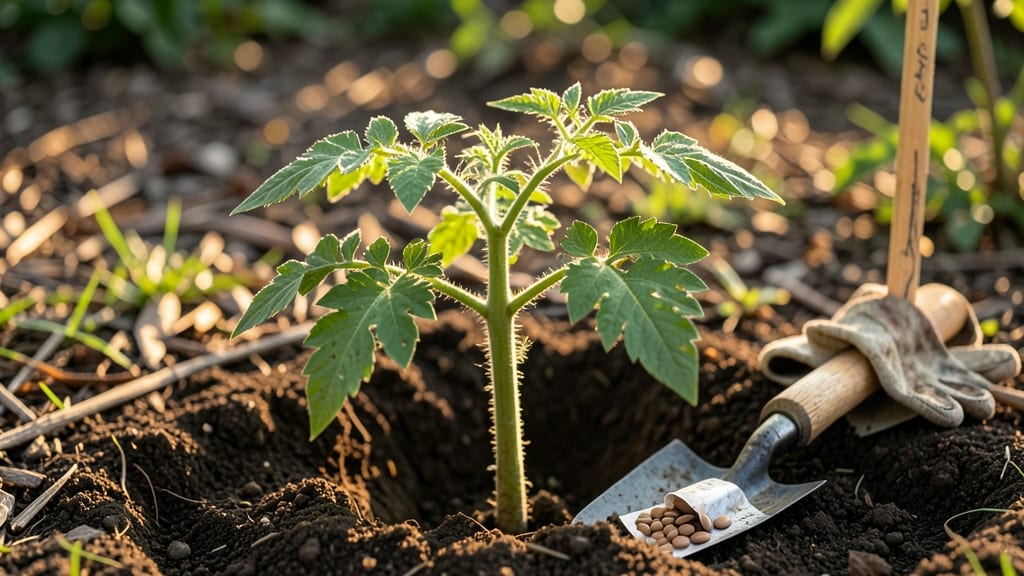
You can plant tomato seeds directly in the ground in warm climates with long growing seasons, but success depends on soil temperatures between 60-85°F, proper spacing, and consistent moisture to support germination and seedling health. Early planting in cold soil risks stunted growth or poor yields.
Direct sowing tomato seeds works best when you live in USDA zones 8-11, where the ground stays warm enough for quick germination. 🌱 The key is patience—if your soil is below 50°F, seeds may rot before sprouting.
I’ve found that waiting until nighttime temperatures stay above 55°F consistently cuts down on failure rates dramatically. For cooler climates, starting seeds indoors 6-8 weeks before the last frost date is the safer bet.
Once the soil is ready, plant seeds ¼ inch deep in loose, well-draining soil with 18-24 inches between plants. Mulching with straw or grass clippings helps retain moisture and regulate soil temperature—critical factors for young seedlings. After germination, keep the soil evenly moist but avoid waterlogging, which can cause disease.
💡 In This Article
- Optimal Soil and Climate Conditions for Direct Tomato Seed Planting
- Step-by-Step Guide for Planting Tomato Seeds Outdoors
Optimal soil and climate conditions for direct tomato seed planting
Tomato seeds need soil temperatures between 60-85°F to germinate efficiently, but they can technically sprout at 50°F—though growth will be sluggish. The magic happens when soil reaches 70°F or higher, where enzymes in the seed activate faster, accelerating germination from 7-14 days to just 5-7 days.
Cold soil (50°F) slows metabolic processes, causing seeds to rot or produce weak seedlings that struggle to compete with weeds. 🌱
Climate plays a huge role—regions like Florida (USDA Zone 9-10) or Southern California (Zone 9-10) are ideal for direct sowing, while Northern climates (Zones 3-5) require indoor starts. Frost is the silent killer: even a light freeze (32°F) can devastate seedlings, so always check your last frost date.
I’ve seen tomato seeds planted too early in Zone 6 sprout, only to be wiped out by a late spring frost—heartbreaking but avoidable with patience.
Testing soil readiness is simple. A soil thermometer (inserted 2 inches deep) gives precise readings, but you can DIY: press a bare foot into the soil—if it’s comfortably warm (like a hot bath), it’s ready.
Dark, damp soil that smells earthy (not musty) is another green light. Amend heavy clay with compost to improve drainage, as waterlogged seeds suffocate. The goal is a crumbly texture that holds moisture without becoming soggy.
Light is equally critical—tomato seeds need 6-8 hours of direct sunlight daily to prevent leggy seedlings. Shade cloth (30-50% coverage) can help in hot climates, but avoid blocking light entirely.
In my garden, I’ve noticed that seedlings grown in partial shade stretch toward any light source, becoming weak and prone to falling over. 💛
Humidity matters too: high moisture speeds germination but risks fungal diseases like damping-off. Aim for 40-60% humidity around seeds. In arid climates, misting seeds lightly twice daily (instead of overhead watering) keeps them moist without drowning them.
A clear plastic dome or row cover can help retain humidity while protecting young plants from wind or pests.
Don’t overlook the role of organic matter. Soil with 2-3% organic content (like well-rotted compost) improves water retention and nutrient availability. I’ve tested this by planting seeds in pure sand versus compost-amended soil—the compost version germinated 3 days faster and produced sturdier seedlings. The difference was striking.