
Plants
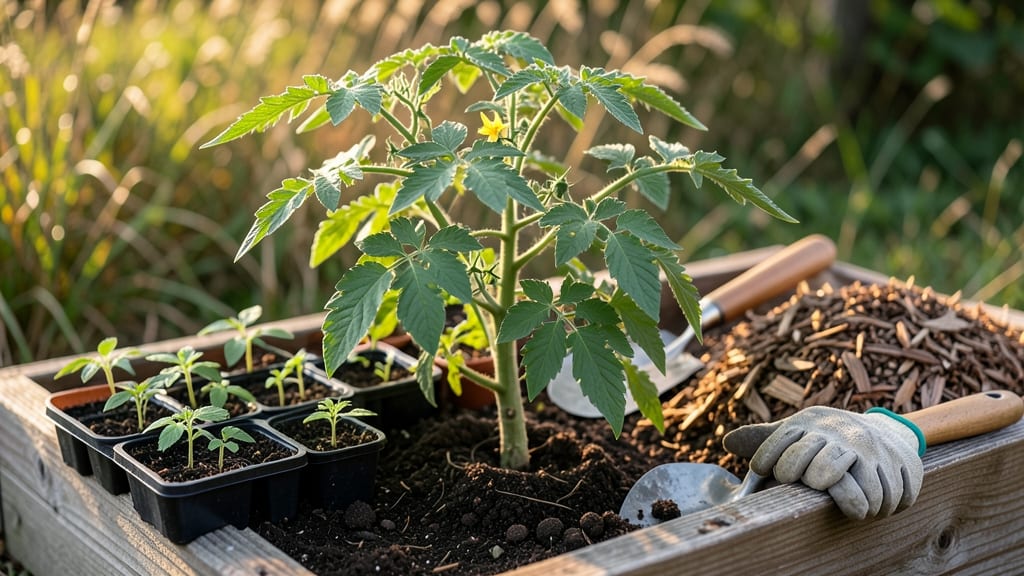
To plant tomato seeds in Washington State, start them indoors 6-8 weeks before your last frost date—typically by late March for most regions, earlier in colder zones like Spokane.
Timing is everything when growing 🍅 in Washington State—plant too early and risk frost damage, too late and miss peak harvests. Follow this zone-specific guide to maximize your garden’s potential and enjoy juicy, homegrown tomatoes all season long.
Washington’s diverse climate means your planting window varies wildly: Puget Sound gardeners can direct-sow by mid-April, while Eastern WA’s high desert waits until May. We’ll break down the exact dates for your USDA zone, plus how to adjust for microclimates like urban heat islands or rainy coastal areas.
You’ll also learn how to prep seedlings for transplanting, protect against late frosts, and even stretch your harvest with succession planting—so you’re picking tomatoes from June through October.
Washington State USDA Zones & optimal tomato seed planting dates by region
Washington State spans USDA Zones 5b through 9a, creating diverse planting windows for tomatoes. The Puget Sound region (Zones 7b-8a) enjoys milder winters, while Eastern WA (Zones 6b-7a) faces earlier frosts. Understanding your zone helps avoid frost damage and maximizes your harvest season.
Tomatoes thrive with 6-8 hours of sunlight daily and warm soil temperatures (60°F+). In Washington, indoor seed starting is ideal for most gardeners, while direct sowing works in the mildest zones. Let’s break down the best planting dates by region to ensure your tomatoes grow strong and productive.
Microclimates play a huge role—urban areas like Seattle (Zone 8a) may have 2-3 weeks earlier planting dates than rural Spokane (Zone 6b). Coastal areas stay cooler longer, while inland valleys (like the Yakima Valley) warm up faster in spring.
For Zone 6b gardeners (like those in Spokane), start seeds March 15 indoors to transplant by May 15. This gives seedlings enough time to harden off before the last frost. In Zone 9a (coastal areas), you can start seeds as early as January 30 and transplant by March 15—a full month earlier than inland zones.
Direct sowing works best in Zones 8a and 9a after April 10, but even here, seedlings perform better when started indoors. The Puget Sound region benefits from extended growing seasons, allowing for late summer varieties like 'Celebrity' or 'Roma' to thrive until first frost in November.
Risk-averse gardeners should add a 2-week buffer to last frost dates. For example, in Zone 7b (Olympia), wait until April 25 to transplant instead of April 15. This extra time ensures your tomato plants aren’t caught by unexpected late frosts, which can devastate young seedlings.
Soil temperature is critical—tomatoes won’t germinate well in cold soil (<55°F). Use a soil thermometer to confirm 60°F+ before transplanting. In Eastern WA, soil warms slower, so consider black plastic mulch to speed up the process and protect young plants.
Pro tip: Succession planting works well in Washington. After your first transplant in April-May, sow a second batch in June for a
Step-by-step guide to starting tomato seeds indoors before Washington’s planting season
Starting tomato seeds indoors gives you a head start on Washington’s short growing season and helps you avoid transplant shock. In USDA Zones 6-9, timing is critical—begin seeds 6-8 weeks before your last frost date to ensure strong, healthy seedlings ready for outdoor planting.
For most of Washington, this means starting seeds between mid-February and early April, depending on your region.
Washington’s varied climate—from cool, wet coastal areas to hotter inland valleys—means you’ll need to adjust your indoor seed-starting schedule. For example, gardeners in Zone 7 (Spokane) should start seeds by early March, while those in Zone 9 (Tacoma) can wait until late March.
Always check your local last frost date and count backward to plan your indoor schedule.
Pick determinate (bush) or indeterminate (vining) varieties suited to Washington’s climate. Examples include 'Cherry Tomato' (fast-growing) or 'Brandywine' (heirloom, needs more time).
You’ll need seed-starting trays, seedling mix, grow lights or a sunny window, plastic domes or plastic wrap, and labels for tracking varieties.
Plant seeds 1/4 inch deep in moist seedling mix, spacing them 1/2 inch apart. Cover lightly with soil and mist with water to keep the mix damp but not soggy.
Place trays in a warm location (70-80°F) with humidity (use a plastic dome or wrap). Germination typically takes 5-10 days. Keep soil consistently moist but avoid overwatering.
Once sprouts emerge, move trays to a bright location with 12-16 hours of light daily. Use grow lights if natural light is insufficient, positioning them 2-3 inches above seedlings.
Begin hardening off 1-2 weeks before transplanting. Gradually expose seedlings to outdoor conditions (wind, sun, temperature fluctuations) for 2-3 hours daily, increasing time each day.
Transplant seedlings when night temps stay above 50°F and soil is at least 60°F. Bury stems deeply (up to the first true leaves) to encourage root growth and space plants 18-24 inches apart.
One of the biggest challenges when starting tomato seeds indoors is damping-off, a fungal disease that causes seedlings to collapse at the soil line. To prevent it, ensure your seed-starting mix is sterile and well-draining, avoid overwatering, and provide good air circulation.
If you notice seedlings wilting or turning brown, remove affected plants immediately and reduce humidity.
After transplanting, monitor your seedlings closely for signs of stress or disease. Yellowing leaves may indicate nutrient deficiencies or overwatering, while stunted growth could signal underwatering or poor light conditions. Adjust your care routine as needed to keep seedlings thriving until they’re ready to produce fruit.
With the right timing and care, your indoor-started tomato seedlings will be robust and ready for Washington’s garden beds by late spring. Soon, you’ll be enjoying homegrown tomatoes straight from your backyard—no grocery store in sight! 🌱