
How To
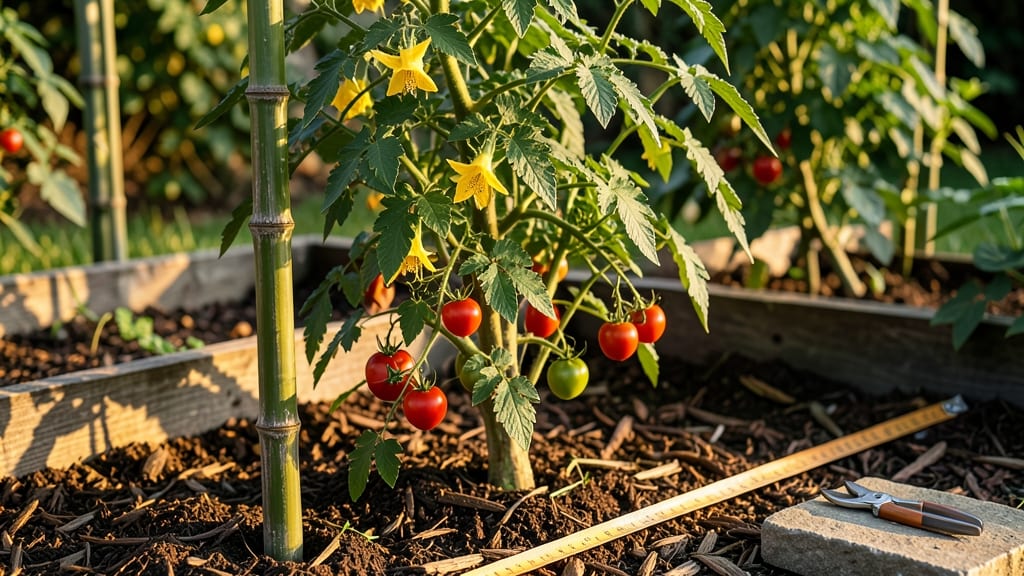
Letting tomato plants grow too tall means fewer tomatoes and more trouble—here’s the height secret that saves your harvest. 🌱 Determinate varieties stop at 3-5 feet, while indeterminate ones can climb to 8-10 feet (or more!) if left unchecked.
The difference isn’t just size—it’s about yield, disease risk, and how much work you’re willing to put in. The right height depends on your space, variety, and whether you’re staking, caging, or letting them sprawl.
Prune indeterminate types to 3-4 main stems for better airflow and sun exposure, and never let them exceed 6 feet unless you’re committed to weekly pruning. Determinate plants? Let them bush out naturally—they’ll ripen all at once, perfect for canning.
Overgrown tomatoes attract pests, develop blight faster, and waste energy on vines instead of fruit. A well-managed plant—whether 4 feet or 8 feet—produces 20-30% more tomatoes and stays healthier.
Start with the right support, prune regularly, and you’ll end up with a plant that’s strong, productive, and easy to maintain—not a tangled mess.
📚 In This Guide
- What you need
- Instructions
- Tips and common mistakes
- Wrapping up and next steps
What you need
- ● Tomato seeds or seedlings: Choose between indeterminate (e.g., 'Sungold', 'Beefsteak') or determinate (e.g., 'Roma', 'Celebrity') varieties based on your space and goals.
- ● Growing containers or garden beds: For indeterminate tomatoes: 5-gallon pots or larger (or deep garden beds with 18–24" spacing between plants).
- ● For determinate tomatoes: 3–5 gallon pots (or 12–18" spacing in garden beds).
- ● High-quality potting mix: A soil-less mix with compost (avoid garden soil—it compacts!). Aim for 1–2 cubic feet per plant.
- ● Fertilizer: Balanced 10-10-10 or 5-10-10 fertilizer for seedlings.
- ● Tomato-specific high-potassium (5-10-10 or 7-9-5) fertilizer once flowering begins.
- ● Staking or trellising system: For indeterminate tomatoes: 6–8 ft wooden stakes, bamboo poles, or tomato cages (5–6 ft tall).
- ● For determinate tomatoes: Shorter cages (3–4 ft) or low stakes (3–4 ft).
- ● Pruning shears or sharp scissors: Sterilized (rubbing alcohol wipe) to avoid disease.
- ● Garden twine or soft plant ties: 100% biodegradable (avoid plastic ties that can girdle stems).
- ● Mulch: Straw or shredded leaves (2–3 inches thick) to retain moisture and suppress weeds.
- ● Watering can or drip irrigation: Even moisture is key! Aim for 1–1.5 inches per week.
- ● Plant supports: Florida Weave or tomato clips for gentle staking.
- ● Succession planting markers: Label seeds/seedlings to track varieties and growth stages.
- ● Shade cloth (30–50% coverage): Protect seedlings from hot afternoon sun if starting early.
- ● Compost tea or mycorrhizal fungi: Boosts root health and nutrient uptake.
- ● Garden journal: Track plant heights, pruning dates, and fruit production!
Instructions for managing tomato plant height by type
Here's how to maximize growth while preventing common mistakes that stunt or overburden your plants.
🌱 Step 1: Identify Your Tomato Variety First
Determinate tomatoes grow to a fixed height—typically 3-5 feet—and produce fruit all at once. These bushy plants naturally top out, making them perfect for cages or stakes. Indeterminate varieties, however, keep growing 6-12+ feet until frost, producing fruit continuously. Check your seed packet or plant tag immediately—this determines everything from support systems to pruning needs.
Real talk: If you planted an indeterminate tomato thinking it was determinate, you'll either have a top-heavy plant collapsing under fruit or a cage too small to contain it. I've seen both disasters—don't let that be you. Take 30 seconds now to confirm your variety before investing in supports.
✂️ Step 2: Prune Determinate Plants Strategically
Determinate tomatoes need minimal pruning—just remove suckers (the small shoots growing between main stems and branches) to improve airflow and reduce disease. Focus on keeping the plant compact and sturdy rather than tall. When you see a sucker larger than your thumb, pinch it off cleanly with your fingers or pruners.
Here's the thing—determinate plants handle pruning poorly. Over-pruning weakens their natural bush structure, which they rely on for support. Limit yourself to removing only the largest suckers (those bigger than 1 inch) and never trim more than 20% of the plant's foliage at once. You'll know you're doing it right when the plant maintains its dense, rounded shape without gaps.
🪴 Step 3: Train Indeterminate Tomatoes for Maximum Height
Indeterminate tomatoes thrive with vertical support—either 6-foot cages, sturdy stakes, or trellises. Install your support structure before planting (or immediately after transplanting) to avoid disturbing roots later. These plants will grow taller than your ceiling, so secure the top with twine or zip ties to prevent toppling.
As the plant grows, tie the main stem to the support every 12-18 inches using soft plant ties or strips of old T-shirt fabric. Never use wire—it cuts into stems as the plant thickens. You'll see the plant's natural growth habit: it will vigorously climb upward while sending out lateral branches where flowers form. This is normal and exactly what you want for continuous harvests.
☀️ Step 4: Monitor Height for Light and Airflow
Both determinate and indeterminate tomatoes need full sun (6-8 hours daily), but taller varieties require extra attention. If your indeterminate plant grows taller than your light source, its lower leaves will yellow and drop—a sign of etiolation (stretching from insufficient light). Move the plant closer to a south-facing window or supplement with a grow light positioned 4-6 inches above the top leaves.
Watch for crowded foliage as the plant grows. When branches grow denser than a fistful of leaves, it's time to thin out some stems. Indeterminate plants can handle more aggressive pruning than determinates—remove weak or crossing branches to let sunlight penetrate to the lower fruit clusters. You'll know you've balanced it right when you can see light reaching the middle of the plant and no leaves touch the ground.
⏰ Step 5: Adjust Height Management by Season
In early summer, indeterminate tomatoes grow most rapidly—this is when you'll need to tie stems weekly to prevent snapping. Determinate varieties will start flowering heavily, so reduce watering slightly (let the top 1 inch of soil dry) to encourage fruit set over leafy growth. Both types benefit from mulching (using 2-3 inches of straw or shredded leaves) to keep roots cool and conserve moisture.
As fall approaches, indeterminate tomatoes will slow their vertical growth but keep producing fruit. Let them grow as tall as they need—even if they exceed your support system. You can bend the main stem downward (a technique called "topping") to redirect energy into ripening existing fruit, but this only works if your variety is still producing. Determinate plants will naturally slow growth as days shorten—stop pruning entirely once they've finished flowering to let energy go into ripening the fruit cluster.
Tips & tricks for perfect tomato plant growth Management
These practical insights will help you avoid common mistakes that can stunt your tomato plants or make them top-heavy.
Variety-Specific Support: For determinate tomatoes, invest in sturdy 3-5 foot cages or 5-foot stakes—these plants naturally top out at that height. For indeterminate varieties, go for 7-8 foot cages or tall trellises that can handle their 6-12+ foot growth. I learned this the hard way after watching a 10-foot indeterminate collapse under its own fruit weight. Install supports before planting to avoid root disturbance later.
Pruning Precision: When managing determinate plants in Step 2, focus on removing only suckers larger than 1 inch—these are the aggressive side shoots that compete with fruit production. Never trim more than 20% of foliage at once, or you'll weaken the plant's natural bush structure. For indeterminate varieties in Step 3, tie stems every 12-18 inches using soft fabric strips—this prevents snapping during their rapid summer growth. I've seen plants snap cleanly at the stem when using wire ties, so always use gentle materials.
Light Management: Both varieties need 6-8 hours of full sun daily, but indeterminate plants require extra attention. If your plant grows taller than your light source, its lower leaves will yellow—a sign of etiolation. Move the plant closer to a south-facing window or add a grow light 4-6 inches above the top leaves. This simple adjustment can save your plant from becoming leggy and weak. I've had to relocate plants mid-season when summer shade crept in unexpectedly.
Seasonal Adjustments: In early summer, indeterminate plants grow most rapidly, so tie stems weekly to prevent snapping. For determinate varieties, reduce watering slightly (let the top 1 inch of soil dry) to encourage fruit set over leafy growth. As fall approaches, indeterminate plants will slow vertical growth but keep producing fruit—let them grow naturally, even if they exceed your support system. This is when you can optionally practice "topping" by bending the main stem downward to focus energy on ripening existing fruit.
Pro Tips for How Tall Should You Let Tomato Plants Grow
- These practical insights will help you avoid common mistakes that can stunt your tomato plants or make them top-heavy.
- Variety-Specific Support: For determinate tomatoes, invest in sturdy 3-5 foot cages or 5-foot stakes—these plants naturally top out at that height.
- Pruning Precision: When managing determinate plants in Step 2, focus on removing only suckers larger than 1 inch—these are the aggressive side shoots that compete with fruit production.
Frequently asked questions
about tomato plant height—because every gardener’s got questions! Here are the most common ones to help you grow like a pro.What’s the ideal height for indeterminate tomato plants?
Indeterminate tomatoes can grow very tall—sometimes 6 to 10 feet or more! Let them climb until fall, but prune suckers (side shoots) to focus energy on fruit. Stop training them at 5–6 feet if your trellis or cage isn’t tall enough, or they’ll flop over. Just keep harvesting regularly to encourage more growth!
How tall should determinate tomato plants grow?
Determinate tomatoes are the "set it and forget it" type—they max out at 3–5 feet tall and produce fruit in one big flush. Once they hit maturity (usually after flowering), they’ll stop growing. No pruning needed! Just stake or cage them early to support their weight.
When should I stop letting my tomato plant grow?
For indeterminate varieties, stop training them when:
- Frost threatens (they’re frost-sensitive!).
- They’ve outgrown your support system (e.g., a 6-foot cage).
- You notice heavy leaf drop or yellowing (signs of overgrowth or disease).
Can I prune my tomato plant if it’s already too tall?
Yes, but act fast! If your plant’s toppling or diseased, prune aggressively:
- Cut back 1/3 of the height to reduce weight.
- Remove diseased leaves (sterilize shears with rubbing alcohol!).
- Focus on keeping the bottom 1–2 feet healthy for airflow.
What if my climate limits how tall my tomatoes can grow?
Short on space or heat? No problem! Try these tweaks:
- Dwarf varieties (like ‘Tiny Tim’ or ‘Patio’) stay under 2 feet.
- Use container gardening with compact cages (3–4 feet tall).
- In hot climates, prune early to shade the soil and keep plants cooler.
- For cold regions, grow early-maturing varieties and harvest before frost.
Wrapping up and next steps
Finding the perfect height for your tomato plants is all about balancing growth potential and practical care—whether you’re working with sprawling indeterminate varieties or compact determinate ones. 🌱 The key takeaway? Prune or support your plants based on their type, space, and your gardening goals, ensuring they thrive without overpowering your garden or becoming unmanageable.
With the right techniques, you’ll enjoy a bountiful harvest while keeping your plants happy and healthy!
Ready to put your new knowledge into action? Start by assessing your garden space and tomato types, then grab your pruners and get growing! 🌿 Whether you’re a seasoned gardener or just starting out, every snip and stake brings you closer to a delicious, homegrown harvest.