
Plants
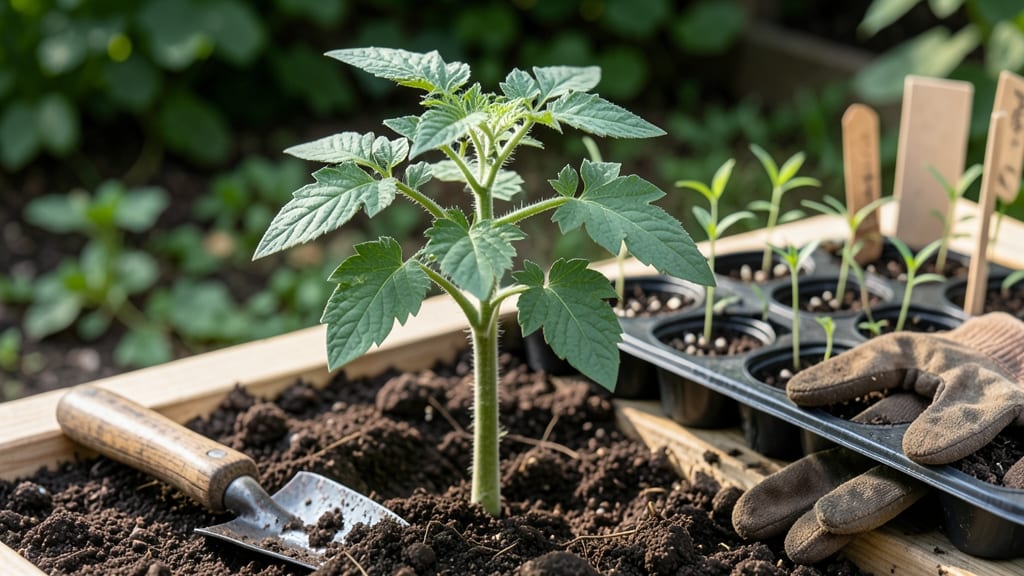
To plant tomato seeds in Tennessee, start them indoors 6-8 weeks before your last frost date—typically by early February for most of the state.
Picture this: you’ve just tucked your 🍅 tomato seedlings into the garden bed, only for a late spring frost to nip them back. Or worse, you wait too long, and the summer heat arrives before your plants even set fruit.
In Tennessee’s USDA Zones 6a-7b, timing isn’t just about the calendar—it’s about the weather patterns that can shift faster than you think.
East Tennessee’s cooler springs demand an earlier start, while West Tennessee’s longer growing season lets you push transplanting later. The key? Knowing your frost-free date, adjusting for soil warmth, and choosing varieties that match your region’s heat tolerance.
Get this right, and you’re on track for a harvest from June through October.
Below, I break down the exact dates for starting seeds indoors, transplanting outdoors, and even how to stretch your season with row covers—so you can avoid the common mistakes (and heartbreak) that come with planting too early or too late.
Best indoor seed starting dates for Tennessee tomatoes (Zone 7a-7b)
Tennessee’s Zone 7a-7b climate demands precise timing for indoor tomato seed starting. The last average frost date typically falls between March 15-30, but microclimates—especially in East Tennessee’s higher elevations—can push this back to April 15.
To avoid leggy seedlings or frost damage, I start seeds indoors 6-8 weeks before your local last frost date.
For most of Tennessee, this means starting seeds between January 20 and February 20. However, gardeners in East Tennessee’s cooler microclimates (like Sevier County) should delay until February 15-March 1.
Heat-loving varieties like ‘Celebrity’ or ‘Solar Fire’ can tolerate later starts, while early-season types like ‘Stupice’ need the full 8 weeks.
Use this 6-8 week window to calculate your start date: subtract 56-63 days from your last frost date. For Nashville (Zone 7a), aim for February 1; for Memphis (Zone 7b), January 25 works best. Adjust for unpredictable late frosts by having backup dates ready.
| Region | Last Frost Date | Indoor Start Window | Notes |
|---|---|---|---|
| West Tennessee (Memphis, Jackson) | March 15 | January 25 - February 10 | Warmer microclimates; use grow lights |
| Middle Tennessee (Nashville, Chattanooga) | March 22 | February 1 - February 15 | Moderate risk of late frosts |
| East Tennessee (Knoxville, Sevier) | April 1 | February 15 - March 1 | Cooler nights; extend with row covers |
| All Regions (Heat-Tolerant Varieties) | April 15 (succession) | March 1 - March 15 | For ‘Solar Fire’, ‘Heatmaster’ |
When starting seeds indoors, I use seedling trays with bottom heat mats set to 70-75°F. Tennessee’s humid climate increases the risk of damping off, so I sterilize trays with a 10% hydrogen peroxide solution before sowing. Use well-draining seed-starting mix (never garden soil) to prevent fungal issues.
Provide 14-16 hours of light daily using grow lights or a south-facing window. Without enough light, seedlings become leggy and weak, struggling to support heavy tomato fruit later. I harden off seedlings 10-14 days before transplanting by gradually exposing them to outdoor conditions for 2-3 hours daily.
For East Tennessee’s cooler springs, consider using black plastic mulch or row covers to warm soil faster. In West Tennessee’s heat spikes, prioritize shade cloth during transplanting to prevent shock. Always monitor soil temperatures—tomatoes need 50°F+ for roots and 60°F+ for germination.
If you miss the ideal window, don’t panic! Tennessee’s long growing season allows for succession planting. For late starts, choose determinate varieties like ‘Roma’ or ‘Patio’ that mature faster (60-70 days). These can be started as late as April 15 for a summer harvest before fall’s first frost.
Track your local microclimate variations by checking Tennessee State University’s frost maps or using a home weather station. In my Nashville garden, I’ve seen late April frosts push back transplanting by 2 weeks, so flexibility is key.
Adjust your timeline based on real-time weather patterns, not just averages.
Remember: healthy seedlings start with timing. Rush the process, and you’ll end up with stunted plants or blossom-end rot from stress. Take your time, and your tomato plants will reward you with bountiful harvests from June to October. 🌱🍅
Outdoor transplanting schedule: when to move seedlings in Tennessee
Timing your tomato seedlings for outdoor transplanting in Tennessee requires patience and precision. The last average frost date typically falls around March 15 in most regions, but East Tennessee's higher elevations can experience frost until April 1.
Always confirm your local frost date using the Tennessee State Climatology Office resources.
For healthy transplants, aim to move seedlings outdoors 2-3 weeks after your last frost date when soil temperatures consistently reach at least 50°F. This timing allows roots to establish before summer's intense heat arrives, giving your plants a strong foundation for fruit production.
⚠️ callout-warning ⚠️
Warning: Late frosts can still occur in April, especially in East Tennessee's valleys. Use frost cloth for protection if nighttime temps drop below 32°F. Monitor the National Weather Service for 60°F+ soil temperature confirmation before transplanting.
Before transplanting, harden off your seedlings by placing them outdoors in partial shade for 2-3 hours daily, gradually increasing exposure over 7-10 days. This process helps prevent transplant shock from sudden temperature changes. Choose a cloudy day for the actual transplant to minimize stress on delicate seedlings.
For optimal growth, select a sunny location with 6-8+ hours of direct sunlight and well-draining soil. Amend your garden beds with compost or aged manure 1-2 weeks before transplanting to provide essential nutrients.
Plant seedlings 12-18 inches apart in rows spaced 24-36 inches apart to allow for proper airflow and future vine growth.
After transplanting, water deeply to settle the soil and eliminate air pockets around roots. Apply 1-2 inches of mulch (straw or shredded leaves) to retain moisture and regulate soil temperature. Avoid overhead watering to prevent fungal diseases like early blight, which thrives in Tennessee's humid conditions.
Monitor your transplanted seedlings closely for the first 10-14 days, watching for signs of stress like yellowing leaves or wilting. If nighttime temperatures drop below 50°F after transplanting, use row covers to protect young plants.
With proper timing and care, your tomato seedlings will establish strong root systems and begin producing fruit by late June or early July.