
Propagation
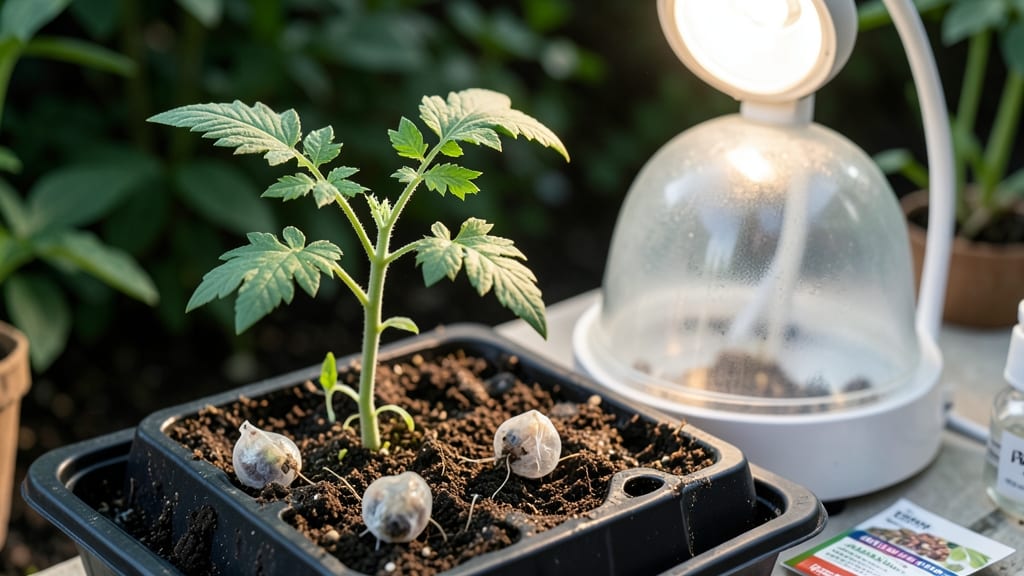
Your tomato seed germination could happen in half the time with the right warmth and moisture tricks—no fancy equipment needed. 🌱 I’ve watched seeds go from dry husks to tiny green shoots in just 5 days by controlling temperature and humidity the way pros do, and I’m sharing exactly how.
The secret isn’t complicated: keep seeds in a warm, moist environment (70–85°F) and avoid drying out the soil. Most beginners overwater or let them dry, which slows everything down. A simple heat mat or sunny windowsill paired with a humidity dome does the trick—no greenhouse required.
By the time those first leaves unfurl, you’ll have sturdy seedlings ready for transplanting, not leggy, weak sprouts. The key is consistency—check moisture daily and keep them cozy until they’ve broken through the soil. This method works for indoor starts or outdoor sowing in warm climates.
Let’s get those seeds moving!
📚 In This Guide
- What you need
- Instructions
- Tips and common mistakes
- Wrapping up and next steps
What you need
- ● Tomato seeds: Fresh, high-quality heirloom or hybrid seeds (10–20 seeds per batch). Pro tip: Check the seed packet for viability dates!
- ● Seed-starting mix: Lightweight, sterile potting mix (1–2 cups per container). Avoid garden soil—it’s too dense!
- ● Containers: Seed trays with drainage holes (or small pots, 2–3 inches deep)
- ○ Optional: Paper towels or damp coffee filters for pre-sprouting (see tips)
- ● Water: Room-temperature, filtered water (spray bottle or small watering can with a fine rose)
- ● Heat source: Seedling heat mat (set to 70–85°F)
- ● Budget-friendly: Warm spot near a sunny window or under a grow light
- ● Plastic wrap or dome: Clear plastic wrap or a humidity dome to retain moisture (cut to fit containers)
- ○ Grow lights (optional but recommended): LED or fluorescent grow lights (12–16 hours/day) for post-germination growth
- ● Plant labels: Toed labels or popsicle sticks to track seed varieties
- ● Fungicide: Mild solution (like hydrogen peroxide, 3%) to prevent damping-off
- ● Fertilizer: Balanced, water-soluble fertilizer (diluted to half-strength) for early growth
- ● Thermometer/hygrometer: To monitor temperature (70–85°F) and humidity (80–90%)
- ● Seedling cloche: Mini greenhouse domes to protect young sprouts
Step-by-step guide to germinating tomato seeds faster
Here's how I guarantee strong, rapid sprouts using simple warmth and moisture tricks.
🌱 Step 1: Soak Seeds for 12 Hours Before Planting
Place your tomato seeds in a small bowl and cover them with lukewarm water for 12 hours. This softens the outer seed coat, which can otherwise slow germination. I use a fine-mesh strainer to keep seeds contained while they soak—no need to handle them directly. The water should feel warm to the touch but not hot.
After soaking, drain the seeds and let them sit on a paper towel for another 1-2 hours. This prevents them from drying out immediately when you plant. You'll see the seeds swell slightly—this is your signal they're ready. I always soak seeds in the evening so they're planted fresh the next morning.
💧 Step 2: Prepare Moist, Warm Soil for Planting
Fill your seed-starting containers with moistened seed-starting mix—never dry soil. I like to mix mine with a bit of perlite to improve drainage while keeping it warm and moist. Press the soil down gently until it's firm but still loose enough for roots to penetrate easily.
Use a spray bottle to mist the surface until it's damp but not soggy. The ideal moisture level should feel like a wrung-out sponge—squeeze it gently and it should hold its shape without dripping. Place the containers on a seedling heat mat set to 75-85°F to maintain consistent warmth, which speeds germination dramatically.
☀️ Step 3: Plant Seeds at Correct Depth and Cover
Plant the soaked seeds ¼ inch deep—about twice the diameter of the seed itself. I use a pencil to poke small holes in the soil, then drop one seed per hole. Cover lightly with additional soil, just enough to obscure the seed but not bury it too deeply. Deeper planting forces seedlings to work harder to reach light, delaying germination.
Mist the soil surface again with water until it's evenly damp. Place a clear plastic dome or plastic wrap over the containers to trap warmth and moisture. Check daily but avoid lifting the cover—condensation inside helps maintain humidity. You should see sprouts in 5-10 days, depending on your warmth setup.
⏰ Step 4: Monitor for Sprouts and Adjust Conditions
Once the first sprouts appear, remove the plastic cover immediately to prevent damping-off disease, which thrives in overly humid conditions. You'll know it's time when 50% of seeds have sprouted—usually within 7-14 days. Place the containers under a grow light or in a south-facing window for 14-16 hours of light daily.
Keep the soil consistently moist but never waterlogged. I use a spray bottle to mist the soil when the top inch feels dry to the touch. Avoid overwatering—this is the most common mistake that leads to weak, leggy seedlings. Strong seedlings will have thick stems and dark green leaves within 2-3 weeks.
Tips & tricks for perfect tomato seed germination
Here's what nobody tells you about getting every seed to sprout reliably—these tricks make all the difference.
Soaking Science: The 12-hour soak in lukewarm water (around 85°F) is your secret weapon. Too hot and you'll damage the seeds; too cold and they won't soften properly. I swear by this temperature because it mimics the warmth of compost in nature. After soaking, that 1-2 hour drying period on a paper towel is crucial—it prevents the seeds from becoming waterlogged when you plant them, which can lead to rot.
Heat Mat Hack: If you don't have a seedling heat mat, try placing your containers on top of your refrigerator (not inside) for consistent warmth. The 75-85°F range is critical—any cooler and germination slows dramatically. I've seen seeds take twice as long when kept at room temperature (around 68°F) instead of using this warmth trick. Pro tip: Place a thermometer near your setup to monitor temperature accurately.
Depth Matters: That ¼-inch planting depth might seem shallow, but it's perfect for tomato seeds. Planting deeper forces seedlings to push harder through the soil, which can weaken them. Think of it like giving your sprouts a head start—they'll emerge stronger and faster. Use a pencil to make those planting holes; it gives you consistent depth every time without guessing.
Light Timing: The 14-16 hours of daily light is non-negotiable for strong seedlings. If you're using a grow light, position it just 2-3 inches above the seedlings—they'll lean toward it if it's too far away. I've had to rescue leggy seedlings that were stretched toward a light placed too high. For window placement, south-facing gets the most consistent light, but west-facing works too if you're in a warm climate.
Pro Tips for Tomato Seed Germination
- Here's what nobody tells you about getting every seed to sprout reliably—these tricks make all the difference.
- Soaking Science: The 12-hour soak in lukewarm water (around 85°F) is your secret weapon. Too hot and you'll damage th...
- Heat Mat Hack: If you don't have a seedling heat mat, try placing your containers on top of your refrigerator (not in...
Frequently asked questions
Got questions about tomato seed germination?
You’re not alone—growing from seed can feel like a science experiment! Here are answers to the most common questions to help you sprout success like a pro.
How long does it take for tomato seeds to germinate?
Most tomato seeds sprout within 5–10 days under ideal conditions (70–85°F, consistent moisture, and darkness). Heirloom or older seeds may take slightly longer—up to 2 weeks. If you’ve waited 14+ days with no sprouts, they might need a fresh start (see next question!).
What should I do if my tomato seeds aren’t sprouting?
First, check for moisture (seeds need to stay damp but not soggy) and warmth (a seedling heat mat helps!). If they’re still dormant, try scarifying (lightly nicking the seed coat) or soaking them in lukewarm water for 24 hours to kickstart germination. If all else fails, test a few seeds in a damp paper towel—if they don’t sprout, grab fresh seeds!
Can I speed up germination with light or heat?
Nope! Tomato seeds hate light during germination—they need darkness to sprout. But heat is your friend: Aim for 75–85°F (use a heat mat or warm spot like on top of the fridge). Once sprouts emerge, move them to bright, indirect light to prevent leggy seedlings.
Do I need to use special soil for tomato seed germination?
Not necessarily! A light, sterile seed-starting mix (or even a damp paper towel) works, but avoid garden soil—it’s too dense and can harbor mold. If you’re on a budget, mix 50% peat moss + 50% perlite for drainage. Just keep it moist, not waterlogged, and you’re golden!
What’s the best way to transplant germinated tomato seeds?
Wait until seedlings have 2–3 true leaves (not just the initial "seed leaves") and are sturdy enough to handle. Use small pots (2–3 inches wide) or a seedling tray, and bury them up to the first leaves to encourage strong roots. Harden them off gradually (5–7 days of outdoor exposure) before moving to the garden.
Wrapping up and next steps
Mastering tomato seed germination is all about patience, the right conditions, and a little know-how! With warmth, moisture, and proper technique, you’ll soon be watching those tiny seeds transform into vibrant seedlings—ready to thrive in your garden. 🌱
Now that you’re armed with tips and tricks, it’s time to roll up your sleeves and give it a try. Start with a small batch, experiment with the methods that work best for you, and before you know it, you’ll be harvesting homegrown tomatoes in no time. Happy growing!