
Plants
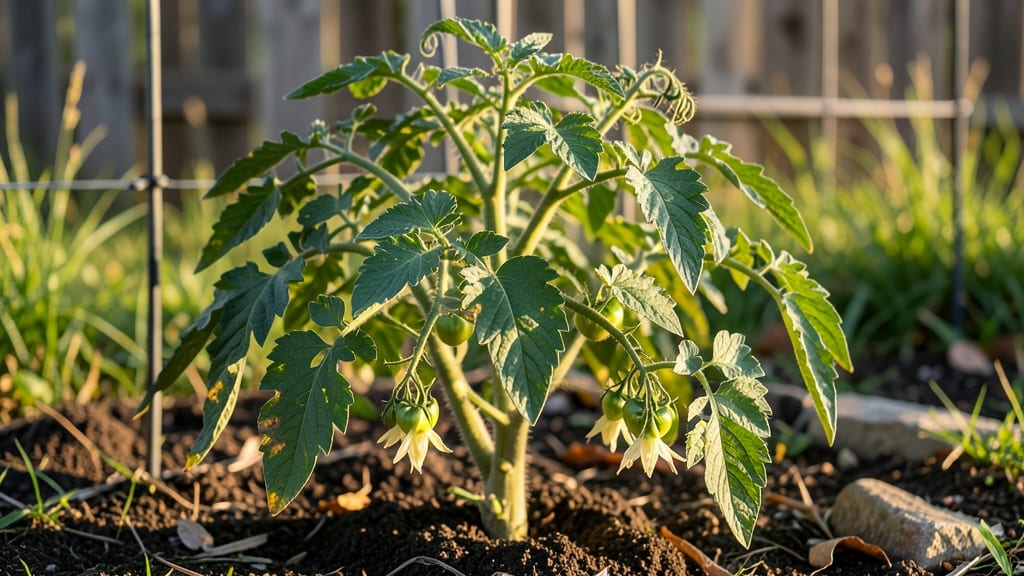
Champion tomato plants are prized for their high-yield, disease-resistant fruits that deliver consistent quality, especially in warm climates. These indeterminate varieties thrive with sturdy support, and proper spacing (18-24 inches) plus timely harvesting—when fully colored and slightly soft—maximizes both flavor and productivity.
These hybrid varieties stand out because their genetics combine heat tolerance with resistance to common diseases like fusarium and verticillium wilt, which plague many heirloom tomatoes. 🌱 Their indeterminate growth means they keep producing fruit all season long if given proper care—think of them as the workhorses of the tomato world.
Unlike determinate varieties that produce all at once, Champion tomatoes stretch your harvest from early summer through fall, making them ideal for gardeners who want steady yields without the risk of sudden overproduction.
To get the most from your Champion plants, focus on planting after the last frost when soil temperatures hit 60°F consistently. Use a trellis or cage system to support their sprawling vines, and prune regularly to improve airflow—this reduces disease risk and directs energy into fruit production.
I’ve found that a balanced fertilizer (like 10-10-10) applied every 4-6 weeks keeps them thriving, while consistent 1-2 inches of water per week prevents blossom-end rot.
💡 In This Article
- Champion Tomato Variety Traits and Disease Resistance
- Optimal Champion Tomato Planting and Pruning Schedule
Champion tomato variety traits and disease resistance
Champion tomatoes are hybrid varieties specifically bred to combine heat tolerance with robust disease resistance, making them ideal for regions with warm summers where traditional heirlooms often struggle.
Their genetics incorporate resistance to fusarium wilt and verticillium wilt, two soil-borne diseases that can devastate tomato crops by blocking water and nutrient uptake through the plant's vascular system.
This resistance comes from carefully selected parent lines that have shown immunity in field trials, particularly in areas with high humidity and temperatures exceeding 85°F.
Their indeterminate growth habit sets them apart from determinate varieties like Roma or Bush Early Girl. Instead of producing all fruit at once and then stopping, Champion tomatoes grow continuously throughout the season, sending out new vines and flowers as long as conditions allow.
This means a single plant can produce 20-30 pounds of fruit over a 6-8 month period—far exceeding the 5-10 pounds typical of determinate varieties. The trade-off? They require sturdy trellising (like 6-foot cages or strong stakes) to support their 6-10 foot vines without breaking under the weight of heavy fruit.
What makes Champion tomatoes particularly impressive is their consistent fruit quality even under stress.
Unlike heirlooms that may develop irregular shapes or flavors when exposed to heat or disease pressure, Champion tomatoes maintain their uniform size (2-3 inches in diameter), bright red color, and sweet-tart flavor profile with a 5-6% sugar content.
This consistency is due to their hybrid vigor—a phenomenon where the offspring of two different parent plants exhibit stronger growth, better adaptability, and more predictable traits than either parent alone. 🌱
When comparing to other varieties, Champion tomatoes outperform many heirlooms in disease resistance but may lack the complex flavor depth found in varieties like Brandywine or Cherokee Purple. However, they excel in productivity and reliability, making them a favorite for commercial growers and home gardeners alike.
Their resistance to common tomato diseases means fewer chemical interventions, which appeals to organic gardeners seeking sustainable solutions. The key trade-off? While heirlooms offer unique flavors, Champion tomatoes deliver predictable, high-volume harvests with minimal fuss.
Here's what's actually happening at the genetic level: Champion tomatoes inherit Vf gene resistance from one parent, which provides immunity to fusarium wilt, while another parent contributes Mi-1.2 gene resistance against nematodes and some viruses.
This genetic stacking creates a plant that can thrive in USDA Hardiness Zones 5-10, where many heirlooms would fail. The result? A tomato that keeps producing even when other plants in the garden are wilting under heat or disease pressure.
For gardeners in hot climates, Champion tomatoes are a game-changer because they continue flowering and fruiting when temperatures dip below 55°F at night—a common issue with many heat-sensitive varieties. Their ability to set fruit across a wider temperature range means you'll get continuous harvests rather than a single peak season.
This makes them perfect for container growing in urban areas or for gardeners with limited space who want maximum yield.