
How To
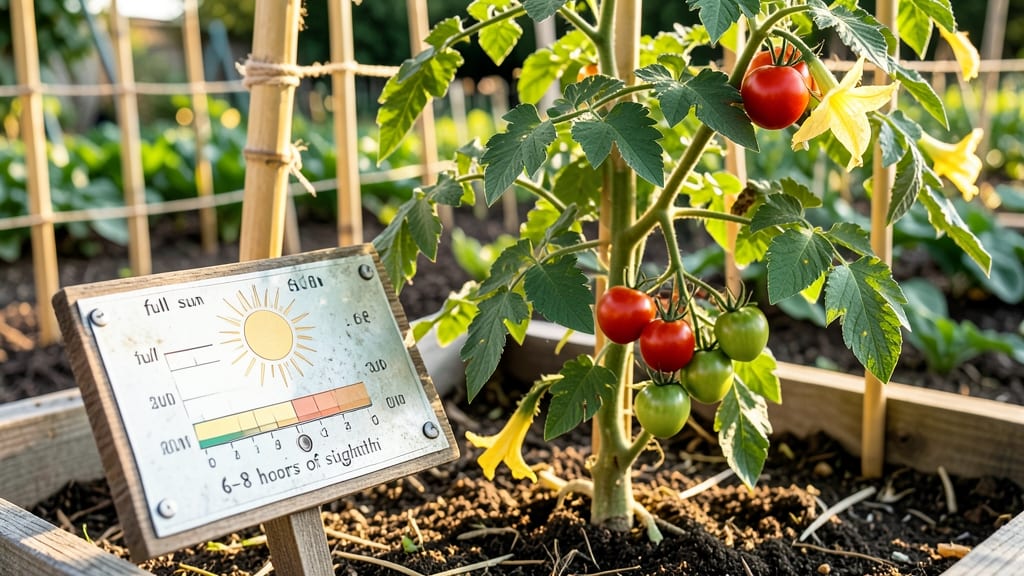
A tomato plant needs how many hours of sun does a tomato plant need—6 to 8 hours of direct sunlight daily—to produce sweet, flavorful fruit 🍅 — and getting that balance right is the difference between a bountiful harvest and a disappointing one.
Picture this: you’ve spent weeks nurturing your seedlings, only to watch them stretch toward the sky like they’re reaching for a light switch. That’s your first clue that they’re not getting enough sun.
Too little light means weak stems, pale leaves, and fruit that tastes more like water than a summer tomato should.
But here’s the catch: too much sun can be just as harmful, especially in hot climates. Scorched leaves and blossom drop are common signs your plants are getting burned. The key is finding that sweet spot—enough light to fuel growth without overheating the plant.
In this guide, I’ll break down exactly how many hours of sun your tomatoes need, how to tell if they’re getting the right amount, and what to do if your garden doesn’t have enough sunlight. You’ll learn how to maximize fruit production, even in less-than-ideal conditions.


The science-backed sunlight range for tomato plants: how many hours are ideal?
Tomatoes are sun-worshippers—they crave sunlight like a desert plant craves water. Research shows 6-8 hours of direct sunlight daily is the sweet spot for optimal photosynthesis, fruit development, and disease resistance.
But here's the catch: not all tomatoes are created equal. Indeterminate varieties (like 'Better Boy') need more light to keep producing, while determinate types (like 'Roma') can handle slightly less. Let's break down the science so you can give your plants the perfect light prescription.
Sunlight isn't just about hours—it's about intensity and consistency. Morning sun (6 AM–12 PM) is gentler, while afternoon sun (12 PM–6 PM) packs more heat. Tomatoes need both for balanced growth. Too little light leads to leggy plants and poor fruit set, while too much can scorch leaves.
The key is finding that goldilocks zone where your plants get enough energy without stress. Let's explore how to measure sunlight accurately and adjust for your specific variety.
🌱 Did You Know? Tomatoes convert sunlight into energy through chlorophyll in their leaves. With 6+ hours of sun, they produce 20-30% more fruit than those with only 4 hours. That's why your neighbor's bushy plants might outperform yours—it could be a simple sunlight advantage!
If you're measuring sunlight in your garden, use this simple test: place a white board where your tomatoes will grow and mark the sunlit areas every hour. If 60-80% of the board is shaded at any time, you're in the partial sun range.
For full sun spots, aim for 80%+ direct light during peak growing months (June-August). My go-to tool is a solar light meter—it gives precise readings in lux (tomatoes thrive at 32,000-50,000 lux).
Seasonal adjustments are crucial. In spring and fall, when days are shorter, supplement with a reflective surface (like white plastic mulch) to bounce extra light onto leaves. During summer's peak heat, indeterminate varieties may need afternoon shade (30-50%) to prevent leaf scorch.
I've seen blossom drop increase by 40% when plants get too much midday sun in 90°F+ weather. Pro tip: Use shade cloth only between 12 PM–4 PM to maintain photosynthesis while reducing heat stress.
For container-grown tomatoes, rotate pots weekly to ensure even sunlight exposure. South-facing windowsills get 6-8 hours of sun, but east or west exposures may only deliver 4-6 hours. If your balcony gets less than 6 hours, consider grow lights (LED full-spectrum) for 4-6 hours daily.
I've had success with 12-inch LED clips placed 6 inches above plants—just don't let them run overnight, as tomatoes need darkness to rest.
Watch out for misleading shade from nearby structures. A 6-foot fence can cast a 10-foot shadow at peak sun. Use a shadow tracking app to map your garden's light patterns throughout the day
Signs your tomato plants aren’t getting enough (or too much) sun
Your tomato plants might be silently screaming for help if they’re not getting the right amount of sunlight. Yellowing leaves, weak stems, and slow growth are classic signs of sunlight deficiency, while scorched leaves and blossom drop signal overexposure.
Both extremes can ruin your harvest, so let’s decode the clues your plants are giving you.
First, check the color of your leaves. If the lower leaves turn yellow or pale green, your plants are likely craving more sunlight. This happens because the plant stretches toward light, creating leggy, weak stems that struggle to support fruit.
On the flip side, white or crispy brown patches on leaves mean your tomatoes are getting too much direct sun, especially during hot afternoons.
Here’s how to diagnose and fix the issue:
✅ Enough Sunlight
- 6-8 hours of direct sunlight daily
- Dark green leaves, sturdy stems
- Healthy blossoms and fruit set
- No yellowing on lower leaves
Ideal for tomato growth and fruit ripening. Use south-facing garden beds or containers.
❌ Too Little Sunlight
- Leggy stems reaching upward
- Yellow leaves (chlorosis)
- Small, bitter fruit or none at all
- Weak growth, sparse foliage
Move plants to sunnier spots or use reflective surfaces (like mirrors) to bounce light.
❌ Too Much Sunlight
- Scorched leaves (white/brown patches)
- Blossom drop (flowers fall off)
- Sunburned fruit (green patches)
- Stunted growth from heat stress
Provide light shade (30-50%) during peak afternoon sun or use shade cloth.
💡 Pro Tip
For container tomatoes, rotate pots weekly to ensure even sunlight exposure. Use LED grow lights (12-16 hours/day) if natural light is insufficient.
If your plants are stretching toward light, try relocating them to a sunnier spot or prune nearby plants blocking sunlight. For over-exposed tomatoes, use a lightweight shade cloth (30% shade) during the hottest hours (12 PM–4 PM).
Avoid plastic sheets, as they trap heat and stress the plant further.
Pay attention to fruit development too. Tomatoes need sunlight to ripen properly. If your fruit stays green or develops blossom end rot, it’s a sign of inconsistent light or water stress. Adjust your care routine to keep your plants happy and productive all season long.
With the right balance of sunlight, your tomato plants will reward you with juicy, flavorful fruit and lush growth. Keep an eye on those leaves, and don’t hesitate to tweak their environment as needed—your future tomato sandwiches will thank you!