
Companion Plants
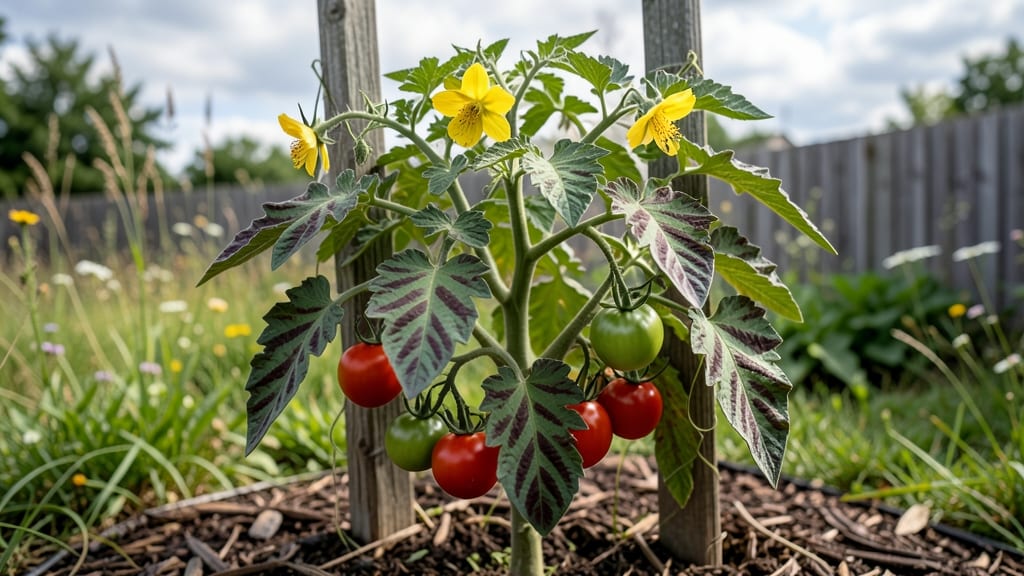
Transform your garden into a flavor explosion with the Chocolate Stripes tomato plants—deep red fruit bursting with smoky, chocolatey undertones. 🌱 This heirloom variety isn’t just striking—it’s packed with disease resistance and a taste that’ll make you question store-bought tomatoes forever.
The key lies in matching its bold personality with the right care: rich soil, consistent moisture, and strategic pruning to keep energy flowing into fruit rather than foliage.
Start with well-draining soil amended with compost—Chocolate Stripes thrives when its roots can stretch freely without waterlogging. Plant in full sun (6-8 hours daily) and stake early, as the plants grow 4-5 feet tall with heavy fruit loads.
Water at the base, not overhead, to prevent cracking and disease, and fertilize lightly every 2-3 weeks with balanced organic feed once flowers appear. The real magic happens when you let the plant focus on fruit production rather than excess leaves.
By midsummer, you’ll be harvesting 1-2 pound tomatoes with a flavor so rich it feels like a secret. The plants handle heat and humidity better than many varieties, but watch for blossom end rot—calcium supplements and even watering solve this fast.
Prune suckers regularly to improve airflow, and you’ll avoid most fungal issues while maximizing yield. The result? A garden that tastes like a gourmet recipe, not just another tomato plant.
This variety shines in warm climates but adapts well to cooler zones with proper winter protection. Whether you’re a beginner or a seasoned grower, Chocolate Stripes delivers bold flavor and reliability—just don’t be surprised if neighbors start asking for cuttings.
The care pays off in tomatoes that taste like summer in every bite.
📚 In This Guide
- What you need
- Instructions
- Tips and common mistakes
- Wrapping up and next steps
What you need
- ● Tomato plants: 3–5 healthy Solanum lycopersicum plants (determinate or indeterminate varieties work best). Choose disease-resistant types like 'Celebrity' or 'Roma' for extra resilience.
- ● Cocoa powder (unsweetened): 1–2 cups (organic, non-alkalized preferred for purity). Avoid Dutch-processed cocoa, as it may contain additives.
- ● Water: 1 gallon (for mixing the cocoa solution). Use rainwater or filtered water if possible.
- ● Spray bottle or watering can: With a fine-mist nozzle for even application.
- ● Garden gloves: 1 pair (nitrile or rubber, to protect your hands from cocoa residue).
- ○ Pruning shears: Small, sharp pair for trimming excess foliage (optional but helpful).
- ● Measuring cups/spoons: For precise cocoa-to-water ratios.
- ● Strainer or cheesecloth: To filter out cocoa clumps before spraying.
- ○ Epsom salt: 1 tbsp (optional, adds magnesium for healthier plants). Mix into the cocoa solution.
- ● Chalk or marker: To outline stripe patterns on stakes or plant supports (for artistic flair!).
- ● Compost or mulch: 2–3 inches (to retain moisture and enhance soil health post-application).
Step-by-step guide for growing Chocolate Stripes tomatoes
Here’s how to cultivate this striking heirloom variety with bold flavor and dramatic foliage.
🌱 Step 1: Start Seeds Indoors for Early Vigorous Growth
Chocolate Stripes tomatoes thrive when started indoors 6-8 weeks before your last frost date. Fill biodegradable peat pots (3 inches deep) with sterile seed-starting mix—never garden soil, which can harbor diseases. Plant 2 seeds per pot at a depth of ¼ inch, just below the soil surface. The reason for two seeds? One may fail to germinate, and you’ll have a stronger seedling to transplant.
Cover the pots with a clear plastic dome or plastic wrap to retain warmth and moisture. Place them on a seedling heat mat set to 75-85°F—this ensures rapid germination in 5-10 days. Keep the soil consistently moist but never soggy; overwatering at this stage invites damping-off, a fungal disease that collapses seedlings overnight. Once the first true leaves appear (not the initial seed leaves), thin to the strongest seedling per pot.
☀️ Step 2: Provide Optimal Light and Prevent Leggy Growth
Chocolate Stripes tomatoes need 14-16 hours of light daily from the moment they sprout. A south-facing window won’t cut it—supplement with a full-spectrum LED grow light positioned 2-4 inches above the seedlings. Raise the light as they grow to maintain that distance. Leggy seedlings (thin, stretched stems with widely spaced leaves) signal insufficient light. If you notice this, move the light closer immediately.
Rotate the pots a quarter turn daily so seedlings grow straight and sturdy. You’ll see compact, dark green foliage developing within 2-3 weeks. Avoid cold drafts—keep temperatures between 65-75°F during the day and 60-65°F at night. If your home runs cooler, a small greenhouse or insulated seed tray helps maintain warmth.
🪴 Step 3: Harden Off and Transplant for Strong Root Development
Two weeks before your last frost date, begin hardening off the seedlings. Place them outside in a sheltered spot for 1-2 hours the first day, gradually increasing exposure by 1 hour daily over 10-14 days. This acclimates them to wind, sun, and temperature fluctuations. On the final day, leave them out overnight to ensure they’re fully adjusted.
Transplant Chocolate Stripes tomatoes into the garden after all danger of frost has passed and soil temperatures reach 60°F. Choose a location with full sun (6-8 hours daily) and well-draining soil. Bury the seedlings deeper than usual—up to the first set of true leaves. This encourages stronger root development and stabilizes the plant. Space them 24-36 inches apart in rows 3-4 feet apart to allow for their sprawling vines.
💧 Step 4: Water Deeply and Support for Maximum Yield
Water deeply once a week, providing 1-1.5 inches of water at the base of the plant. Avoid wetting the foliage to prevent fungal diseases like early blight, which can devastate tomato plants. Mulch around the base with 2-3 inches of straw or shredded leaves to retain moisture and suppress weeds. Chocolate Stripes tomatoes are prolific producers, so consistent moisture is key to preventing blossom-end rot.
Install strong tomato cages (6 feet tall) or a trellis system at planting time. These varieties can grow 4-6 feet tall and produce 8-10 pound fruits. Prune suckers (the small shoots that form in the joint between the stem and a branch) regularly to direct energy to fruit production. Remove any yellow or diseased leaves immediately to keep the plant healthy and vigorous.
✂️ Step 5: Harvest and Enjoy the Bold Flavor
Chocolate Stripes tomatoes ripen 75-85 days after transplanting. Harvest when the fruit is fully colored with deep red stripes and slightly soft to the touch. Use pruning shears to cut stems cleanly, leaving a small portion attached to the plant. This encourages more fruit to set. The flavor intensifies as they ripen on the vine, so wait until they’re fully mature for the best taste.
Store harvested tomatoes at room temperature (not in the refrigerator) to preserve their flavor and texture. These heirlooms are prized for their sweet, tangy flavor and striking appearance. Share extras with neighbors or preserve them by canning, freezing, or making sauces. With proper care, one plant can yield enough for a family of four—and then some!
Tips & tricks for perfect Chocolate Stripes tomato growth
Common pitfalls—and how to sidestep every one—when growing these stunning heirloom tomatoes.
Seedling Heat Mat Precision: Those 75-85°F temperatures on your heat mat aren't just numbers—they're the difference between rapid germination in 5-10 days and waiting weeks for stubborn seeds. I learned this the hard way after ruining three batches with inconsistent heat. Use a digital thermometer to monitor the mat's actual surface temperature, not just the setting. The goal is to keep the soil at 75-85°F continuously, not just when you check it. A cheap thermometer is worth its weight in healthy seedlings.
Light Distance Matters: The 2-4 inches above seedlings for your grow light isn't a suggestion—it's critical for preventing leggy growth. I've seen growers burn seedlings by keeping lights too close, then wonder why their plants stretch like overcooked pasta. Start with 4 inches and adjust as seedlings grow, keeping the light just close enough to see slight leaf movement when you wave your hand underneath. This ensures strong, compact stems that won't flop when you transplant.
Transplanting Depth Hack: Burying seedlings up to their first true leaves isn't just advice—it's a game-changer for root development. I used to follow the "just cover the roots" rule and ended up with weak plants. The deeper planting creates additional root nodes along the buried stem, giving you a more robust plant that handles drought better. Just make sure to firm the soil gently around the stem to eliminate air pockets that could rot the plant.
Harvesting Timing: Those 75-85 days to maturity are just the starting point—the real magic happens when you wait for full color development with those deep red stripes. I've caught myself harvesting too early, only to discover the flavor wasn't fully developed. The slightly soft touch is your cue, but don't wait until the tomatoes feel mushy. A gentle squeeze should reveal just a little give, like a perfectly ripe avocado. This window is usually 2-3 days before they're truly overripe.
Pro Tips for Chocolate Stripes Tomato Plants
- Common pitfalls—and how to sidestep every one—when growing these stunning heirloom tomatoes.
- Seedling Heat Mat Precision: Those 75-85°F temperatures on your heat mat aren't just numbers—they're the difference between rapid germination in 5-10 days and waiting weeks for stubborn seeds.
- Light Distance Matters: The 2-4 inches above seedlings for your grow light isn't a suggestion—it's critical for preventing leggy growth.
Frequently asked questions
Got questions about using chocolate stripes tomato plants to elevate your garden? Here are some common ones—and their answers! Whether you're curious about timing, care, or creative swaps, we’ve got you covered.
What exactly are chocolate stripes tomato plants, and how do they differ from regular tomatoes?
Chocolate stripes are heirloom cherry tomatoes with striking red-and-brown stripes and a rich, slightly sweet flavor. Unlike standard tomatoes, they’re prized for their visual appeal and unique taste, often described as "chocolatey" with a hint of caramel. They’re perfect for snacking, salads, or garnishes!
When is the best time to plant chocolate stripes tomatoes?
Plant them after the last frost when soil temps reach at least 60°F (15°C). For warm climates, start seeds indoors 6-8 weeks before transplanting (around February–March). In cooler areas, wait until late April or May to avoid frost damage.
Can I grow chocolate stripes tomatoes in containers, or do they need a garden bed?
Yes! They thrive in 5-gallon containers or larger with well-draining soil and full sun (6+ hours/day). Use a trellis or cage to support vines. Just ensure pots have drainage holes—root-bound plants struggle.
Why are my chocolate stripes tomatoes cracking, and how do I fix it?
Cracking usually happens from uneven watering (too much after dry spells) or over-fertilizing. Keep soil consistently moist (not soggy) and avoid heavy watering late in the day. Mulch helps retain moisture and reduce stress.
What are some great companion plants for chocolate stripes tomatoes?
Pair them with:
- Basil (improves flavor and deters pests)
- Marigolds (repel nematodes)
- Carrots or onions (break up soil and deter pests)
- Avoid planting near brassicas (cabbage family)—they compete for nutrients.
Wrapping up and next steps
Growing chocolate stripes tomato plants isn’t just about adding a whimsical touch to your garden—it’s a delicious way to elevate your harvest with bold, smoky-sweet flavors! Whether you’re a seasoned gardener or a curious beginner, this creative companion planting technique is sure to inspire confidence in your green thumb. 🌱✨
Ready to take the next step? Start by planting your striped tomatoes alongside complementary herbs like basil or marigolds to boost flavor and deter pests. Then, share your progress—or even your homegrown harvest—with fellow gardeners for extra motivation! Happy planting!