
Pruning
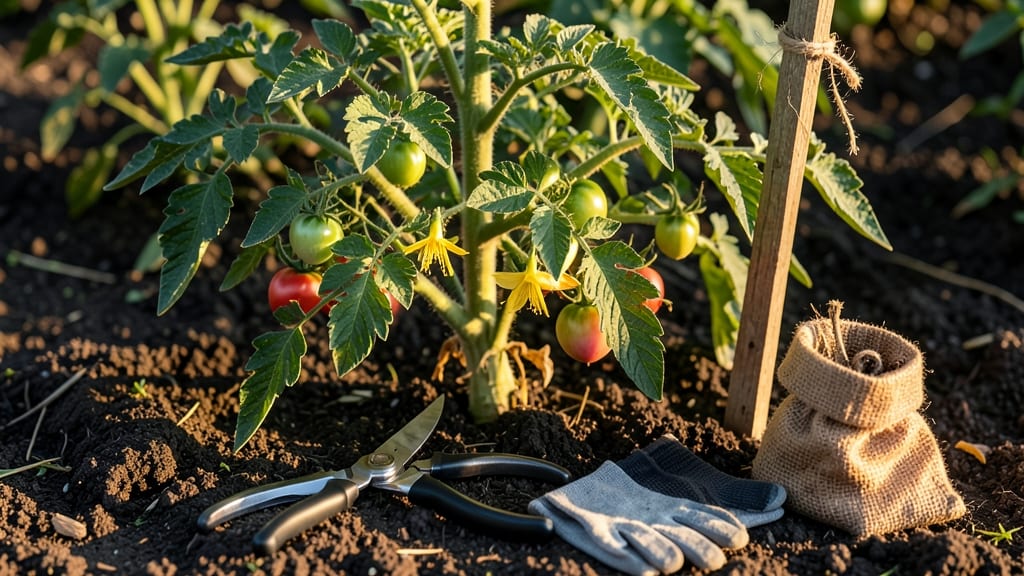
Do you need to trim tomato plants? It’s not just optional—it’s the secret to bigger yields and healthier vines. 🌱 I used to skip it, thinking it was too much work, until I saw my neighbor's tomato plants bursting with fruit while mine struggled. The difference? Pruning creates airflow, directs energy to fruit production, and prevents disease. Indeterminate varieties (the vining types) need regular pruning to control growth and maximize harvests, while determinate (bush) tomatoes rarely need trimming. Grab a pair of clean pruners and a sunny morning—this takes just 10 minutes but makes a world of difference in your harvest. You'll notice fewer leaves shading fruit, stronger stems supporting weight, and a plant that focuses its energy on producing juicy, flavorful tomatoes instead of excessive foliage. The key is removing suckers (those little shoots between the stem and branches) and pinching off lower leaves to improve airflow. Common mistakes include over-pruning (which stresses the plant) or using dirty tools (which spreads disease). Start with just the suckers, and you'll see the difference in your garden by midsummer.
📚 In This Guide
- What you need
- Instructions
- Tips and common mistakes
- Wrapping up and next steps
What you need
- ● Pruning shears or scissors: Sharp, clean bypass pruners (avoid anvil pruners—they crush stems). Size: 5–7 inches for precision.
- ○ Gloves: Heavy-duty gardening gloves (optional but recommended to protect against thorns and dirt). Material: Nitrile or leather for durability.
- ● Disinfectant: 70% isopropyl alcohol or a 10% bleach solution (1 part bleach to 9 parts water) to sterilize tools between cuts. Why? Prevents disease spread!
- ● Trash bag or bucket: For collecting pruned branches and debris. Size: At least 5 gallons to avoid overflow.
- ● Garden twine or stakes: If your plants need support after pruning (especially indeterminate varieties). Length: 3–6 feet, depending on plant height.
- ● Plant tie clips: Soft fabric or plastic clips to secure vines to stakes without damaging stems.
- ● Compost bin: For repurposing healthy pruned material as mulch or compost.
- ● Sunhat & sunscreen: Because even gardeners need to stay comfy under the sun! ☀️
- ● Know your tomato type: Indeterminate (prune heavily) vs. determinate (light pruning only). Pro tip: Check seed packets or plant tags!
- ● Wait for the right time: Prune after the plant has at least 3–4 sets of true leaves (usually 4–6 weeks after transplanting).
- ● Check the weather: Avoid pruning during wet or stormy conditions to prevent disease entry.
When and how to prune tomato plants for maximum yield
Pruning transforms your tomato plants from scrappy survivors into fruit factories—here's exactly when and how to do it right.
🌱 Step 1: Identify the Right Time to Begin Pruning
Wait until your tomato plants have reached 18-24 inches tall and show at least 3-4 main stems. This usually happens 3-4 weeks after transplanting when the plant has established a strong root system. Pruning too early removes critical foliage needed for photosynthesis while the plant establishes itself.
Look for the first flower clusters—these signal the plant is mature enough to handle pruning. I always wait until I see at least one open bloom before touching the plant. This ensures the plant has enough energy to support both growth and fruit development simultaneously.
✂️ Step 2: Remove Suckers at the Correct Locations
Suckers are the small shoots that grow in the V-shaped junction between the main stem and a branch. These are the first things to remove. Use clean, sharp pruning shears to snip suckers just above the leaf node where they emerge. Never leave a stub—this prevents disease entry points and encourages clean healing.
Focus on removing suckers from the lower third of the plant first. These lower suckers compete with fruit production for energy, so eliminating them redirects nutrients to the developing tomatoes. I make a habit of checking for new suckers every 5-7 days during the growing season—what you miss today will turn into another energy drain tomorrow.
🌿 Step 3: Prune for Air Circulation and Light Penetration
Once your plant reaches 4-5 feet tall, start pruning to create an open, airy structure. Remove any leaves that grow below the first flower cluster—these shaded leaves waste energy that could go toward fruit production. Also trim any leaves that grow inward toward the center of the plant, as this improves airflow and reduces humidity where fungal diseases like blight thrive.
For indeterminate varieties (the ones that keep growing all season), I maintain a 12-18 inch spacing between leaves along the main stem. This creates a ladder-like structure where light can reach all fruit clusters. You'll know you're doing it right when you see sunlight reaching the lower fruit while the plant still maintains a strong, upright growth habit.
⏰ Step 4: Adjust Pruning as the Season Progresses
Around 6-8 weeks after flowering begins, shift your focus to fruit-bearing branches. Stop removing suckers above the first flower cluster—these can support additional fruit. Instead, concentrate on removing any leaves that grow above the topmost fruit cluster, as these leaves will shade developing fruit and slow ripening.
In the final 4-6 weeks of the season, reduce pruning altogether. The plant's energy should be focused entirely on ripening existing fruit rather than new growth. You'll notice the plant's growth slows naturally—this is your cue to let nature take over and focus on harvesting instead.
Tips & tricks for maximizing tomato plant productivity
Here's what nobody tells you about transforming your tomato harvest from decent to spectacular.
Tool Selection: Invest in a pair of clean, sharp pruning shears—dull tools crush stems and create entry points for disease. I've ruined plants using scissors or my fingernails, which leave jagged cuts that heal poorly. Sterilize your tools with rubbing alcohol between plants to prevent spreading fungal spores, especially if you're working with multiple varieties.
Seasonal Adjustments: In Step 4, when you shift focus to fruit-bearing branches after 6-8 weeks, remember this is your last major pruning window. After this point, every cut should be strategic—remove only leaves that directly shade developing fruit or show signs of disease. The plant's energy now goes entirely toward ripening, not new growth. I've seen gardeners over-prune at this stage and end up with fewer tomatoes because the plant was stressed.
Visual Cues: When maintaining that 12-18 inch spacing between leaves in Step 3, imagine you're creating a ladder where each rung (leaf) gets equal sunlight. If you see leaves growing inward, they're creating a humid microclimate perfect for blight—trim these aggressively. The goal is to see sunlight reaching all the way to the lower fruit clusters; if you can't see sunlight on your lower tomatoes, you're pruning too aggressively on the lower stem.
Organic Approach: For organic gardeners, consider using a sharp knife instead of shears to make clean cuts. I've found that a small pruning knife gives me more control when working around delicate stems. Always cut at a 45-degree angle just above a leaf node to encourage faster healing. The cleaner the cut, the quicker the plant can seal itself and redirect energy to fruit production.
Pro Tips for Do You Need To Trim Tomato Plants
- Here's what nobody tells you about transforming your tomato harvest from decent to spectacular.
- Tool Selection: Invest in a pair of clean, sharp pruning shears—dull tools crush stems and create entry points for disease.
- Seasonal Adjustments: In Step 4, when you shift focus to fruit-bearing branches after 6-8 weeks, remember this is your last major pruning window.
Frequently asked questions
Got questions about trimming tomato plants? You’re not alone! Here are some of the most common concerns—plus clear, actionable answers to help you prune like a pro.
Do all tomato plants need pruning?
Not necessarily! Indeterminate varieties (like cherry tomatoes) benefit from pruning to boost airflow and fruit production, while determinate types (like Roma tomatoes) often don’t need it—they produce fruit all at once. Focus on pruning if your plants look crowded or diseased.
When is the best time to trim tomato plants?
Prune young tomato plants early (when they’re 12–18 inches tall) to encourage strong stems. For established plants, trim in the morning on warm, dry days to reduce stress. Avoid pruning late in the season—it can stunt fruit development. Pro tip: Always use clean, sharp pruners to prevent disease!
Will trimming tomato plants increase yield?
Yes—if done correctly! Pruning improves airflow, reducing fungal diseases like blight, and directs energy to fruit production. However, over-pruning can stress plants. Aim to remove suckers (side shoots) but leave 3–5 main stems (for indeterminate varieties) for optimal balance.
What if I skip pruning entirely?
Your plants may still produce fruit, but you could face issues like:
- Fungal diseases (crowded foliage traps moisture).
- Smaller harvests (energy splits between leaves and fruit).
- Weaker stems (prone to snapping under fruit weight).
Pruning isn’t mandatory, but it’s a game-changer for healthy, high-yielding plants!
How do I prune tomato plants without hurting them?
Follow these steps to prune safely:
| Step | Action |
|---|---|
| 1⃣ | Use sterilized pruners (rubbing alcohol or bleach wipe). |
| 2⃣ | Cut above a leaf or stem (never leave stubs). |
| 3⃣ | Remove suckers (shoots in the "V" between stem and branch). |
| 4⃣ | Leave 3–5 main stems (indeterminate) or no pruning (determinate). |
Pro tip:
If you’re unsure, prune lightly—you can always do more later!
Wrapping up and next steps
Trimming your tomato plants isn’t just about aesthetics—it’s a game-changer for healthier vines and bigger, juicier harvests! 🌱 Whether you’re dealing with indeterminate sprawlers or compact determinate varieties, strategic pruning removes stress, improves airflow, and directs energy where it matters most.
Now that you know when, why, and how to prune, grab those shears and get growing!
Ready to take the next step? Start with just one plant this week—observe the difference over time, and soon you’ll be a pruning pro. Happy gardening! 🌟