
Pests
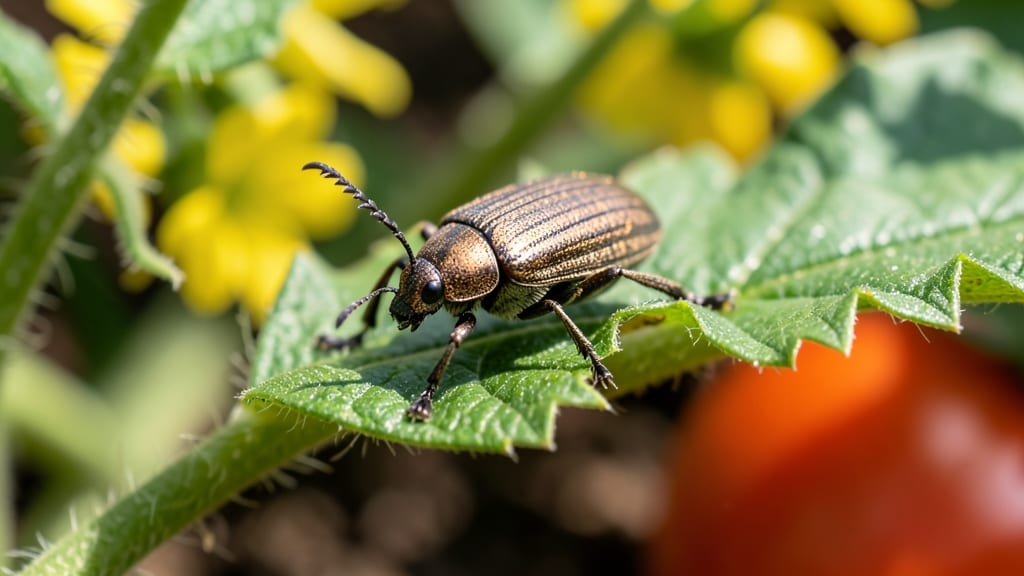
Flea beetles on tomato plants turn your lush leaves into Swiss cheese overnight. 🌱 I’ve watched healthy seedlings become skeletonized in days—until I learned these five-minute fixes that stop the damage before it starts. The good news?
These tiny pests are easy to spot (tiny black beetles, peppered leaves) and even easier to outsmart. Row covers work like magic, neem oil stops them in their tracks, and a simple spray bottle of soapy water does the trick when you catch them early.
The key is acting fast—once they’re established, they multiply like crazy. You’ll see new growth within a week of treatment, with leaves filling back in and plants looking strong again. The best part? These methods work for peppers, eggplants, and other vulnerable crops too.
No more helplessly watching your tomatoes get eaten alive. Here’s how to reclaim your garden—without chemicals—and keep those harvests coming.
The Hidden Triggers Behind Flea Beetles
Flea beetles don’t just appear out of nowhere—they’re drawn to your tomato plants by a mix of environmental cues, plant chemistry, and even your gardening habits. Understanding these triggers is the first step to stopping them before they turn your lush foliage into Swiss cheese.
Let’s break down the key reasons these tiny pests target your tomatoes, so you can outsmart them before they strike.
Flea beetles are opportunistic feeders, and stressed or weak tomato plants are like an all-you-can-eat salad bar to them. Here’s why:
- Nutrient Deficiencies: Plants lacking nitrogen, phosphorus, or potassium have thinner cell walls, making them easier for beetles to chew through. A quick soil test can reveal imbalances—look for yellowing leaves (nitrogen) or purple stems (phosphorus) as red flags.
- Water Stress: Both overwatering (which drowns roots and invites fungal diseases) and underwatering (which weakens the plant) make tomatoes more vulnerable. Flea beetles thrive in dry, cracked soil, where stressed plants can’t recover quickly.
- Transplant Shock: Young tomato seedlings—especially those recently transplanted—are highly attractive because their tender leaves are packed with sugars and water. Beetles can detect these nutrients even from a distance!
Pro Tip: 💡 Keep your soil consistently moist (1–2 inches deep) and mulch around plants to retain humidity. Healthy roots = a tougher defense against pests.
Flea beetles are cold-blooded insects, and their activity peaks when temperatures rise. Here’s how climate plays a role:
| Condition | Why It Attracts Beetles | Actionable Fix |
|---|---|---|
| 🔥 Warm Days (70–90°F) | Beetles are most active in heat, especially when soil is dry. They jump onto plants to feed and reproduce rapidly. | Use row covers or shade cloth to keep temps below 85°F during peak beetle hours (late morning to early afternoon). |
| ☀️ Drought-Like Soil | Dry conditions stress plants and signal beetles that food is abundant. They also lay eggs in cracked, arid soil. | Water deeply early in the morning (1–1.5 inches per week) to encourage deep root growth and deter beetles. |
| 🌬️ Low Humidity | Beetles prefer dry air, which makes tomato leaves more brittle and easier to skeletonize. | Mulch with straw or grass clippings to retain moisture and increase humidity around plants. |
Pro Tip: ✨ If your area has a history of flea beetle outbreaks, consider planting tomatoes in late spring or early summer to avoid the worst heat waves.
Flea beetles have a preference for new growth, especially the cotyledons (the first leaves that sprout from seedlings). Here’s why:
- High Water Content: New leaves are 80–90% water, making them juicy and irresistible to beetles. Older leaves, while tougher, still contain nutrients that attract them.
- Thin Cell Walls: Young leaves lack the lignin (a toughening compound) found in mature foliage, so beetles can chew through them like butter.
- Volatile Compounds: Tomatoes release volatile organic compounds (VOCs) when stressed or damaged, which act like a dinner bell for beetles. Once a few start feeding, others follow.
Pro Tip: 🎯 Protect seedlings with fine mesh row covers until they develop 4–6 true leaves. This buys time for roots to strengthen before beetles arrive.
Flea beetles don’t just target tomatoes—they’re drawn to any dense, leafy plant in your garden. Here’s how overcrowding helps them:
- Reduced Airflow: Tightly packed plants create humid microclimates that beetles love. Poor airflow also slows down natural predators (like lacewings or ladybugs) that could eat them.
- More Hiding Spots: Beetles lay eggs in the soil and under leaves. Overcrowded gardens provide endless real estate for them to reproduce unchecked.
- Shared Stress Signals: When multiple plants are under stress, they release more VOCs, creating a beetle superhighway to your garden.
Pro Tip: 🌡️ Space tomato plants 18–24 inches apart and interplant with repellent crops like basil, onions, or marigolds to disrupt beetle patterns.
Flea beetles are notorious recyclers. If your garden had an outbreak last year, chances are high they’ll return because:
- Overwintering Eggs: Many beetle species lay eggs in the soil that survive winter and hatch when conditions warm up. Disturbed soil (from tilling) can even trigger early hatching.
- Host Plant Memory: Beetles use chemical cues from previous years to locate favorite plants. If your tomatoes thrived last season, beetles will home in on your garden first.
- Lack of Natural Predators: If you didn’t introduce beneficial insects (like ground beetles or parasitic wasps) last year, the beetle population may have exploded without checks and balances.
Pro Tip: 🔥 Before planting, till or solarize the soil (cover with clear plastic for 4–6 weeks) to kill overwintering eggs. Rotate crops yearly to break the beetle’s “memory.”
Organic Fixes for Tomato Leaf Damage
Flea beetles may be tiny, but their damage can feel like a full-scale attack on your tomato plants. The good news? You don’t need harsh chemicals to win this battle.
With a mix of preventive strategies, quick fixes, and long-term solutions, you can protect your plants and still enjoy a bountiful harvest. Below, we’ve mapped the most common causes of flea beetle infestations to practical, organic solutions—so you can act fast and keep your tomatoes thriving.
The best defense is a strong offense. Flea beetles love young, tender plants, so prevention is key—especially if you’ve dealt with them before.
🔥 Use Row Covers for Young Plants
Flea beetles are most active in early spring and summer, especially when temperatures rise.
Protecting seedlings is your first line of defense. - How to do it: Cover tomato seedlings with floating row covers (lightweight fabric that allows light and water through) as soon as you plant them. - When to remove: Wait until flowers appear (when pollination is needed) or switch to fine mesh netting that still blocks beetles. - Pro tip: 💡 Secure covers tightly with soil or bricks to prevent beetles from crawling underneath.
🍳 Plant Trap Crops to Distract Pests
Flea beetles adore certain plants more than tomatoes—use them as bait to lure pests away.
- Best trap crops: Radishes, mustard greens, or collard greens (beetles love these even more than tomatoes).
- How to set it up: 1.
Plant trap crops 1-2 weeks before transplanting tomatoes. 2. Place them around the perimeter of your garden or in a separate patch. 3. Once beetles infest the trap crop, remove and destroy the plants (don’t compost them!). - Bonus: 🌡️ Rotate crops yearly to keep beetles guessing.
⏰ Time Your Planting for Beetle Off-Seasons
Flea beetles are most aggressive in warm weather (70–85°F).
Adjust your planting schedule to avoid peak activity. - Best timing: - Early spring: Plant tomatoes after the last frost but before soil warms (aim for 50–60°F). - Fall crops: Sow seeds 8–10 weeks before your first frost for a late harvest when beetles are less active. - Alternative: 🎯 Try container gardening—move pots indoors or under cover during heatwaves.
If beetles have already moved in, don’t panic. These fast-acting fixes can help your tomatoes recover.
🔪 Prune and Protect Severely Damaged Leaves
Heavy flea beetle damage can weaken plants, but removing the worst leaves helps them redirect energy to fruit production.
- How to prune:
- Snip off heavily chewed leaves (especially lower ones) with clean scissors or pruners.
- Focus on leaves with large holes or skeletonized edges (beetles eat between veins).
- After pruning:
- Spray remaining leaves with neem oil (see below) to deter further feeding.
- Avoid over-pruning—remove no more than 20–30% of foliage to keep the plant healthy.
🥘 Spray Organic Repellents (Beetles Hate These!)
A few natural sprays can make your plants unappetizing to flea beetles while keeping your tomatoes safe to eat.
| Solution | How to Use | Frequency |
|---|---|---|
| Neem Oil | Mix 1 tbsp neem oil + 1 tsp mild soap + 1 quart water. Spray evenly on leaves (avoid flowers). | Every 5–7 days until beetles decline. |
| Kaolin Clay | Stir 1–2 tbsp kaolin clay in 1 gallon water. Spray to create a white film that repels beetles. | Every 7–10 days or after rain. |
| Garlic Pepper Spray | Blend 4 garlic cloves + 1 tsp cayenne pepper + 1 quart water. Strain and spray. | Every 3–4 days (reapply after rain). |
| Soap Spray | Mix 1 tbsp castile soap in 1 quart water. Lightly spray only on beetles (not flowers). | As needed (early morning for best results). |
- Pro tip: ✨ Spray in the evening—beetles are less active, and you avoid harming beneficial insects like bees.
🐝 Encourage Natural Predators Let nature do the work!
These beneficial insects love flea beetles and can help control populations. - Best predators to attract: - Ground beetles (they eat beetle larvae). - Lacewings (adults and larvae devour flea beetles). - Parasitic wasps (target beetle eggs). - How to invite them: - Plant dill, fennel, or yarrow near tomatoes (they attract lacewings). - Leave some leaf litter around plants for ground beetles. - Avoid broad-spectrum pesticides—they kill helpful bugs too!
Prevention and quick fixes are great, but breaking the flea beetle life cycle ensures they don’t return next season.
💡 Rotate Crops and Clean Up Debris
Flea beetles lay eggs in garden soil and plant debris.
Disrupt their habitat to reduce next year’s infestation. - Crop rotation: Don’t plant tomatoes, peppers, or eggplants in the same spot for at least 3 years. - Fall cleanup: - Remove all plant debris (especially from brassicas like radishes). - Till the soil 6–8 inches deep to expose beetle eggs to predators and dryness. - Solarize the soil (cover with clear plastic for 4–6 weeks in summer) to kill eggs.
🎯 Use Mulch to Smother Eggs and Larvae
A thick layer of mulch blocks beetles from laying eggs and traps larvae as they hatch.
- Best mulches:
- Straw or grass clippings (3–4 inches thick).
- Wood chips (slow to break down, great for long-term suppression).
- Avoid: 🚫 Fresh sawdust (can mat down and trap moisture, encouraging disease).
🔥 Plant Resistant Tomato Varieties
Some tomato types naturally repel flea beetles or tolerate damage better.
Try these: - ‘Cherokee Purple’ (thick leaves deter beetles). - ‘Stupice’ (a heirloom with some resistance). - ‘Mountain Merit’ (disease-resistant and less appealing to pests). - Wild relatives: Some landrace tomatoes (like those from Peru or Mexico) have built-in pest resistance.
- 🌱 Water deeply in the morning—wet soil can drown some beetle larvae, and morning watering helps leaves dry faster (reducing fungal issues from sprays).
- 🚫 Avoid overhead watering at night—damp leaves attract more beetles.
- 🔍 Inspect plants weekly—catch infestations early with a flashlight and magnifying glass (check undersides of leaves).
- 🍅 Prioritize fruit over foliage—if beetles are winning, focus on protecting blossoms and young fruit (they’ll recover faster than leaves).
With these targeted, organic strategies, you can outsmart flea beetles and keep your tomato plants healthy—no chemicals required! 🍅💪 Whether you’re preventing, treating, or long-term-proofing your garden, these methods work fast and keep your harvest hole-free.
Frequently asked questions
How can I tell if tiny black specks jumping on my tomato plants are flea beetles?
Look for 1/8-inch black beetles that jump like fleas when disturbed—hence the name! Check for shot holes in leaves (tiny dots where they chew) and skeletonized edges (veins remain but tissue is gone). These are classic signs of their feeding.
Will my tomatoes still produce fruit if flea beetles have already damaged the leaves?
Yes! Tomato plants can survive with 70% leaf loss while still producing fruit. Focus on protecting new growth and blossoms—remove heavily damaged lower leaves and use row covers or neem oil to deter further feeding.
Can I use coffee grounds as a natural flea beetle repellent?
Not directly—coffee grounds work better as a mulch (1 inch thick) to smother beetle eggs in soil. For repelling, try kaolin clay spray or garlic pepper spray instead. Coffee grounds can also acidify soil over time, so use sparingly.
How long does it take for neem oil to work against flea beetles?
Neem oil starts working within 24–48 hours of application, but you’ll see the most improvement in 5–7 days with consistent spraying. Apply every 5–7 days (especially after rain) for best results—it disrupts their feeding and reproduction.
Are flea beetles harmful to humans or pets?
No! Flea beetles are plant-eaters only and pose no threat to humans or pets. They don’t bite, sting, or carry diseases. The only risk is to your tomato plants—so focus on protecting your garden, not yourself!