
Plants
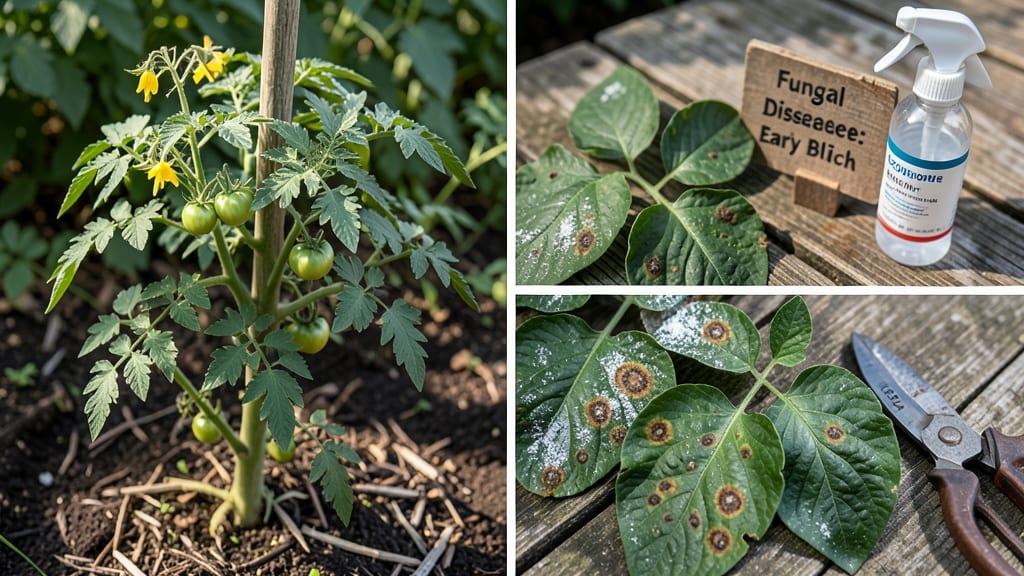
Fungal disease in tomato plants can turn your lush vines into a sad, spotted mess—unless you act fast. 🌱 I’ve lost entire harvests to late blight and early blight, but copper fungicide saved my next crop, and I’ll show you exactly how to do it right.
The key is catching it early and combining sprays with smart growing habits.
Most fungal diseases start with dark spots on leaves or stems, then spread like wildfire if you ignore them. Overwatering, poor air circulation, and crowded plants create the perfect storm for blight. My biggest mistake?
Waiting until the spots covered half the plant—don’t make that error. Copper fungicide works by preventing spores from germinating, but you need to apply it before the disease takes hold.
With the right schedule—spraying every 7–10 days and pairing it with pruning for airflow—you’ll stop the spread and keep your tomatoes thriving. The first spray should happen at first signs of spots, and I’ll walk you through the full routine, from mixing to timing.
Your plants (and your dinner plate) will thank you.
This method works for early blight, late blight, and powdery mildew, whether you’re growing in the ground or containers. The secret? Consistency. Let’s get those tomatoes back to their best—and keep them that way all season.
Root Causes Of Tomato Fungal Woes
Fungal diseases in tomato plants don’t just appear out of thin air—they thrive when specific conditions align like a perfect storm. Understanding the why behind these infections helps you take proactive steps to prevent them. Let’s break down the key culprits and the science behind their spread.
Fungi love moisture, and tomato plants in humid or stagnant environments become their ideal buffet. Here’s how it works:
- Spores thrive in damp conditions: Many fungal pathogens, like Phytophthora infestans (late blight) and Alternaria solani (early blight), release spores that germinate in high humidity (above 75%).
- Poor airflow = prolonged moisture: Crowded plants or dense foliage trap moisture on leaves, creating a film that fungi exploit. Even morning dew can linger too long if air circulation is lacking.
- Temperature matters: Fungi like Fusarium and Verticillium (vascular wilts) spread faster in warm, humid soil (60–85°F), while others, like Septoria lycopersici, peak in cooler, wet weather.
Actionable fix: Space plants 18–24 inches apart, prune lower leaves for airflow, and avoid overhead watering. Use a fan in greenhouses or row covers in open fields to reduce humidity.
Water is the lifeblood of fungi. When tomato plants get too much—either from overwatering, poor drainage, or improper irrigation—fungal diseases move in like uninvited guests.
- Root zone saturation: Waterlogged soil cuts off oxygen, weakening roots and making plants susceptible to Pythium or Phytophthora, which rot roots and stems.
- Foliar splashing: Water droplets on leaves carry spores from soil or infected plants, creating new infection sites. This is how early blight spreads in a garden.
- End-of-day watering: Wet leaves overnight (when humidity is highest) give fungi a 24-hour window to infect.
Actionable fix: Water at the base early in the day, use drip irrigation, and ensure soil has good drainage. Raise beds or add compost to improve aeration.
Fungal spores are persistent—they can survive in soil for years or hitchhike on old plant matter. Here’s how contamination spreads:
- Leftover spores: Diseases like Fusarium wilt or Verticillium persist in soil for decades. Even if you remove infected plants, spores remain dormant until conditions are right.
- Infected plant debris: Leaving behind pruned leaves, stems, or old tomato plants provides a food source for fungi. Alternaria and Septoria spores overwinter in this debris.
- Contaminated tools or compost: Pruners, gloves, or homemade compost with infected material can reintroduce pathogens to healthy plants.
Actionable fix: Rotate crops (avoid tomatoes in the same spot for 3+ years), sterilize tools with 70% alcohol, and remove all plant debris at season’s end. Solarize soil in summer to kill spores.
Fungal infections often sneak in through wounds caused by pests, harsh weather, or even human error. Here’s the connection:
- Insect vectors: Aphids, whiteflies, and spider mites don’t just sap nutrients—they spread fungal spores on their bodies. Late blight can hitch a ride this way.
- Mechanical damage: Hail, strong winds, or rough handling create entry points for fungi. Botrytis cinerea (gray mold) exploits these wounds.
- Over-fertilization: Too much nitrogen promotes lush, weak growth that’s more susceptible to fungal attacks. Powdery mildew thrives on soft, tender leaves.
Actionable fix: Monitor for pests, use row covers for young plants, and avoid heavy-handed pruning. Balance fertilizers with potassium to strengthen plant defenses.
Fungal diseases in tomatoes are rarely random—they’re the result of environmental factors working in tandem. By addressing humidity, watering habits, soil health, and plant stress, you can disrupt the cycle before it starts. Prevention is your best fungicide.
Fixing Fungal Issues in Tomatoes
Fungal diseases can turn your thriving tomato plants into sad, spotted relics—unless you act fast! The good news? With the right approach, you can reverse damage, save your plants, and prevent future outbreaks.
Below are practical, step-by-step solutions tailored to the most common fungal troublemakers, plus proven prevention tips to keep your garden healthy.
Cause: Alternaria solani thrives in warm, humid conditions, causing brown spots with yellow halos on lower leaves.
How to Fix It:
- 🔥 Prune & Remove Infected Leaves
- Snip off yellow or brown leaves (especially lower ones) and dispose of them in the trash (not compost!). This stops spores from spreading.
- Pro Tip: Sterilize pruners with rubbing alcohol between cuts to avoid cross-contamination.
- 💦 Improve Airflow & Watering
- Space plants 18–24 inches apart to reduce humidity.
- Water at the base (not overhead) early in the day so foliage dries quickly.
- 💡 Quick Fix: Use a fan on low near plants for 10–15 mins/day to dry leaves faster.
- 🛡️ Apply Copper Fungicide (Organic or Synthetic)
- Spray copper-based fungicide (like Bordeaux mixture or copper soap) every 7–10 days until new growth appears.
- ⚠️ Warning: Avoid spraying when tomatoes are ripe or in direct sun (can cause leaf burn).
- 🌱 Boost Plant Health
- Feed with compost tea or balanced fertilizer (10-10-10) to strengthen defenses.
- 🌡️ Heat Hack: Mulch with straw or grass clippings to keep soil temps stable (fungi love temperature swings).
Cause: Phytophthora infestans spreads rapidly in cool, wet weather, causing dark, greasy spots that rot leaves and fruit.
How to Fix It:
- 🚨 Isolate & Destroy Infected Plants
- Remove and burn (or bag) all infected plants immediately—this disease spreads like wildfire.
- 🔪 Radical Move: If late blight hits, pull the whole plant to save nearby tomatoes.
- 🌧️ Adjust Watering & Soil
- Water deeply but infrequently (1–2 inches per week) and avoid soggy soil.
- Improve drainage with sand or perlite if your garden holds too much moisture.
- 🛡️ Copper + Baking Soda Spray (Early Stage)
- Mix 1 tbsp baking soda + 1 tsp dish soap + 1 quart water + 1 tsp copper fungicide. Spray every 5–7 days.
- ✨ Bonus: Add 1 tbsp hydrogen peroxide (3%) for extra fungal kill power.
- 🛡️ Preventative Sprays (For Next Season)
- Serenade Garden Spray (with Bacillus subtilis) or neem oil (1 tbsp per gallon of water) can suppress spores before they take hold.
Cause: Oidium fungi coat leaves in white, powdery patches, weakening plants and reducing yields.
How to Fix It:
- 🧼 Soap & Water Wash
- Spray leaves with a mild solution of 1 tbsp horticultural oil + 1 tsp soap per gallon of water. Let sit for 30 mins, then rinse.
- 💡 Pro Tip: Use a soft brush to gently scrub thick mildew off stems.
- 🌿 Natural Fungicides
- Milk spray (1 part milk to 9 parts water) or garlic spray (blend 2 cloves of garlic + 1 quart water, strain, add 1 tsp soap) works well.
- 🎯 Target Spray: Focus on undersides of leaves (where mildew loves to hide).
- 🌞 Increase Sun & Airflow
- Thin out crowded plants and prune inner branches to let sunlight penetrate.
- 🌡️ Heat Trick: Muldew hates heat—plant near reflective surfaces (like white gravel) to raise leaf temps slightly.
- 🛡️ Prevent Recurrence
- Rotate crops (don’t plant tomatoes in the same spot next year).
- Resistant varieties like ‘Mountain Merit’ or ‘Defiant PhR’ are great choices.
Cause: Soil-borne fungi clog plant vessels, causing yellowing, wilting, and stunted growth—often fatal.
How to Fix It:
- 🌱 Replace Infected Soil
- Remove and destroy the plant (including roots). Do NOT compost!
- 🔥 Nuclear Option: If your garden is heavily infected, replace top 6–12 inches of soil or plant in raised beds with fresh, sterile soil.
- 💧 Adjust Watering
- Drip irrigation (not overhead) reduces soil splashing that spreads spores.
- 🚰 Drainage Check: Ensure pots or beds have holes for excess water.
- 🛡️ Solarize the Soil (For Next Season)
- Cover garden beds with clear plastic for 4–6 weeks in hot sun to kill fungi in the soil.
- ⏰ Timing: Do this 6–8 weeks before planting.
- 🌿 Plant Resistant Varieties
- Choose wilt-resistant tomatoes like ‘Celebrity’ or ‘Jet Star’ for future seasons.
- 🌱 Crop Rotation: Never plant tomatoes (or nightshades) in the same spot two years in a row.
- 🍅 Sanitize Tools: Wipe pruners and shovels with bleach or alcohol between uses.
- 🌿 Healthy Soil: Add compost and mycorrhizal fungi to boost plant immunity.
- 🌧️ Weather Watch: Cover plants with row covers during rainy spells if fungal diseases are common in your area.
- 🍅 Early Harvest: Pick tomatoes before they ripen if blight is spreading (they’ll still ripen indoors).
Final Thought: Fungal diseases are manageable—but speed is key! Act at the first sign of spots, combine cultural fixes (airflow, watering) with fungicides, and prevent future outbreaks with smart gardening habits. Your tomatoes (and your sanity) will thank you! 🍅✨
Frequently asked questions
What’s the difference between early blight and late blight on tomato leaves?
Early blight shows as concentric brown spots with yellow halos on lower leaves, while late blight creates dark, greasy-looking patches that spread rapidly to stems and fruit. Early blight progresses slowly, but late blight can destroy plants in 5-7 days if untreated.
Can I still eat tomatoes with fungal spots?
Only if the spots are small and only on the leaves. Remove any fruit with dark, sunken lesions or mold—these can harbor toxic spores. For early blight, you can still harvest green tomatoes (they’ll ripen indoors). With late blight, discard all infected fruit immediately.
How often should I spray copper fungicide for prevention?
Apply copper fungicide every 7-10 days during wet seasons or when you see the first signs of disease. Start spraying at first leaf emergence for full-season protection. Mix with neem oil (1 tbsp per gallon) to enhance effectiveness.
Will baking soda really help with fungal diseases?
Yes, but only for early-stage powdery mildew or early blight. Mix 1 tbsp baking soda + 1 tsp soap + 1 quart water and spray undersides of leaves. It works by raising the leaf pH, making it inhospitable for fungi. For advanced infections, use copper fungicide instead.
Can I save a tomato plant with fungal wilt (like Fusarium or Verticillium)?
Unfortunately, no—these diseases clog the plant’s vascular system and are incurable. Remove the plant completely (including roots) and sterilize the soil with solarization or replace it. For next season, choose wilt-resistant varieties like 'Mountain Merit'.