
Planting
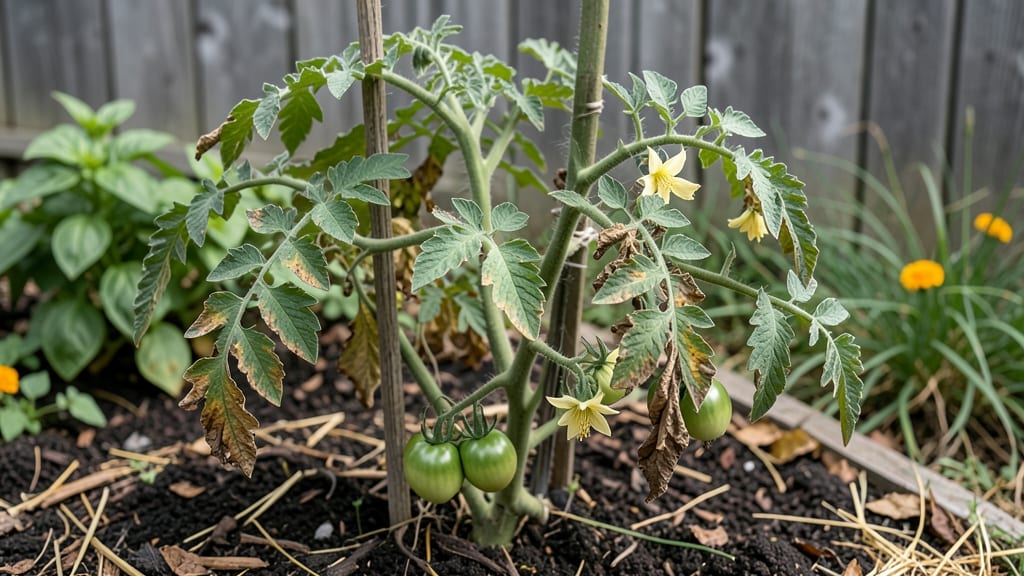
Your tomato plant’s dry leaves don’t mean the end of your harvest—three simple fixes can turn crispy foliage back into lush, productive vines. 🌱 I’ve nursed back more tomato plants than I’d like to admit, and the secret isn’t complicated: it’s about water, air, and a little TLC when the first brown edges appear.
The real culprit is usually one of three things: inconsistent watering (too much or too little), scorching afternoon sun, or pests hiding under those brittle leaves. Most gardeners overreact by yanking off every dry leaf—don’t. Instead, focus on the roots and the environment first.
A deep watering every 2-3 days (check soil moisture 2 inches down) works wonders, and shade cloth on hot afternoons can save your plants mid-summer. Within 7-10 days of adjusting care, you’ll see new growth pushing through, and those crispy edges will soften back to vibrant green.
The key is acting fast—once the plant starts wilting, it’s already stressed. Prune only the most damaged leaves (never more than 10% of the plant) to avoid shocking it further. This works for container tomatoes, raised beds, or in-ground plants.
The same principles apply whether you’re dealing with a single plant or a full garden—just scale the water and shade accordingly.
Root Causes Of Wilting Tomato Leaves
Dry, crispy, or drooping tomato leaves are a gardener’s worst nightmare—but understanding the science behind them is the first step to revival. Below, we break down the primary culprits behind leaf desiccation, from environmental stressors to plant health issues.
Each cause has a distinct signature, so let’s diagnose the problem like a pro.
Tomatoes are 95% water by weight, and their leaves are the first to scream for help when hydration is off. But here’s the twist: both overwatering and underwatering can trigger dry leaves, just through different mechanisms.
- Underwatering 🌵 When soil dries out, roots struggle to pull up moisture, causing osmotic stress. Cells lose turgor pressure (like a deflating balloon), and leaves curl, yellow, or crisp at the edges.
Check soil moisture by sticking your finger 1–2 inches deep—if it’s dry, it’s time to water.
- Overwatering 💦 Soggy soil cuts off oxygen to roots, leading to root rot (Phytophthora or Pythium fungi). Healthy roots can’t absorb water, so leaves wilt despite damp soil. Test for overwatering: Lift the plant—if the soil smells sour or the roots are mushy, you’ve got a problem.
Pro Tip: 🌡️ Morning watering (before 10 AM) reduces evaporation and fungal risks. Use drip irrigation to keep leaves dry and soil consistently moist.
Tomatoes love sun—but intense heat or direct afternoon rays can scorch leaves faster than a summer BBQ. Look for:
- White or grayish patches (sunburn)
- Leaves curling upward (heat shock)
- Dry, papery edges (transpiration overload)
Why it happens:
- High transpiration rates (water loss through leaves) outpace root uptake, especially in 90°F+ temps.
- UV radiation damages cell membranes, causing oxidative stress (like rust on metal).
Fix it fast:
- Provide 30% shade (use shade cloth or row covers) during peak sun (12–4 PM).
- Mulch heavily (straw or wood chips) to keep roots cool.
- Avoid pruning in extreme heat—less foliage = less water loss.
Strong winds strip moisture from leaves via increased transpiration, while abrasive gusts can tear leaf tissue, leaving jagged, dry edges. This is especially common in:
- Open garden beds
- Greenhouse edges
- Balcony containers exposed to breezes
The science:
- Boundary layer disruption—the thin film of humid air around leaves evaporates faster in wind, dehydrating cells.
- Mechanical stress ruptures cells, making leaves more susceptible to pathogens (like Alternaria leaf spot).
Solutions:
- Windbreaks (bamboo screens, tall plants like corn) reduce airflow.
- Stake or cage plants to prevent flopping and exposure.
- Hand-prune damaged leaves to redirect energy to healthy growth.
Dry, brown, or crispy leaves with dark spots often signal pathogenic invaders.
The most common culprits: - Early Blight (Alternaria solani) – Targets lower leaves first, creating concentric rings. - Late Blight (Phytophthora infestans) – Causes greasy, brown patches (the same fungus that doomed Ireland’s potato crops!). - Verticillium/Wilt – Yellows leaves from bottom to top, then turns them brittle.
How they dry out leaves:
- Clogging stomata (leaf pores) with fungal spores blocks gas exchange.
- Root infection (like Verticillium) disrupts water transport, leading to vascular collapse.
Action steps:
- Remove infected leaves immediately (don’t compost—trash them!).
- Spray copper fungicide (preventative) or neem oil (organic option).
- Rotate crops—never plant tomatoes in the same spot next year.
Dry, crispy leaf edges or necrotic spots between veins often signal mineral starvation.
Tomatoes are heavy feeders, and imbalances trigger: - Potassium (K) deficiency – Leaves yellow at edges (like a fried egg) and feel brittle. Why? Potassium regulates water movement and osmotic balance. - Calcium (Ca) deficiency – Blossom-end rot (on fruits) + dry, distorted new leaves.
Calcium strengthens cell walls—without it, leaves can’t hold moisture.
Soil test first! If deficient:
- Potassium: Use banana peel tea, wood ash, or potassium sulfate.
- Calcium: Crushed eggshells, lime, or gypsum (for sandy soil).
Pests like spider mites, aphids, and whiteflies pierce leaves, disrupting water and nutrient flow. Their damage:
- Stippling (tiny white/yellow dots) → leaf desiccation.
- Honeydew buildup (sticky residue) → sooty mold (a black fungus that blocks sunlight).
Signs of pest stress:
- Fine webbing (spider mites).
- Curled, sticky leaves (aphids).
- White, waxy flies (whiteflies).
Combat them:
- Blast with water (knocks off mites/aphids).
- Introduce predator insects (ladybugs, lacewings).
- Neem oil spray (disrupts pest life cycles).
Reviving Your Tomato Plant’s Health
Dry, crispy leaves on your tomato plant can feel like a gardener’s nightmare, but don’t toss those plants just yet! With the right approach, you can nurse them back to vitality.
Below, we’ve mapped out practical fixes for the most common causes of dry leaves, along with prevention tips to keep your plants thriving. Let’s get your tomatoes back on track!
If your tomato plant’s leaves are dry and brittle, lack of water is often the culprit. Tomato plants love consistent moisture, especially during hot weather.
How to Fix It:
- 🔥 Water Deeply and Slowly – Use a hose or watering can to soak the soil 1-2 inches deep, ensuring water reaches the roots. Avoid shallow sprinkles that only wet the surface.
- 👨🍳 Check Soil Moisture – Stick your finger 2 inches into the soil. If it feels dry, it’s time to water. If damp, wait a day or two.
- 🥘 Mulch to Retain Moisture – Spread 2-3 inches of mulch (straw, grass clippings, or wood chips) around the base to lock in water and prevent evaporation.
- ⏰ Water in the Morning – Early watering reduces evaporation and gives leaves time to dry before nightfall, preventing fungal issues.
💡 Prevention Tip: Install a soaker hose or drip irrigation for automated, deep watering. This keeps roots consistently moist without overwatering.
Tomato plants wilt and develop dry leaves when exposed to intense heat and direct sunlight, especially in peak afternoon hours.
How to Fix It:
- 🔪 Provide Shade Cloth – If temperatures soar above 90°F (32°C), drape 30-50% shade cloth over plants to filter harsh rays.
- 🍳 Adjust Watering Frequency – In extreme heat, water every 1-2 days (morning only) to prevent root burn from cold water.
- 🥘 Prune for Better Airflow – Trim lower leaves to improve circulation and reduce stress on the plant.
- 🌿 Move Potted Tomatoes – If growing in containers, relocate them to a slightly shaded spot during the hottest part of the day.
💡 Prevention Tip: Plant tomatoes in late spring or early summer (after the last frost) to avoid early-season heatwaves. Choose heat-tolerant varieties like ‘Solar Fire’ or ‘Heatmaster.’
Dry, crunchy leaves can also signal pests (aphids, spider mites) or diseases (early blight, bacterial spot) that suck moisture from foliage.
How to Fix It:
- 🔥 Identify the Problem – Check leaves for tiny webs (spider mites), sticky residue (aphids), or dark spots (fungus).
- 👨🍳 Blast Off Pests – Spray plants with neem oil or insecticidal soap (follow label instructions). For severe infestations, use horticultural oil.
- 🥘 Remove Damaged Leaves – Snip off yellow or brown leaves with sterilized scissors to prevent spread.
- 🌿 Improve Airflow – Space plants 18-24 inches apart and avoid overcrowding to reduce humidity and fungal growth.
💡 Prevention Tip: Rotate crops yearly to prevent soil-borne diseases. Use copper fungicide as a preventive spray every 2-3 weeks during humid seasons.
Poor soil nutrition weakens plants, making them susceptible to dryness and stress.
How to Fix It:
- 🔥 Test Your Soil – Use a DIY soil test kit (or send a sample to a local extension office) to check pH and nutrient levels.
- 🍳 Amend with Compost – Mix in 2-3 inches of compost or well-rotted manure to improve moisture retention and nutrient availability.
- 🥘 Fertilize Wisely – Use a balanced fertilizer (10-10-10) or tomato-specific feed every 2-3 weeks during the growing season.
- 🌿 Avoid Over-Fertilizing – Too much nitrogen causes leafy growth at the expense of fruit, making plants more prone to stress.
💡 Prevention Tip: Add mycorrhizal fungi to the soil at planting time to enhance root health and water absorption.
If your tomato plant is beyond revival, don’t let it go to waste! You can still salvage healthy stems to grow new plants.
How to Fix It:
- 🔪 Cut Back Severely – Trim all dead or dying branches, leaving only green stems with leaves.
- 🍳 Propagate in Water – Place healthy cuttings in a jar of water with a rooting hormone to encourage regrowth.
- 🥘 Start Fresh – If the plant is too far gone, save seeds from healthy tomatoes and replant for next season.
💡 Prevention Tip: Always keep a few backup tomato plants in case of disaster—nature (and pests) can be unpredictable!
Final Thought: With these targeted fixes, your tomato plant should bounce back in 1-2 weeks. Stay consistent with care, and soon you’ll be harvesting juicy, vibrant tomatoes instead of dry leaves! 🍅✨
Frequently asked questions
Why do tomato leaves turn dry and crispy in hot weather?
High temperatures increase transpiration (water loss) faster than roots can absorb moisture. When daytime temps exceed 90°F (32°C), leaves lose turgor pressure and develop dry, papery edges. The solution? Provide 30% shade cloth during peak sun (12–4 PM) and water deeply in the morning to prevent root burn.
Can I save a tomato plant if all the leaves are dry and brittle?
Yes, but act fast! First, trim only the most damaged leaves (never more than 10% of the plant), then focus on roots. Water deeply 1-2 inches down daily until soil is consistently moist, and apply mulch (2-3 inches) to retain moisture. Within 7-10 days, new growth should emerge if the roots are still healthy.
What’s the difference between dry leaves from underwatering vs. overwatering?
Underwatering causes crispy edges that curl inward, while overwatering leads to yellowing leaves with mushy stems. Test soil moisture: If the top 2 inches are bone-dry, you’re underwatering. If the soil smells sour or roots are mushy, you’re overwatering. Adjust your watering schedule accordingly—tomatoes prefer consistent moisture, not soggy soil.
Will pruning dry leaves help my tomato plant recover?
Pruning only the most damaged leaves (those that are brown and crispy) can actually help by redirecting energy to healthy growth. Avoid removing more than 10% of the foliage at once—this can shock the plant. Focus on lower leaves first, as they’re often the first to show stress signs.
How do I prevent dry leaves in container-grown tomatoes?
Containers dry out faster! Water every 1-2 days (check soil moisture 2 inches down), and use self-watering pots or drip irrigation for consistency. Move pots to morning sun/afternoon shade in peak summer, and use lightweight potting mix with perlite to improve drainage and moisture retention.