
Companion Plants
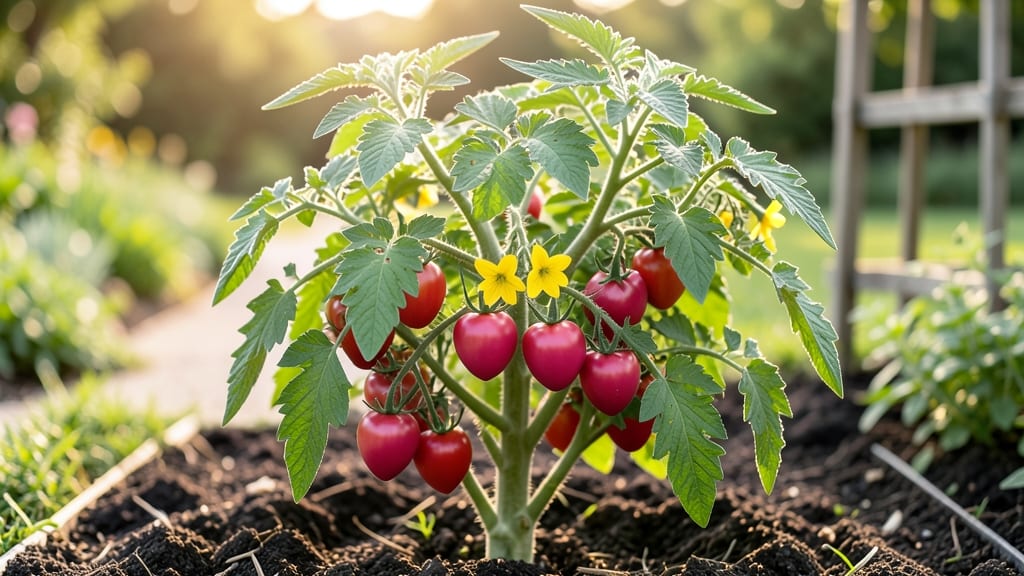
German Pink tomato plants deliver sweet, juicy fruits that taste like summer in every bite—and they resist the diseases that ruin other varieties. 🌱 I grew mine last season, and the plants stayed healthy while producing tomatoes so flavorful my neighbors kept asking where I got them.
The secret lies in their genetics: this heirloom handles humidity and fungal pressure better than most modern hybrids.
You’ll need full sun (6-8 hours daily), well-draining soil with compost, and sturdy cages or stakes since these plants grow 4-5 feet tall. German Pinks thrive in warm climates but tolerate cooler summers better than most heirlooms.
The key to their disease resistance? Strong stems and glossy leaves that repel pests naturally—though you’ll still want to monitor for early blight on lower leaves.
Harvest begins 70-80 days after transplanting, with fruits ripening all at once for a massive tomato glut. The flavor? A balance of smoky sweetness and bright acidity that makes them perfect for slicing or sauces.
Prune suckers regularly to focus energy on fruit production, and pinch off early flowers if your season is short to ensure bigger harvests later.
Even in humid zones, these plants reward patience with fewer chemical interventions than most tomatoes. The trade-off? They need consistent moisture—1-1.5 inches per week—and mulch to keep roots cool. If your summer gets hot, shade cloth during peak afternoon sun prevents sunscald on the fruit.
With proper care, you’ll end up with tomatoes so good they’ll make store-bought ones taste bland.
📚 In This Guide
- What you need
- Instructions
- Tips and common mistakes
- Wrapping up and next steps
What you need
- ● German Pink tomato seeds or seedlings: 3–5 plants (check seed packets for disease-resistant labels like VFN or Tm-2)
- ● Well-draining potting mix: 5–10 gallons (look for organic blends with perlite or vermiculite)
- ● Containers or garden plot: Containers: 5-gallon pots or larger (minimum 12" diameter for each plant)
- ● Garden beds: Full sun (6–8+ hours daily), loose soil with pH 6.0–6.8
- ● Support system: Cages (5–6 ft tall) or stakes + twine (for indeterminate varieties)
- ● Fertilizer: Balanced organic fertilizer (10-10-10) or compost (apply at planting and mid-season)
- ● Mulch: Straw or shredded leaves (2–3 inches thick to retain moisture)
- ● Hand trowel or transplanting shovel (for digging)
- ● Watering can or drip irrigation system (consistent moisture is key!)
- ● Pruning shears (for trimming suckers and dead leaves)
- ● Neem oil or copper fungicide (preventative care for powdery mildew or blight)
- ● Companion plants: Basil, marigolds, or borage (plant nearby to deter pests!)
Step-by-step guide to growing German Pink tomato plants
Here’s how I grow this disease-resistant heirloom variety for maximum flavor and yield every season.
🌱 Step 1: Start Seeds Indoors at the Right Time
German Pink tomatoes need a long growing season, so begin seeds indoors 6-8 weeks before your last frost date. I use biodegradable peat pots (2-3 inches deep) filled with sterile seed-starting mix—never garden soil, which can harbor pathogens. Moisten the mix until it holds together when squeezed but doesn’t drip.
Plant 2-3 seeds per pot at a depth of ¼ inch, just below the soil surface. Cover lightly with additional mix and mist gently with water until the surface is evenly damp. Place pots in a seedling heat mat (75-85°F) to speed germination, which typically occurs in 7-10 days. Keep the soil consistently moist but never soggy—overwatering now invites damping-off.
☀️ Step 2: Provide Optimal Light for Strong Seedlings
The moment seedlings emerge, move them under a full-spectrum LED grow light positioned 2-4 inches above the plants. Without strong light, seedlings stretch toward the source (called "legginess"), which weakens them permanently. I raise the light as they grow to maintain that distance, ensuring 14-16 hours of light daily.
You’ll know your setup is right when seedlings have thick stems, deep green leaves, and compact spacing between growth nodes. If stems look thin and pale, your light is too far away—adjust immediately. Avoid placing them near cold windowsills, which can stunt growth.
🪴 Step 3: Transplant Seedlings Outdoors After Hardening Off
Two weeks before your last frost, start hardening off seedlings by placing them outside in a sheltered spot for 1-2 hours the first day. Gradually increase exposure over 10-14 days, ending with full sun. This prepares them for outdoor conditions without shock. Transplant on an overcast afternoon to reduce stress.
Choose a sunny location with 6+ hours of direct sunlight and well-draining soil. Bury seedlings deeper than the root ball—up to the first set of true leaves—to encourage strong root development. Space plants 18-24 inches apart in rows 3 feet apart to allow airflow, which German Pinks thrive in.
💧 Step 4: Water and Fertilize for Disease Resistance
German Pink tomatoes are drought-tolerant once established, but consistent moisture is key during fruiting. Water deeply at the base (1-2 inches per week) and avoid wetting foliage to prevent fungal diseases like early blight. I use a drip irrigation system to deliver water slowly at soil level—this keeps leaves dry and reduces disease risk.
Fertilize with a balanced organic fertilizer (10-10-10) at planting, then switch to a low-nitrogen, high-phosphorus formula (5-10-10) when flowers appear. Over-fertilizing with nitrogen leads to leafy growth at the expense of fruit. Watch for yellowing leaves—a sign of overwatering or nutrient imbalance—and adjust accordingly.
✂️ Step 5: Prune and Support for Maximum Yield
German Pink tomatoes benefit from pruning to improve airflow and fruit production. Remove suckers (the small shoots that form in the leaf axils) regularly, but leave 1-2 main stems for bushier growth. Prune in the morning so wounds have time to heal before evening humidity sets in.
Install stakes or cages at planting to support the plants as they grow. German Pinks can reach 4-5 feet tall, so secure them firmly. Pinch off the first few flowers to encourage stronger root and stem development—this leads to bigger, healthier fruit later. Harvest when tomatoes turn a deep pink and yield slightly to pressure.
Tips & tricks for perfect German Pink tomato growth
Growing German Pink tomatoes successfully comes down to these key strategies that prevent common pitfalls and maximize your harvest.
Germination Conditions: The 75-85°F heat mat temperature is crucial for consistent germination. If your home stays cooler, consider using a seedling heat mat with a built-in thermostat to maintain this range. I've found that germination drops significantly below 70°F, so don't be tempted to skip this step even if your space feels warm enough—those degrees make all the difference. The 2-3 seeds per pot approach gives you insurance against failed germination, and you can always thin to the strongest seedling once they emerge.
Light Management: Those 14-16 hours of light daily are non-negotiable for preventing leggy seedlings. I recommend setting a timer for your grow lights—burnout is a real risk when you're busy, and seedlings can stretch dramatically in just a few hours of insufficient light. Position the light so the seedlings almost touch it, then raise it as they grow to maintain that 2-4 inch distance. Watch for the telltale signs of legginess: stems that are thin and pale with widely spaced leaves.
Hardening Off Strategy: The gradual 10-14 day hardening process is where many gardeners cut corners, but this is exactly when seedlings develop the resilience they need. Start with just 1-2 hours of exposure and a sheltered spot—think dappled shade under a tree rather than full sun. I've seen seedlings shock and wilt dramatically when moved too quickly to bright sunlight. The goal is to build their tolerance to wind, temperature fluctuations, and direct sun without overwhelming them.
Transplanting Depth: Burying seedlings deeper than the root ball—up to the first set of true leaves—encourages strong root development. This might seem counterintuitive, but it works because tomato plants naturally develop roots along their buried stems. Just be careful not to bury the stem too deeply, as this can cause rot. The 18-24 inch spacing between plants is also critical for airflow, which German Pinks particularly appreciate to resist fungal diseases.
Pro Tips for German Pink Tomato Plants
- Growing German Pink tomatoes successfully comes down to these key strategies that prevent common pitfalls and maximize your harvest.
- Germination Conditions: The 75-85°F heat mat temperature is crucial for consistent germination.
- Light Management: Those 14-16 hours of light daily are non-negotiable for preventing leggy seedlings.
Frequently asked questions
Got questions about growing German Pink tomato plants? You’re not alone! These disease-resistant beauties are a gardener’s dream, but even the best varieties need a little TLC. Below, we’ve rounded up the most common queries to help you cultivate a thriving harvest with confidence.
How long does it take for German Pink tomatoes to produce fruit?
German Pink tomato plants typically take 60–70 days from transplanting to first fruit, assuming warm soil (60°F+) and consistent care. For cooler climates, start seeds indoors 6–8 weeks before the last frost. Patience pays off—these vines reward you with juicy, sweet tomatoes that peak in flavor after a few weeks of ripening on the vine!
Can German Pink tomatoes survive frost?
Nope! These plants are tender perennials and cannot tolerate frost—even a light freeze will damage leaves and fruit. If frost is forecasted, cover plants with frost cloth or row covers. For long-term storage, harvest ripe tomatoes before the first frost and ripen indoors. Pro tip: German Pinks thrive in USDA Zones 5–10, so plan your planting schedule accordingly!
Are German Pink tomatoes good for sauces or slicing?
Versatile and delicious! German Pink tomatoes are perfect for both—their meaty, low-acid flesh holds up well in sauces, salsas, and pasta dishes, while their sweet flavor shines in fresh salads or sandwiches. For sauces, let them ripen fully on the vine for maximum flavor intensity. Bonus: Their pink hue adds a stunning pop to any dish!
What pests or diseases should I watch for with German Pink tomatoes?
While German Pinks are disease-resistant (thanks to their Blight-resistant genes), they’re not invincible! Keep an eye out for:
- Hornworms: Strip leaves overnight? Handpick these green caterpillars!
- Whiteflies: Yellow sticky traps can help monitor infestations.
- Fungal issues (early blight): Improve airflow with pruning and avoid overhead watering.
What are the best companion plants for German Pink tomatoes?
German Pink tomatoes love good neighbors! Plant them with:
- Basil: Repels pests and boosts flavor.
- Marigolds: Deter nematodes naturally.
- Onions or garlic: Confuse tomato hornworm moths.
- Avoid planting near: Potatoes, fennel, or brinjal (eggplant) to prevent competition.
Wrapping up and next steps
Growing German Pink tomato plants is a rewarding journey for any gardener—whether you're a seasoned pro or a beginner eager to try something new.
Their disease-resistant nature and vibrant flavor make them a standout choice, and with the right companion plants and care, you’ll enjoy a bountiful, delicious harvest that rivals store-bought (but tastes way better!). 🌱
Now that you’re armed with tips on planting, maintenance, and troubleshooting, it’s time to roll up your sleeves and get growing.
Start by picking a sunny spot in your garden, grab those seeds or seedlings, and let nature do the rest. Happy gardening—and may your tomato harvest be as plentiful as your patience! 🍅✨
Next step: Mark your calendar for planting season, sketch a quick garden layout, and get ready to savor the sweet taste of success!