
Vegetables
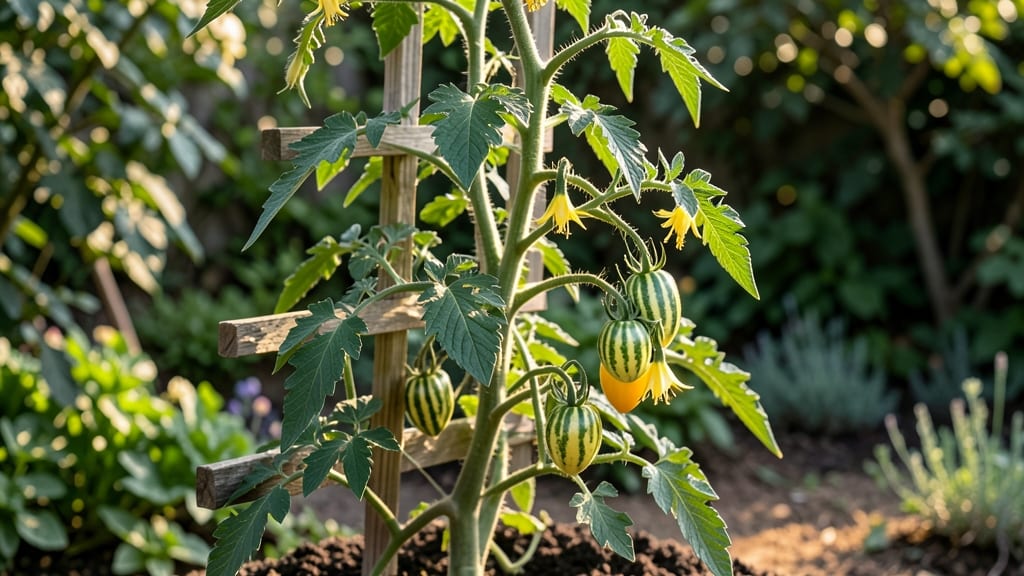
The green zebra tomato taste delivers a refreshing sweet-tart profile with vibrant citrus undertones and herbal depth, creating a bright, complex flavor that contrasts sharply with the milder sweetness of red tomatoes.
The green zebra tomato's distinctive flavor comes from its high chlorophyll content and unique sugar-acid balance. 🌿 Unlike red tomatoes that rely on lycopene for sweetness, these stay green longer and develop a crisp, almost lemony tang that pairs beautifully with fresh herbs.
I've found their flavor peaks when used raw—think sliced over bruschetta or blended into gazpacho—where the bright acidity really shines. The key is picking them when they're fully green but slightly soft to the touch, as they'll never fully ripen like red varieties.
What makes them stand out in cooking is their ability to cut through richness without overpowering. Try them in caprese salads with basil and burrata, or roasted with olive oil and garlic for a caramelized sweetness that still retains their signature tang.
Unlike heirloom tomatoes that soften easily, green zebras hold their shape beautifully when cooked, making them perfect for grilling or stuffing.
💡 In This Article
- Why Green Zebra Tomatoes Taste Different from Red Tomatoes
- Best Culinary Uses to Highlight Green Zebra Tomato Flavor
Why green zebra tomatoes taste different from red tomatoes
The green zebra tomato's signature flavor stems from its genetic makeup and ripening process. Unlike red tomatoes that produce lycopene (the pigment responsible for their deep red color and sweetness), green zebras retain high levels of chlorophyll throughout their development.
This chlorophyll gives them that vibrant green hue and contributes to their bright, almost grassy herbal notes—similar to how unripe avocados taste but with a sweeter finish. 🌱 The sugar-acid ratio in green zebras also skews differently, with approximately 3-4% acidity compared to red tomatoes' 0.4-0.7%, creating that signature tang.
Biochemically, green zebras stay in a perpetual "ripe-but-not-quite" state. While red tomatoes fully ripen on the vine, developing more sugar and softening, green zebras ripen off the vine but never lose their firm texture or chlorophyll.
This means their flavor profile remains crisp and vibrant, with a sugar content around 3-5 Brix (a measure of sweetness) versus red tomatoes' 4-6 Brix. The result?
A flavor that's sweeter than unripe tomatoes but tangier than fully ripe red ones, with a complexity that hearkens back to heirloom varieties but with more consistency.
When comparing to heirloom tomatoes, green zebras lack the deep, earthy richness of varieties like Brandywine but offer a brightness that's closer to cherry tomatoes—yet with more body.
Hybrid tomatoes, bred for uniformity and shelf life, often sacrifice flavor complexity, but green zebras deliver a natural balance that's hard to replicate.
Their flavor also evolves subtly as they ripen: younger specimens taste more citrusy, while slightly older ones develop a deeper herbal note, almost like a cross between a green apple and a basil leaf. 🍃
This unique flavor chemistry makes green zebras behave differently in cooking. Their high acidity means they won't macerate as quickly as red tomatoes in salads, preserving their crisp texture longer.
When blended into sauces, their chlorophyll gives a vibrant green color that fades as the acidity breaks down during cooking—a visual clue that their flavor is transforming from bright to mellow.
Unlike heirloom tomatoes that can become mealy when overcooked, green zebras hold their shape beautifully, making them ideal for dishes where texture matters, like stuffed tomatoes or grilled skewers.
One fascinating detail is how their flavor interacts with other ingredients. The citrusy notes amplify in cold dishes—think gazpacho or chilled soups—while the herbal undertones become more pronounced when cooked with garlic or olive oil.
This duality is what makes them so versatile: they can play the supporting role in a complex dish or take center stage in simple preparations where their natural brightness shines. 💫
For those curious about the science, the key lies in their genetic resistance to ethylene gas—the same hormone that triggers ripening in most fruits. Green zebras produce less ethylene, so their ripening process is slower and more controlled, preserving that crisp texture and vibrant flavor longer than conventional tomatoes.
This also means they'll stay fresh in your fridge for 2-3 weeks without losing their signature taste, unlike red tomatoes that often lose flavor within 1 week of purchase.
The takeaway? Green zebra tomatoes aren't just "green" versions of red tomatoes—they're a completely different flavor experience, offering a refreshing contrast that can elevate dishes where you'd normally use red varieties.
Their ability to balance sweetness with acidity makes them a game-changer in both raw and cooked applications, proving that color isn't just about appearance—it's about flavor too. 🍅