
Vegetables
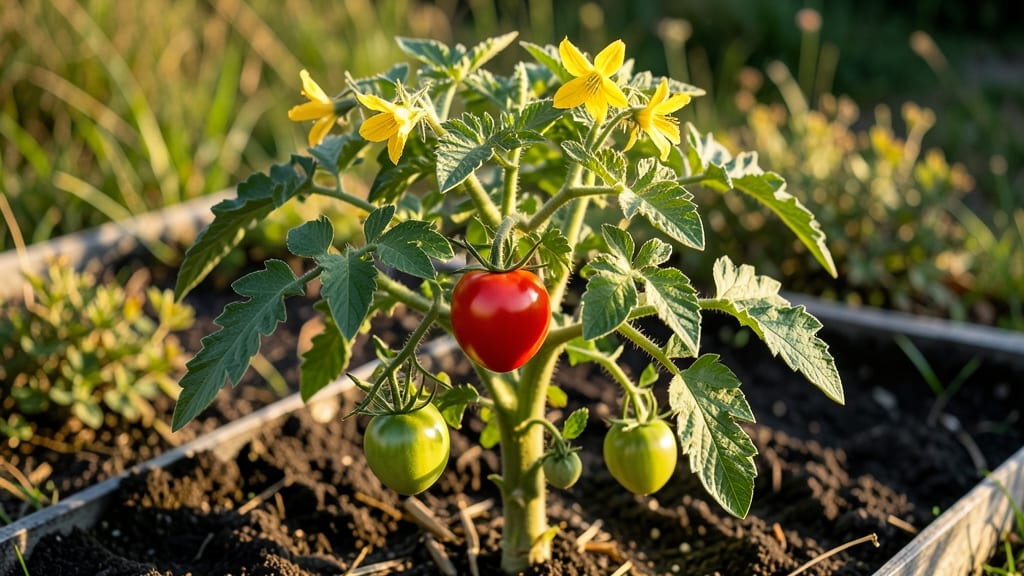
Your tomato plants' stems are the backbone of those juicy, vine-ripened fruits you dream about—healthy tomato stems mean bigger harvests and fewer disappointments. ✨ I’ve seen firsthand how a few strategic prunes can turn floppy, disease-prone vines into sturdy powerhouses that support heavier fruit loads without snapping.
The key isn’t just cutting back; it’s understanding when and why to prune to boost circulation, sunlight, and airflow.
Most gardeners overlook stem health until problems appear—wilting, cracks, or blight—but the best time to act is now, before issues start. You’ll need sharp pruners, a clean workspace, and about 20 minutes to inspect and trim.
Focus on removing suckers (those little shoots between stems and leaves) and any yellowing or damaged growth. This isn’t about harsh cuts; it’s about guiding the plant’s energy where it matters most: the fruit.
What you’ll end up with is a tomato plant that looks like it’s been professionally trained—stronger stems, more branches with fruit, and fewer pests hiding in dense foliage. The stems thicken naturally, supporting tomatoes that stay firm and ripe longer on the vine.
Plus, you’ll notice fewer cracked fruits and better disease resistance, because healthy stems mean the whole plant thrives.
This method works for determinate (bush) and indeterminate (vining) tomatoes, in containers or ground beds, and even in hot climates where stems struggle. The only real mistake? Waiting until the plant is already stressed. Let’s get those stems in top shape before the first blight warning arrives.
📚 In This Guide
- What you need
- Instructions
- Tips and common mistakes
- Wrapping up and next steps
What you need
- ● Tomato plants: Healthy, disease-free plants (determinate or indeterminate varieties).
- ● Pruning shears or sharp scissors: Clean, sterilized tools (alcohol wipe recommended).
- ● Gloves: Protective garden gloves (nitrile or leather for durability).
- ○ Disinfectant (optional but recommended): 1 part bleach to 9 parts water for sterilizing tools.
- ● Garden twine or stakes: For indeterminate varieties (1-2 stakes per plant, 6-8 ft tall).
- ● Mulch (straw, grass clippings, or shredded leaves): 2-3 inches thick to retain moisture.
- ● Pruning spray (copper-based): To prevent fungal infections on cuts.
- ● Plant ties: Soft fabric strips for securing vines to stakes.
- ● Garden journal: To track pruning dates and plant progress.
- ● Compost bin: For disposing of pruned stems (avoid composting diseased plant parts).
How to prune tomato plants for stronger stems and healthier growth
Pruning isn't just about shaping—it's about directing energy where it matters most.
🌿 Step 1: Identify the Main Stem and Lateral Shoots
Start by examining your tomato plant for the main stem (the thick central vine) and the lateral shoots (smaller side branches). The main stem is your plant's backbone—it's where the most vigorous growth happens. Look for suckers, which are the small shoots growing in the "V" where a leaf meets the main stem. These compete for nutrients, weakening the plant's overall structure.
Here's the thing—you want to keep the first few suckers near the base if you're growing a determinate variety (the kind that naturally stays compact). But for indeterminate tomatoes (the ones that keep growing until frost), remove all suckers. Use your thumb and forefinger to gently pinch them off at the base—no need for pruning shears here. You'll see new growth focus on the main stem and remaining branches.
✂️ Step 2: Prune for Airflow and Light Penetration
Next, focus on the lower leaves—those closest to the soil. Remove any leaves touching the ground or crowded within 6 inches of the base. This prevents soil-borne diseases like blight from splashing up the stem. Use clean, sharp pruning shears to make cuts at a 45-degree angle, about ¼ inch above a leaf node (the bump where leaves grow). This encourages faster healing and reduces water pooling.
Don't overdo it—aim to remove no more than 20% of the foliage at once. You're not stripping the plant; you're creating space. Watch for yellowing leaves or mushy stems after pruning—these are signs you've removed too much. Healthy stems should look firm, green, and slightly waxy, not soft or discolored.
☀️ Step 3: Train the Main Stem for Optimal Growth
For indeterminate tomatoes, tie the main stem to a sturdy stake or trellis every 12-18 inches as it grows. This prevents the plant from flopping and ensures the stem develops stronger cell walls. Use soft plant ties or strips of fabric—metal or wire can damage the stem over time. The goal is to guide, not restrict, the plant's natural growth.
Here's where it gets strategic: prune the top of the main stem once it reaches your trellis or cage's height. Cut just above a leaf node where two strong lateral branches are growing. This signals the plant to put energy into those branches, which will bear more fruit. You'll notice new shoots forming within 5-7 days—these are your future fruit-bearing zones.
🌱 Step 4: Maintain and Monitor Stem Health
After your initial pruning, check stems weekly for signs of stress. Healthy stems should feel slightly springy when gently squeezed—like a firm green bean. If you notice cracks, soft spots, or wilting, act fast. Prune away any damaged or diseased leaves immediately, and apply a copper fungicide if you see dark spots (a sign of early blight). Always sterilize your pruners with rubbing alcohol between cuts to prevent spreading pathogens.
Water at the base of the plant, not the leaves, to keep stems dry. Wet foliage invites fungal issues, and soggy stems weaken the plant's structure. You'll know your pruning is working when you see thicker stems, more flowers, and fewer but larger tomatoes. Real talk: the first few prunings might feel counterintuitive—you're removing growth to encourage more growth, but trust the process.
Tips & tricks for pruning tomato plants
These targeted strategies will help you strengthen your tomato plants and maximize fruit production.
Sucker Removal Strategy: In Step 1, focus on removing suckers consistently—these are the small shoots growing in the leaf axils. For indeterminate varieties, removing all suckers redirects energy to fruit production. I learned this the hard way after leaving suckers on my plants and ending up with fewer, smaller tomatoes. Use your fingers to pinch them off cleanly at the base, avoiding any torn tissue that could invite disease.
Pruning Angle Matters: When cutting in Step 2, that 45-degree angle above the leaf node isn't just decorative—it's functional. This cut exposes more surface area for faster healing and reduces water pooling that can lead to rot. Sterilize your pruners between cuts with rubbing alcohol to prevent spreading pathogens through your garden. I keep a small bottle of 70% isopropyl alcohol in my gardening toolkit specifically for this purpose.
Training Technique: The 12-18 inch spacing in Step 3 isn't arbitrary—it matches the natural growth pattern of tomato plants. When tying your main stem, use soft plant ties that won't cut into the stem as it thickens. I've found that old T-shirts cut into strips work perfectly and can be composted later. The goal is to guide growth, not restrict it—think of it as creating a natural trellis system that the plant will grow into.
Monitoring System: That weekly stem check in Step 4 is your early warning system. Healthy stems should spring back slightly when gently squeezed—like a firm green bean. Develop a routine: check stems on the same day each week, preferably in the morning when plants are well-hydrated. I keep a small notebook to track stem firmness, flower count, and any signs of stress. This data helps me adjust my pruning approach before problems become serious.
Pro Tips for Healthy Tomato Stem
- These targeted strategies will help you strengthen your tomato plants and maximize fruit production.
- Sucker Removal Strategy: In Step 1, focus on removing suckers consistently—these are the small shoots growing in the leaf axils.
- Pruning Angle Matters: When cutting in Step 2, that 45-degree angle above the leaf node isn't just decorative—it's functional.
Frequently asked questions
When is the best time to prune tomato stems for healthy growth?
Prune tomato stems in the morning on a dry day to avoid spreading disease. For indeterminate varieties, pinch off suckers (side shoots) when they’re small—about 1-2 inches long. For determinate (bush) tomatoes, prune only to remove damaged or diseased stems. Avoid heavy pruning late in the season, as it can stress the plant before harvest.
How do I tell the difference between a sucker and a new leaf?
Suckers grow in the V-shaped junction between the main stem and a branch. They look like tiny offshoots with a few leaves. New leaves, however, grow directly from the main stem or branches and are part of the plant’s natural growth. Always remove suckers to redirect energy to fruit production!
What should I do if my tomato plant’s stem looks mushy or discolored after pruning?
Mushy or discolored stems signal blight or rot. If you notice this, stop pruning immediately and remove the affected areas below the damage with clean, sharp shears. Disinfect your tools with rubbing alcohol, and avoid wetting the stems when watering. Consider using a copper fungicide for prevention.
Can I use tomato stems for anything else besides pruning?
Trimmed stems can be composted, used as mulch, or even propagated to grow new plants. For propagation, dip cuttings in rooting hormone and place them in moist soil or water. Just avoid using diseased stems—stick to healthy, disease-free parts for best results.
Will pruning tomato stems reduce my yield?
Not if done correctly! Pruning encourages bigger, healthier fruit by improving airflow and focusing energy on fewer, stronger branches. Indeterminate varieties benefit most from pruning, while determinate types may need minimal trimming. Just avoid over-pruning—leave enough leaves to support photosynthesis.
Wrapping up and next steps
Pruning your tomato stems isn’t just about aesthetics—it’s a game-changer for stronger vines, better airflow, and bigger, healthier fruit. 🌱 By mastering this simple technique, you’ll boost your harvest and keep pests at bay.
Now that you’re armed with the know-how, grab those shears and get pruning! Start with one plant this season—you’ll see the difference in no time.
Pro tip: Keep a pruning journal to track progress and refine your technique year after year!