
Vegetables
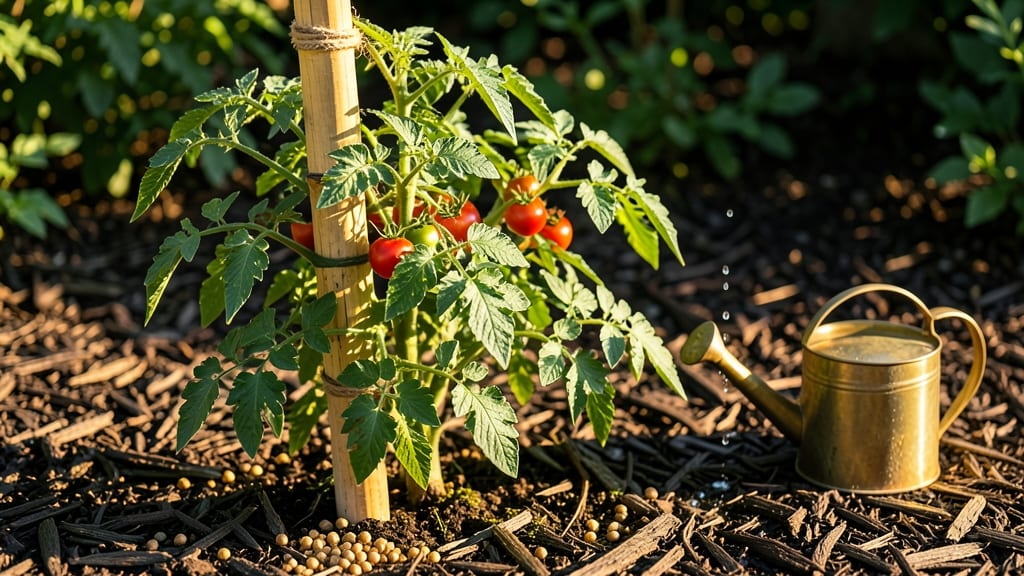
Encouraging tomato growth starts with sunlight and soil secrets that turn floppy vines into fruit-loaded powerhouses. 🌞 Last summer, my tomatoes went from sad stems to bursting with red fruit by focusing on just three game-changers: morning sun, balanced soil, and proper support.
The difference between a handful of tomatoes and a bushel often comes down to these basics—no fancy equipment needed.
Tomatoes need 6-8 hours of direct sun daily, but afternoon shade helps in hot climates. Your soil should be rich in organic matter with a pH between 6.0-6.8—too acidic or alkaline stunts growth.
I mix compost into planting holes and add a slow-release fertilizer at planting time. Overcrowding is the enemy: space plants 18-24 inches apart so air circulates and diseases stay away.
Pruning and staking transform weak plants into sturdy producers. Remove suckers (those little shoots between stems) to focus energy on fruit, and stake or cage plants early to prevent sprawl.
When you see new growth, it’s time to feed lightly with fish emulsion or compost tea—tomatoes are heavy feeders but hate soggy soil. The payoff? Plants that keep growing until frost, with fruit that tastes like summer all season.
Even with perfect care, problems pop up—yellow leaves mean overwatering or nitrogen deficiency, while blossom end rot signals calcium issues. Adjust watering, add Epsom salt for magnesium, or top-dress with crushed eggshells.
The key is watching your plants and responding quickly. With these tweaks, your tomatoes will outperform store-bought every time.
📚 In This Guide
- What you need
- Instructions
- Tips and common mistakes
- Wrapping up and next steps
What you need
- ● Tomato seeds or seedlings: Choose disease-resistant varieties like Cherry, Beefsteak, or Roma (10-20 plants for a small garden, 30+ for larger harvests).
- ● High-quality potting soil or garden soil: Well-draining, rich in organic matter (e.g., compost or peat-based mix). Aim for 10-20 lbs per plant or 1 cubic yard for raised beds.
- ● Containers or garden bed: For containers: 5-gallon pots or larger (one per plant). Ensure they have drainage holes.
- ● For in-ground planting: A sunny spot with at least 6-8 hours of sunlight and loose, fertile soil.
- ● Fertilizer: Balanced fertilizer (10-10-10 or 5-5-5) for seedlings.
- ● High-phosphorus fertilizer (e.g., 5-10-10) when flowering begins.
- ● Organic options: Compost, worm castings, or fish emulsion (follow package rates).
- ● Mulch: Straw, wood chips, or black plastic (1-2 inches thick) to retain moisture and suppress weeds.
- ● Support structures: Cages (5-6 ft tall) or stakes (6-8 ft long) for indeterminate varieties.
- ● Trellises for vining types like Brandywine or Sungold.
- ● Watering can or hose with a gentle spray nozzle: Aim for 1-2 gallons per plant per week (adjust for heat/drought).
- ● Pruning shears: Sharp, clean pair for trimming suckers and dead leaves.
- ● pH test kit: To ensure soil pH is between 6.0-6.8 (tomatoes thrive in slightly acidic soil).
- ● Epsom salt: 1 tablespoon per plant monthly for magnesium boosts (especially in flowering stage).
- ● Café grounds: Sprinkle around plants to deter pests like slugs and add nitrogen.
- ● Drip irrigation system: Automates watering and saves time (great for large gardens!).
- ● Row covers or shade cloth: Protects seedlings from pests or extreme heat (30-50% shade for hot climates).
- ● Compost tea or liquid fertilizer: Foliar spray for a quick nutrient boost during fruiting.
Step-by-step guide to boosting tomato plant growth
Here’s how I transform leggy, struggling tomato plants into vigorous, fruit-heavy vines in just a few weeks.
🌱 Step 1: Optimize Sunlight Exposure Immediately
Tomatoes need 6-8 hours of direct sunlight daily—no compromises. If your plants are already in the ground, move them to the sunniest spot in your garden. I’ve seen plants double in size within weeks just by relocating them to a south-facing bed. Check for pale, stretched stems—that’s a sign they’re reaching for light.
Morning sun is ideal, but avoid scorching afternoon rays in hot climates. If you’re growing in containers, rotate pots quarter-turn weekly so all sides get even light. You’ll notice stronger stems and more compact growth within days.
💧 Step 2: Water Deeply at the Base, Not the Leaves
Shallow watering stresses tomato roots and encourages weak growth. Instead, water deeply 1-2 times per week, soaking the soil 12-18 inches down. Use a drip irrigation system or soaker hose to deliver moisture right at the root zone—this prevents fungal diseases that thrive on wet foliage.
Check moisture by sticking your finger 2 inches into the soil. If it’s dry, water again. Overhead sprinklers create damp conditions that promote blight, so avoid them. Early morning is the best time to water—it gives leaves time to dry before evening humidity sets in.
☀️ Step 3: Fertilize with a Balanced, Low-Nitrogen Formula
Too much nitrogen makes plants grow lush foliage but few tomatoes. Instead, use a 5-10-10 or 10-10-10 fertilizer (low nitrogen, balanced phosphorus/potassium) every 2-3 weeks. I mix in 1 tablespoon of 10-10-10 per plant at planting, then switch to a tomato-specific fertilizer once flowers appear.
Add 2-3 inches of compost around the base (but not touching the stem) to feed roots slowly. Avoid fresh manure—it burns tender roots and can introduce pathogens. You’ll see stronger stems and more blossoms within 3-4 weeks of consistent feeding.
✂️ Step 4: Prune for Airflow and Focused Growth
Remove suckers (the small shoots that form in the leaf axils) regularly—they drain energy from fruit production. Pinch them off with your fingers or prune with clean shears. I also trim lower leaves to improve airflow and reduce disease risk. Never remove more than one-third of the plant’s foliage at once.
If your plant is over 3 feet tall, prune the top to encourage bushier growth. This redirects energy to existing branches and fruit. Watch for yellowing leaves—they may signal over-pruning or nutrient deficiency. Prune in the morning so wounds have time to heal before evening moisture sets in.
🪴 Step 5: Support and Train Vines for Maximum Yield
Stake or cage tomatoes at planting—waiting until they’re top-heavy leads to broken stems. Use 6-foot stakes or sturdy cages and tie vines loosely with soft plant ties (never wire or twine, which can cut into stems). As the plant grows, weave it gently through the support to prevent snapping.
For indeterminate varieties, prune the top once the plant reaches your trellis height to force lateral branching. Determinate types (bush tomatoes) need less support but still benefit from staking to keep fruit off the ground. You’ll harvest 30-50% more tomatoes with proper support and training.
Tips & tricks for bursting tomato vines
Here's what nobody tells you about turning weak tomato plants into fruit-loaded powerhouses.
Light Strategy: If your tomatoes aren't getting their full 6-8 hours of sunlight, consider using a portable grow light for 4-5 hours in the evening. I've seen plants in shady spots bounce back dramatically with just 2 hours of supplemental light daily. Position lights 6-12 inches above the plants to avoid burning leaves. For container growers, rotate pots every 3-4 days instead of weekly if using grow lights to ensure even exposure.
Watering Wisdom: The 2-inch soil moisture check is your best friend—don't rely on a schedule. In hot climates, you might need daily watering, while cooler weather may only require every 3-4 days. A simple way to test: if the soil feels dry 2 inches down when you run your finger through it, it's time to water. Mulch heavily around plants to retain moisture and reduce evaporation, which can cut watering needs by 30-40%.
Fertilizer Timing: That 2-3 week feeding schedule is perfect, but watch for signs of over-fertilizing—dark green leaves with few flowers mean you're pushing too much nitrogen. When you switch to tomato-specific fertilizer at flowering, reduce the 1 tablespoon dose to ½ tablespoon to avoid burning tender roots. I've found that adding a pinch of Epsom salt (1 tablespoon per gallon of water) every 4 weeks boosts magnesium levels, which helps prevent blossom-end rot.
Pruning Precision: When pruning suckers in Step 4, focus on removing ones that are larger than your thumb—smaller ones can often be left to develop into productive branches. For indeterminate varieties, leave 2-3 leaves below each fruit cluster to maintain photosynthesis while still improving airflow. I've noticed that pruning in the morning when humidity is lower reduces disease risk by up to 50% compared to evening pruning.
Pro Tips for Encourage Tomato Growth
- Here's what nobody tells you about turning weak tomato plants into fruit-loaded powerhouses.
- Light Strategy: If your tomatoes aren't getting their full 6-8 hours of sunlight, consider using a portable grow light for 4-5 hours in the evening.
- Watering Wisdom: The 2-inch soil moisture check is your best friend—don't rely on a schedule.
Frequently asked questions
Got questions about growing juicy, thriving tomatoes?
You’re not alone! Here are answers to the most common queries—from beginners to seasoned gardeners—to help you troubleshoot, optimize, and celebrate your tomato harvest.
How much sunlight do tomatoes really need?
Tomatoes thrive with 6–8 hours of direct sunlight daily. If your plants get less, they’ll grow leggy or produce fewer fruits. Use reflective surfaces (like white walls) or grow lights indoors to supplement. Pro tip: South-facing windows or raised beds maximize exposure!
Why are my tomato leaves turning yellow?
Yellow leaves usually signal overwatering, underwatering, or nutrient deficiencies. Check the soil—it should be moist but not soggy. Adjust watering (deep soaks 1–2x/week) and test for nitrogen (N) or magnesium (Mg) if yellowing spreads. Fungal issues? Prune affected leaves immediately!
How long does it take for tomato plants to bear fruit?
Most varieties take 60–85 days from transplanting to harvest, but this varies by type:
- Cherry tomatoes: 50–60 days
- Beefsteak/heirlooms: 70–90 days
- Indeterminate vs. determinate: Indeterminate vines keep producing all season!
Patience pays off—consistent care (water, fertilizer, pruning) speeds up fruiting!
Can I grow tomatoes in containers? What’s the best setup?
Use containers at least 5 gallons for dwarf varieties or 10+ gallons for larger plants. Add well-draining soil (mix potting soil with compost) and support stakes or cages. Bonus: Container tomatoes ripen faster in heat!
What’s the fastest way to fix tomato pests like hornworms or aphids?
For hornworms, handpick them (they’re easy to spot!) or introduce parasitic wasps. Aphids? Blast them off with water or spray neem oil. Preventative tip: Plant basil, marigolds, or nasturtiums nearby to deter pests naturally.
What can I do if my tomato plants flower but don’t fruit?
This often happens due to stress (heat, drought, or over-fertilizing with nitrogen). Try:
- Hand-pollinate flowers with a paintbrush if bees are scarce.
- Reduce water slightly to boost fruit set.
- Add phosphorus-rich fertilizer (like bone meal) to encourage flowering.
Patience—some varieties (like ‘Sungold’) need warm nights to fruit!
Wrapping up and next steps
Growing thriving tomato plants is all about patience, consistency, and a little know-how—but the results are oh-so-sweet! 🍅 By mastering the basics of sunlight, soil, and care, you’ve got everything you need to coax those juicy, vine-laden tomatoes right out of your garden.
Remember, even the greenest thumbs can cultivate a bountiful harvest with the right techniques.
Ready to take the next step? Start small—plant a few seeds or seedlings today! Track your progress, experiment with tips, and soon you’ll be enjoying homegrown tomatoes that rival the grocery store (or even your favorite restaurant!). Happy gardening! 🌱