
Fertilization
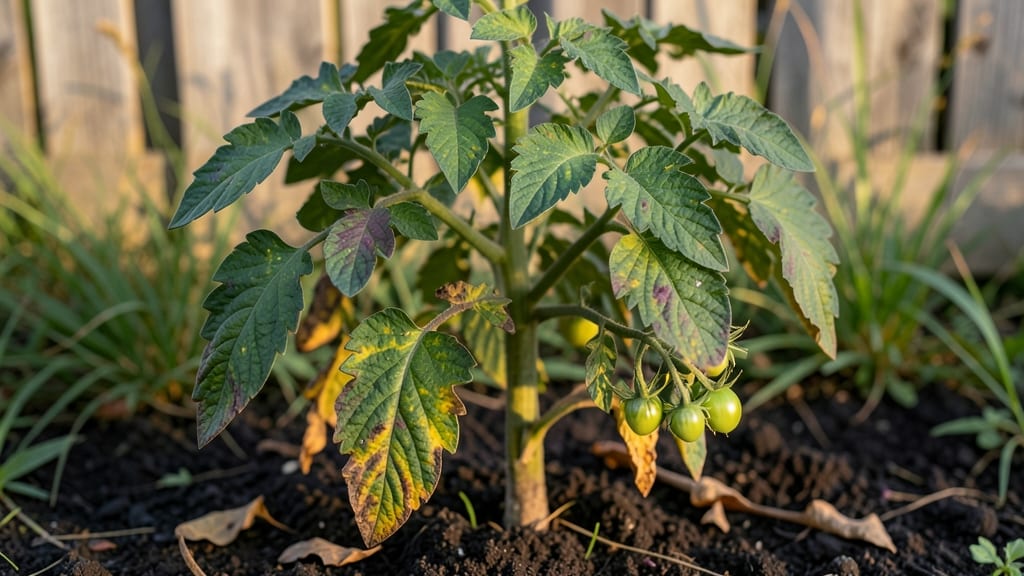
Your tomatoes are screaming for help when those leaves turn yellow—this is your calcium and magnesium rescue mission. 🌱 I’ve seen nutrient deficiencies turn lush plants into sad, stunted shadows, but the fix is simpler than you think.
The first step is identifying whether it’s nitrogen, potassium, or those two critical minerals causing the chaos.
Yellowing leaves on tomatoes usually mean one of three things: nitrogen starvation (pale, weak growth), potassium deficiency (brown leaf edges), or calcium and magnesium shortages (crinkled, yellowing lower leaves). I’ve fixed all three by testing my soil first—because guessing just leads to wasted money and frustrated plants.
A simple at-home soil test kit (or even a spoonful of soil in a jar of vinegar) can reveal what’s missing.
For calcium, crushed eggshells or gypsum work wonders—just sprinkle them around the base and water in. Magnesium? Epsom salt dissolved in water (1 tablespoon per gallon) gives a quick boost.
Within 2-3 weeks, you’ll see new growth with vibrant green leaves, and those tomatoes will plump up like they’re supposed to. The secret? Consistency—don’t just treat the symptoms, feed the soil.
Prevention is easier than cure: mix compost into your beds every season, rotate crops, and avoid overwatering (which leaches nutrients away). My go-to trick? A balanced organic fertilizer like 5-5-5 in early summer keeps plants thriving without the guesswork.
Now go save those tomatoes before they turn into sad, yellow souvenirs of what could’ve been.
📚 In This Guide
- What you need
- Instructions
- Tips and common mistakes
- Wrapping up and next steps
What you need
- ● Tomato plants showing early signs of deficiency (yellowing leaves, curled edges, or blossom-end rot).
- ● pH testing kit (liquid or digital) to check soil acidity (ideal range: 6.0–7.0).
- ● Calcium supplement (choose one): Calcium nitrate (15–20% calcium) – 1–2 tbsp per gallon of water.
- ● Gypsum (calcium sulfate) – 1–2 cups per 10 sq ft of soil (slow-release).
- ● Crushed eggshells (organic option) – 1 cup blended into soil per plant.
- ● Magnesium supplement (choose one): Epsom salt (magnesium sulfate) – 1 tbsp per gallon of water.
- ● Magnesium sulfate flakes – ½ tsp per plant mixed into soil.
- ● Watering can or spray bottle (for foliar applications).
- ● Gloves and safety goggles (if handling concentrated fertilizers).
- ● Soil moisture meter to avoid overwatering during treatment.
- ● Pruning shears for removing severely damaged leaves (sterilize with rubbing alcohol!).
- ● Compost or worm castings (½ cup per plant) to improve soil structure and nutrient absorption.
- ● pH adjuster (lime to raise pH or sulfur to lower it) if soil is outside 6.0–7.0.
- ● Label maker to tag plants and track deficiency progress.
Step-by-step instructions for diagnosing and fixing tomato nutrient deficiencies
Here's how to identify yellow leaf issues and restore your plants with targeted calcium and magnesium solutions.
🌿 Step 1: Diagnose the Specific Deficiency Through Leaf Patterns
Start by examining the yellowing pattern—this reveals exactly what your tomatoes need. Calcium deficiency (blossom-end rot precursor) shows as yellowing between leaf veins, often starting at the older leaves. Magnesium deficiency creates yellow patches between veins but typically begins on lower leaves first, with green veins standing out starkly against yellow tissue.
Check the undersides of leaves for tiny white crusts—this is a dead giveaway for calcium buildup from over-fertilizing. If you see this, you're overdoing it with calcium supplements. For magnesium, look for pale yellow leaves with dark green veins—this classic "interveinal chlorosis" is unmistakable once you know what to spot.
💧 Step 2: Apply Targeted Foliar Sprays for Immediate Relief
Mix 1 tablespoon of calcium nitrate (for calcium issues) or 1 tablespoon of Epsom salt (for magnesium) into 1 gallon of lukewarm water. Add a few drops of liquid dish soap as a surfactant to help the solution stick to leaf surfaces. Spray thoroughly on both leaf sides, focusing on the lower leaves where deficiencies often start.
Apply in the early morning or late afternoon to prevent leaf burn from sunlight. You'll see results within 7-10 days if the deficiency was mild—look for new growth with normal green coloration. For severe cases, repeat the spray every 3-4 days until you notice improvement in the foliage's vibrancy.
✂️ Step 3: Adjust Soil Nutrition Through Root Feeding
For calcium deficiencies, work 1 tablespoon of gypsum (calcium sulfate) into the top 6 inches of soil around each plant. Gypsum is slow-release and won't raise soil pH, making it ideal for calcium correction. Water the area well after application to help the granules dissolve and reach roots.
For magnesium, mix 1 tablespoon of Epsom salt into 1 gallon of water and water the plants at the base until the solution runs through the soil. Do this once every 2 weeks during the growing season. Avoid over-application—too much magnesium can block calcium uptake, creating a new deficiency cycle.
☀️ Step 4: Monitor and Maintain Balanced Nutrition
After treatment, watch for new leaf growth—healthy leaves should emerge with uniform green color and no yellowing between veins. If you notice new yellowing after 2 weeks, the deficiency may be related to iron or zinc instead, which requires a different approach like chelated iron supplements.
Keep soil pH between 6.0-6.8 for optimal calcium and magnesium uptake. Test your soil annually—many deficiencies stem from improper pH levels rather than actual nutrient shortages. Mulch with composted organic matter to provide slow-release nutrients and improve soil structure over time.
Tips & tricks for diagnosing and fixing tomato nutrient deficiencies
Here's what nobody tells you about reading your tomato plants like a pro—these details separate quick fixes from lasting recovery.
Leaf Pattern is Your First Clue: Pay close attention to where yellowing starts. Calcium deficiency shows as yellowing between veins on older leaves first, while magnesium deficiency creates yellow patches between veins but begins on lower leaves with green veins standing out starkly. This visual distinction is your roadmap to the right treatment—don't guess, observe carefully.
Timing Matters for Foliar Sprays: The 7-10 day window mentioned for seeing results assumes mild deficiencies and ideal growing conditions. In hotter climates or during drought, you may notice improvement within 5-7 days, while cooler weather can extend this to 12-14 days. Apply sprays consistently at the same time each day (early morning or late afternoon) to maintain even coverage and prevent leaf burn.
Soil pH is the Hidden Variable: While the instructions mention maintaining pH between 6.0-6.8, here's the catch: calcium becomes less available as pH rises above 7.0, while magnesium becomes less available below 6.0. Test your soil before applying supplements—this single factor explains why some gardeners see no improvement despite following the treatment steps perfectly. A simple soil test kit costs pennies and saves hours of frustration.
Root Feeding Technique: When working gypsum into the soil for calcium correction, focus on the root zone where new growth emerges. Water thoroughly after application to dissolve the granules—this creates a calcium-rich zone that roots can access immediately. For magnesium, apply the Epsom salt solution slowly to avoid runoff, letting it penetrate the top 6 inches of soil where most roots reside.
Pro Tips for Tomato Nutrient Deficiency
- Here's what nobody tells you about reading your tomato plants like a pro—these details separate quick fixes from lasting recovery.
- Leaf Pattern is Your First Clue: Pay close attention to where yellowing starts.
- Timing Matters for Foliar Sprays: The 7-10 day window mentioned for seeing results assumes mild deficiencies and ideal growing conditions.
Frequently asked questions
about tomato nutrient deficiencies—especially calcium and magnesium—can save your harvest! Here are answers to the most common concerns gardeners face.How quickly can I see results after fixing a calcium or magnesium deficiency?
With proper amendments (like calcium nitrate or Epsom salt), you may notice improvements in 1–2 weeks. New growth should look firmer and healthier, and blossom-end rot (a calcium deficiency symptom) may stop spreading. For severe cases, it could take 3–4 weeks to fully recover.
Can I use household items like eggshells or coffee grounds to fix these deficiencies?
Yes! Crushed eggshells (baked and ground) provide calcium, while coffee grounds add magnesium. However, they’re slow-release—mix them into the soil 4–6 weeks before planting or use them as a top dressing. For faster results, pair them with commercial fertilizers like calcium nitrate.
What if my tomato leaves turn yellow and have brown spots—could it be something else?
Yellow leaves with brown spots could signal fungal diseases (early blight), pests (aphids), or overwatering. Check the undersides of leaves for pests and ensure proper drainage. If the issue persists, test your soil’s pH (aim for 6.0–6.8)—extreme pH can block nutrient uptake, even with calcium/magnesium present.
Should I water more or less if my tomatoes have a nutrient deficiency?
Inconsistent watering worsens deficiencies! Tomatoes need 1–2 inches of water weekly, delivered deeply but evenly. Drought stress (or overwatering) can prevent roots from absorbing calcium/magnesium. Water at the base of plants in the morning to reduce evaporation and fungal risks.
Are there tomato varieties less prone to calcium/magnesium deficiencies?
No variety is completely immune, but some handle stress better. Determinate tomatoes (like ‘Roma’ or ‘Celebrity’) often ripen faster, reducing blossom-end rot risks. For heavy feeders, try ‘Solar Fire’ or ‘Mountain Merit’, which are bred for disease resistance and consistent yields—though proper fertilization is still key!
Wrapping up and next steps
Recognizing and addressing tomato nutrient deficiency—especially calcium and magnesium shortages—can transform your struggling plants into thriving, fruitful vines. 🌱 With the right mix of soil amendments, foliar sprays, and consistent care, you’re well on your way to lush green leaves and bountiful harvests. Don’t let yellowing leaves slow you down—take action today!
Your next step? Monitor your tomatoes weekly and adjust treatments as needed.
Keep a garden journal to track progress, and soon, you’ll be enjoying homegrown tomatoes with confidence! 🍅✨