
Pests and Diseases
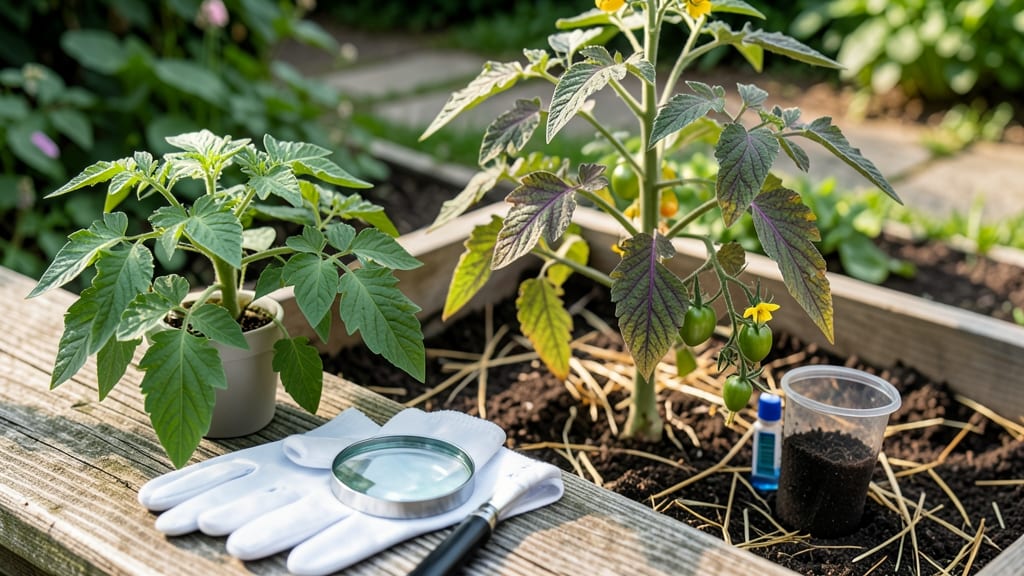
Seeing purple veins on tomato leaves can turn your thriving plants into a mystery. 🌱 I’ve spent years diagnosing this frustrating symptom, and it’s rarely what beginners expect—often a mix of nutrient stress and hidden diseases that sneak up when conditions are just right.
The most common culprits are phosphorus deficiency, early blight, or even temperature swings that confuse the plant’s growth. That deep purple along the veins isn’t just cosmetic—it’s your tomato’s way of screaming for help before yield takes a hit. The good news?
Most cases fix with targeted soil amendments or pruning, not drastic measures. By the end of this guide, you’ll know exactly how to test your soil, spot the difference between nutrient issues and fungal infections, and restore those leaves to vibrant green.
No more guessing—just actionable steps to save your harvest. We’ll cover everything from quick fixes for mild cases to long-term prevention for next season’s plants. Let’s get those tomatoes back on track!
Root Causes Behind Leaf Discoloration
When your tomato plants start showing purple veins on their leaves, it’s often a cry for help—your plants are signaling a nutrient imbalance or environmental stress. Understanding the why behind this discoloration is the first step to saving your harvest.
Below, we break down the most common culprits, backed by science, so you can diagnose and act fast.
Calcium is the structural backbone of plant cell walls, and when levels drop, tomato leaves develop interveinal chlorosis (yellowing between veins) followed by purple or reddish hues along the veins. This issue is especially common in:
- Fast-growing plants: Tomatoes with rapid growth (like cherry varieties) outpace calcium uptake, leaving older leaves starved.
- Poor soil drainage: Waterlogged roots can’t absorb calcium efficiently, even if it’s present in the soil.
- High soil pH (>7.0): Calcium becomes locked in the soil, making it unavailable to roots.
Actionable fix: Apply calcium nitrate or gypsum (calcium sulfate) every 2–3 weeks. For container plants, use a calcium-rich fertilizer (like 10-10-10 with added calcium) or a lime treatment to adjust pH.
Phosphorus is crucial for energy transfer in plants, but too much (often from over-fertilizing with high-phosphate mixes) can mask calcium deficiency symptoms—leading to purple veins as a secondary stress response. This is more likely in:
- Soils rich in organic matter (e.g., compost-heavy beds) where phosphorus builds up over time.
- Cold or compacted soils: Roots struggle to access phosphorus, triggering a cascade of nutrient imbalances.
Actionable fix:
- Test your soil’s phosphorus-to-potassium (P:K) ratio—ideal is 1:2 or 1:3.
- Switch to a balanced fertilizer (e.g., 5-10-10) and avoid bone meal or superphosphate overuse.
Tomatoes are warm-season crops, and extreme conditions—whether hotter than 90°F (32°C) or colder than 50°F (10°C)—can disrupt nutrient uptake, leading to purple veins. Key stressors include:
| Condition | Impact on Tomato Plants | Quick Fix |
|---|---|---|
| Heat Stress | High temps reduce calcium mobility in the plant, causing veins to turn purple as a stress signal. | Provide afternoon shade (e.g., shade cloth) and mulch heavily to retain moisture. |
| Cold Snaps | Chilly nights slow root activity, preventing nutrient absorption even if soil is rich. | Use row covers or black plastic mulch to warm soil; avoid fertilizing until temps rise above 60°F (15°C). |
| Low Light | Weak light limits photosynthesis, forcing plants to "steal" phosphorus from other nutrients, including calcium. | Ensure 6+ hours of direct sun; prune nearby plants blocking light. |
While nutrient deficiencies are the primary cause, pests and diseases can exacerbate—or mimic—purple veins by damaging roots or leaves, disrupting nutrient flow. Watch for:
- Root-knot nematodes: These microscopic worms girdle roots, reducing water and nutrient uptake. Purple veins appear as a secondary symptom.
- Verticillium or Fusarium wilt: Fungal infections block xylem vessels, starving leaves of calcium and phosphorus, leading to discoloration.
- Aphids or spider mites: Sap-sucking pests stress leaves, causing them to turn purple as a defense mechanism.
Actionable fix:
- For nematodes: Solarize soil (cover with clear plastic for 4–6 weeks) or apply neem oil as a preventive spray.
- For fungal wilt: Remove infected plants immediately and sterilize tools with 70% alcohol.
- For pests: Spray with insecticidal soap or introduce ladybugs for natural control.
💡 Pro Tip: If purple veins appear suddenly on new growth, it’s likely a nutrient issue. If they’re on older leaves with yellowing or wilting, suspect root damage or disease. Act fast—tomatoes recover better from deficiencies than from fungal infections!
Fixing Purple Veins on Tomato Leaves
Now that you know the likely causes behind those unsightly purple veins on your tomato leaves—whether it’s nutrient deficiencies, fungal infections, or environmental stress—it’s time to take action! Here’s a practical, step-by-step guide to diagnosing the issue and restoring your plants to full, vibrant health.
Before jumping into treatments, narrow down the root of the problem.
Check for these clues: - Nutrient Deficiency? Look for yellowing between veins (magnesium) or overall stunted growth (potassium). - Fungal Infection? Spot dark spots, wilting, or a powdery coating on leaves. - Environmental Stress? Inspect for uneven watering, extreme heat, or poor drainage.
Pro Tip: 💡 Snap a photo of the affected leaves and compare them to online guides (like those from [University of California Agriculture](https://ucanr.edu/)) for a second opinion.
If purple veins stem from a lack of key nutrients, act fast with these fixes:
| Nutrient | Symptoms | Solution | Prevention |
|---|---|---|---|
| Magnesium | Purple veins + yellowing between veins | Apply Epsom salt (1 tbsp per gallon of water) as a foliar spray or soil drench. Repeat every 2 weeks. | Mix compost or aged manure into soil before planting. Avoid overwatering. |
| Potassium | Weak stems, purple edges, poor fruit | Use a balanced fertilizer (like 10-10-10) or banana peel tea (steep peels in water for 24 hours). | Mulch with wood ash or kelp meal for long-term potassium boosts. |
| Phosphorus | Dark purple stems/leaves, slow growth | Add bone meal or rock phosphate to the soil. Avoid over-fertilizing. | Plant cover crops like clover before tomatoes to enrich soil. |
Pro Tip: 🌡️ Test your soil (use a DIY kit or send a sample to a local extension office) to avoid guessing. Over-fertilizing can burn roots!
If purple veins are paired with fungal signs (like spots or mold), tackle the problem with these methods:
- 🍄 Copper Fungicide Spray Mix 1 tsp copper sulfate with 1 gallon of water and spray leaves (early morning or evening). Reapply every 7–10 days. Caution: Avoid spraying in direct sunlight to prevent leaf burn.
- 🌿 Baking Soda Solution Combine 1 tsp baking soda, 1 tsp vegetable oil, and 1 gallon of water. Add a drop of dish soap as a surfactant. Spray every 5–7 days.
- 🌳 Prune and Clean Remove infected leaves immediately (compost them away from the garden). Sterilize pruners with rubbing alcohol between cuts.
Pro Tip: ✨ Improve airflow by spacing plants 18–24 inches apart and avoiding overhead watering.
Environmental stress often worsens nutrient uptake. Fix these common issues:
- 🔥 Overwatering or Poor Drainage
- Let soil dry 1–2 inches deep between waterings.
- Amend heavy clay soil with perlite or sand to improve drainage.
- 🌞 Extreme Heat or Cold
- Provide shade cloth (30–50% coverage) during heatwaves.
- Use row covers in early spring or late fall to protect from chilly nights.
- 🍃 Uneven Water Distribution Water at the base of the plant (not leaves) in the early morning to prevent fungal growth.
Pro Tip: 🎯 Mulch with straw or grass clippings to retain moisture and regulate soil temperature.
Once your tomatoes are back on track, keep them thriving with these long-term strategies:
- 🌱 Soil Health
- Rotate crops annually to prevent nutrient depletion.
- Add compost tea every 4–6 weeks for a gentle nutrient boost.
- 🍅 Variety Selection Choose disease-resistant tomato varieties (e.g., ‘Celebrity’, ‘Mountain Merit’) if fungal issues are recurrent.
- 📅 Regular Monitoring Inspect leaves weekly for early signs of stress. Act fast—purple veins spread quickly!
With consistent care, you should see improvement in 1–3 weeks:
- Nutrient fixes: Expect new growth in 7–14 days.
- Fungal treatments: Clear-up may take 2–3 weeks; remove severely infected plants if they don’t improve.
- Environmental adjustments: Effects are immediate (e.g., better watering = less stress).
Remember: 🍅 Don’t harvest affected fruit—focus on saving the plant for future yields. If the issue persists, consider replacing the plant to avoid spreading problems.
Frequently asked questions
Are purple veins on tomato leaves always a sign of disease?
No, they’re rarely caused by disease alone! Purple veins typically signal nutrient imbalances (like calcium or phosphorus deficiency) or environmental stress. Check for other symptoms: if leaves are also yellowing between veins or wilting, it’s likely a deficiency. If you see dark spots or mold, that’s a fungal infection.
Can I still eat tomatoes from plants with purple veins?
Yes, but focus on saving the plant—not the fruit. Purple veins usually affect leaves first, and the fruit may still be safe to eat. Avoid harvesting from severely infected plants (especially if fungal disease is present) to prevent spreading issues. For nutrient deficiencies, the fruit quality often improves once you fix the soil.
How quickly should I see results after treating purple veins?
Timing depends on the cause: nutrient fixes show improvement in 7–14 days (new growth appears green), while fungal treatments take 2–3 weeks. Environmental changes (like better watering) can help immediately. If no progress after 3 weeks, reassess—you may need stronger solutions or soil testing.
Will Epsom salt help if my tomato leaves have purple veins?
Only if magnesium deficiency is the issue! Epsom salt (magnesium sulfate) works for purple veins plus yellowing between veins. For other causes (like calcium deficiency or fungal infections), it won’t help. Test your soil first—overusing Epsom salt can actually worsen phosphorus imbalances.
Can I fix purple veins on tomato leaves in containers?
Container plants often need more frequent attention. Flush the soil with water to remove excess salts, then add a calcium-rich fertilizer (like 10-10-10) or gypsum. Ensure pots have drainage holes and use a well-draining potting mix. Container tomatoes also benefit from weekly foliar sprays of diluted seaweed extract.