
Companion Plants
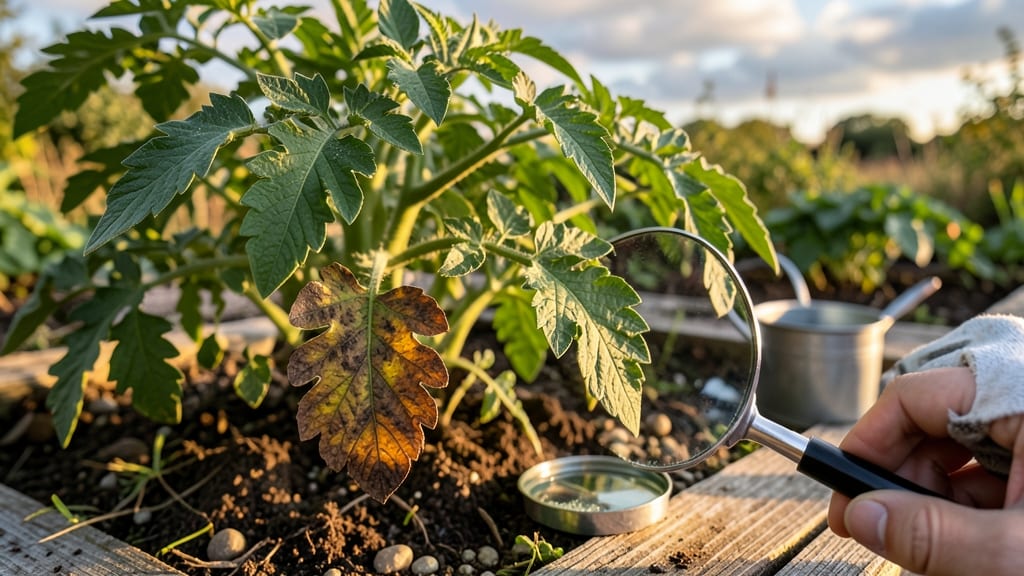
Your tomato plants turning brown at the bottom isn’t just ugly—it’s a sign they’re screaming for help. 🌱 I’ve seen this happen to even the hardiest plants, and the fix is simpler than you’d think: a calcium boost and a few key adjustments that stop the rot before it spreads.
The good news? You can often save your plants and prevent future damage with just a few targeted steps.
This isn’t just about watering better—though that helps. The real culprit is often blossom end rot, a calcium deficiency that causes those telltale brown, sunken spots on the bottom of your tomatoes. It’s not a fungus, not a bug, and it’s not your fault—it’s just your soil playing tricks.
The fix starts with calcium-rich amendments like crushed eggshells or gypsum, paired with consistent moisture (no droughts, no soggy soil).
Once you spot the brown patches, act fast: prune off the worst-affected fruit to redirect the plant’s energy, and give it a calcium spray (like diluted milk or a commercial solution) to rebuild those cell walls.
Within days, you’ll see new growth pushing out, and your plants will bounce back—stronger than before. The key is catching it early, so keep an eye on those bottoms!
This works for container gardens, raised beds, and in-ground plots alike. The same principles apply whether you’re growing cherry tomatoes or beefsteaks—calcium is calcium. Let’s turn those brown spots into a thing of the past and get you back to harvesting juicy, healthy tomatoes.
Root Causes Of Bottom Browning
If your tomato plants are showing brown, leathery patches on the bottom—especially near the blossom end—don’t panic just yet. This common issue, often called blossom end rot, usually stems from a few key factors.
Understanding the why behind it is the first step to fixing it. Let’s break down the most likely culprits and what’s really going on in your garden.
🌱 Calcium Deficiency: The Biggest Offender
Tomatoes are calcium-hungry plants, and when they don’t get enough, the cells at the blossom end (the opposite side of the stem) can’t properly form their protective barriers. Without calcium, these cells literally collapse, turning brown and mushy. Here’s why it happens:
- Rapid Fruit Growth: When tomatoes grow too quickly—thanks to plenty of water and fertilizer—they can’t absorb calcium fast enough to keep up. Think of it like a bank account with too many withdrawals but not enough deposits.
- Poor Soil Calcium Levels: Sandy or acidic soils naturally lack calcium. Even if you’re fertilizing, the calcium might not be in a form the plant can use (like calcium nitrate or gypsum).
- Imbalanced Nutrition: Too much nitrogen (the "green" fertilizer) or potassium can outcompete calcium, leaving your tomatoes starved for the mineral they need most.
💡 Pro Tip: Test your soil’s pH—ideal for tomatoes is 6.0–6.8. If it’s too acidic (<6.0), calcium becomes locked up and unavailable, even if it’s present.
💧 Watering Woes: Too Much, Too Little, Or Too Inconsistent
Calcium moves through the plant via water, so uneven moisture levels can disrupt its delivery system. Here’s how watering goes wrong:
- Drought Stress: When soil dries out, roots struggle to pull up calcium. Even after rewatering, the damage is done—those bottom cells are already dead.
- Overwatering: Soggy soil cuts off oxygen to roots, slowing nutrient uptake. Plus, excess water leaches calcium away before the plant can absorb it.
- Inconsistent Watering: Plants thrive on predictability. If you water deeply one day and lightly the next, calcium transport becomes erratic, leading to spotty browning.
🔥 Key Fix: Aim for 1–1.5 inches of water per week, delivered consistently. Use drip irrigation or soaker hoses to keep moisture even.
🌡️ Temperature Fluctuations: Stressing Out Your Plants
Tomatoes are sensitive to extreme heat or cold, especially during flowering and fruiting. When temperatures swing wildly:
- Heat Stress (Above 90°F): High temps accelerate transpiration (water loss through leaves), but roots can’t keep up with calcium absorption. The plant prioritizes water over nutrients, leaving the blossom end vulnerable.
- Cold Snaps (Below 50°F): Chilly nights slow root activity, reducing calcium uptake. Even a single cold night can trigger rot in developing fruit.
- Poor Air Circulation: Humid, stagnant air (common in dense plantings) can cause physiological disorders, including uneven calcium distribution.
🌡️ Quick Solution: Mulch with straw or grass clippings to stabilize soil temps. If heat is intense, provide afternoon shade with floating row covers or shade cloth.
🧪 Soil Issues: Compacted, Salty, Or Nutrient-Depleted Ground
Not all soil is created equal—and some actively blocks calcium from reaching your tomatoes. Check for these red flags:
- Compacted Soil: Heavy clay or foot-trodden soil restricts root growth. Roots can’t spread out to access calcium-rich zones deeper in the soil.
- High Salt Content: Over-fertilized or salty soil (from hard water or commercial fertilizers) creates an osmotic imbalance, making it harder for roots to absorb calcium.
- Low Organic Matter: Soil without compost or aged manure lacks the microbes that help break down calcium into plant-available forms.
✨ Soil Revival Tips:
- Amend with compost or well-rotted manure to improve structure and microbial activity.
- Add gypsum (calcium sulfate) to break up clay and supply calcium.
- Avoid fresh manure—it can burn roots and worsen nutrient imbalances.
🍅 Hereditary Factors: Some Tomatoes Are Just More Prone
Not all tomato varieties are equally resilient. Heirloom and indeterminate types (like 'Brandywine' or 'Cherokee Purple') often show blossom end rot more frequently than hybrid varieties bred for calcium efficiency. Why?
- Genetic Sensitivity: Some tomatoes have weaker cell walls in the blossom end, making them more susceptible to calcium-related disorders.
- Slow Growth Rate: Varieties that mature quickly may not develop strong enough vascular systems to transport calcium efficiently.
- Fruit Load: Heavy-bearing plants (like 'Beefsteak' tomatoes) can outpace their calcium supply, especially in less-than-ideal conditions.
🎯 Workaround: If you love heirlooms, prune aggressively to limit fruit load and apply calcium-rich fertilizers like kelp meal or crushed eggshells.
Quick Fixes For Wilted Tomato Bottoms
Now that you know what’s causing those unsightly brown patches on your tomato plants, let’s roll up our sleeves and get them back to their vibrant, productive selves! The good news?
Most solutions are simple, cost-effective, and can even prevent future issues. Below, we’ve broken down the best fixes based on the root cause—plus some pro tips to keep your tomatoes thriving.
If your tomato bottoms are leathery, sunken, and brown (classic blossom end rot), calcium is your knight in shining armor. This issue is the most common, and luckily, it’s one of the easiest to remedy.
🍳 Immediate Calcium Boost
- Epsom Salt Soak (Fast Relief)
- Mix 1 tablespoon of Epsom salt (magnesium sulfate) in 1 gallon of water.
- Soak the affected plants’ roots for 10-15 minutes or lightly spray the soil around them.
- Why? Magnesium helps calcium absorption, giving your tomatoes a quick calcium kick.
- Crushed Eggshells (Natural & Free!)
- Save eggshells, rinse them, dry them, and crush them into a fine powder.
- Sprinkle 1-2 teaspoons per plant around the base and lightly water it in.
- Pro Tip: 🌡️ Bake eggshells at 200°F for 10 minutes to sterilize and speed up breakdown.
- Calcium Supplement Spray
- Use a liquid calcium supplement (like calcium nitrate) mixed with water.
- Spray directly on leaves and soil every 7-10 days until new growth appears.
✨ Prevention for the Future
- Test your soil (pH should be 6.0-6.8 for best calcium uptake).
- Add compost or aged manure to improve soil structure and nutrient availability.
- Water consistently—avoid drought stress, which worsens calcium uptake issues.
If your tomatoes are soft, mushy, and brown (not just dry and leathery), they might be root-bound or overwatered. Here’s how to save them:
💧 Drain & Aerate the Soil
- Stop Watering Immediately
- Let the soil dry out slightly before watering again. Sticky, soggy soil = root rot risk.
- Improve Drainage
- Mix perlite or coarse sand into the soil around the plant to help water drain faster.
- If planting in containers, ensure pots have drainage holes and use a well-draining potting mix.
- Prune Damaged Leaves
- Snip off any black, mushy, or yellowing leaves with clean scissors to prevent further spread.
🌱 Revive Stressed Plants
- Apply a balanced fertilizer (like 10-10-10) to help recovery.
- Mulch around the base (straw or shredded leaves) to keep moisture levels stable.
If the browning is spreading quickly, oozing, or accompanied by mold, you might be dealing with a pathogen. Act fast!
🧴 Fungicide & Copper Spray
- Remove Infected Plant Debris
- Pull up and dispose of (not compost!) any severely affected leaves or plants.
- Apply Copper Fungicide
- Spray copper-based fungicide (like Bordeaux mixture) on both leaves and soil every 7-10 days.
- Alternative: A 1% hydrogen peroxide spray (30% solution diluted) can help.
- Improve Air Circulation
- Prune overcrowded branches to allow better airflow.
- Avoid overhead watering—water at the base instead.
🛡️ Prevent Future Outbreaks
- Rotate crops—don’t plant tomatoes in the same spot next year.
- Solarize the soil (cover with clear plastic for 4-6 weeks in hot sun) to kill pathogens.
- Use resistant varieties (like ‘Mountain Merit’ or ‘Celebrity’) if fungal issues are recurrent.
No matter the issue, these universal tips will help your tomatoes bounce back:
- Morning Watering: Water early in the day so leaves dry quickly (reduces fungal risk).
- Consistent Moisture: Keep soil evenly moist (not soggy, not bone-dry).
- Support Struggling Plants: Use cages or stakes to prevent physical damage from wind/rain.
- Monitor & Adjust: Check plants daily for new signs of stress and act fast!
With these fixes, your tomato plants should perk up in no time—and you’ll be on your way to a bountiful, rot-free harvest! 🍅✨
Frequently asked questions
Why do only some tomatoes on my plant have brown bottoms while others look fine?
This is completely normal! When calcium levels are low, the plant prioritizes delivering nutrients to newer fruit. Older tomatoes (or those growing fastest) often show signs first. The uneven browning happens because calcium moves through the plant's vascular system—once a tomato reaches a certain size, it can "outpace" the available calcium supply.
Can I still eat tomatoes with brown bottoms, or should I toss them?
You can eat them, but with caution. The browned area is usually just the skin and outer layer—cut off the affected portion and the rest is safe. However, if the tomato feels mushy or smells off, it's better to discard it. The real concern is saving your plant for future harvests, not wasting one or two affected fruits.
How quickly should I expect to see improvement after adding calcium?
With proper calcium treatment, you should see new growth showing within 7-10 days. Existing brown spots won't disappear—they're already dead tissue—but new tomatoes should develop without the issue. For best results, combine calcium applications with consistent watering (1-1.5 inches per week) and mulching to stabilize soil moisture.
Will my tomato plants recover completely, or will the damage be permanent?
The plant itself will recover fully, but the affected fruit is lost. The key is catching the issue early—once you see brown spots, your plant is already signaling distress. With proper calcium management and consistent care, your tomato plants will produce healthy new fruit. The roots and stems remain unaffected; it's just the fruit that shows the symptoms.
Is there a difference between brown spots from blossom end rot and sunscald?
Yes! Sunscald appears as white or pale yellow patches on the side of tomatoes exposed to direct sun, while blossom end rot shows as dark brown, sunken spots on the bottom. Sunscald happens when tomatoes get too much sun after heavy rain (water acts like a magnifying glass), but it's not as common as calcium deficiency. Both issues can occur together, so check both the bottom and sides of your fruit.