
Companion Plants
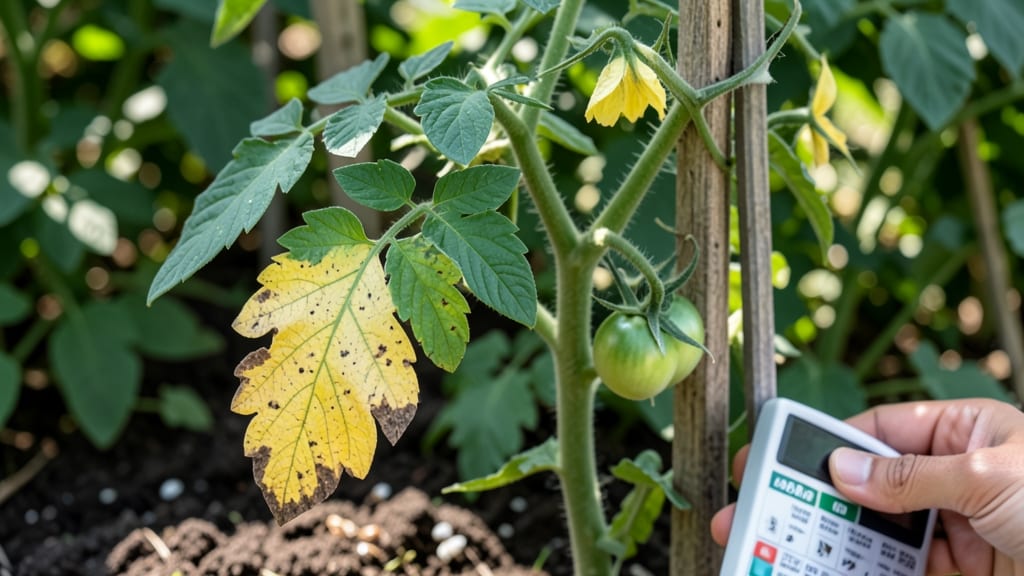
Your tomato plants turning yellow at the bottom isn’t just cosmetic—it’s a cry for help from the roots. 🌱 I’ve seen this happen after a heavy rain, when new gardeners overwater, or when soil pH gets wonky. The good news? Most cases fix in 24-48 hours with the right approach.
Overwatering is the #1 culprit, drowning roots and starving them of oxygen. Nutrient deficiencies (especially nitrogen or magnesium) and fungal issues like early blight also cause that telltale yellowing. Even compacted soil can strangle roots, leaving leaves looking sad and limp.
Here’s the game-changer: start by checking soil moisture—stick your finger 2 inches deep. If it’s soggy, hold off on watering. For nutrient issues, a balanced fertilizer or Epsom salt (for magnesium) works wonders. And if blight’s to blame, prune infected leaves immediately and space plants for airflow.
This method works for both container and in-ground tomatoes, and you’ll see improvement within a week. The key is acting fast—once roots start rotting, recovery gets trickier. Let’s get those plants back to vibrant green!
Understanding the Root Causes
Yellowing at the bottom of your tomato plants isn’t just a cosmetic issue—it’s a cry for help from your plants! Whether your tomatoes are thriving in containers or sprawling in garden beds, the color shift from vibrant green to pale yellow is often a sign of underlying stress.
Let’s dig into the real culprits behind this common problem, so you can diagnose—and fix—it fast.
💧 Too much love can drown your plants—literally.
Tomatoes hate soggy feet. When roots sit in waterlogged soil for too long, they suffocate, starving for oxygen. This leads to root rot, a fungal or bacterial infection that turns roots mushy and brown while the leaves above yellow, especially at the bottom where water first pools.
Why it happens:
- Compacted or clay-heavy soil traps excess moisture.
- No drainage holes in containers mean water pools at the bottom.
- Overzealous watering (e.g., daily deep soaks without drying periods).
- Mulch piled too high, blocking airflow to the soil surface.
Quick check: Stick your finger 1–2 inches into the soil. If it’s damp after 24 hours, you’re overwatering.
🌞 Even tomatoes need a sip now and then.
While overwatering is the usual suspect, chronic underwatering can also trigger yellowing. When soil dries out completely, roots struggle to absorb nutrients, causing leaf chlorosis (loss of chlorophyll). The oldest leaves—those at the bottom—turn yellow first because the plant prioritizes new growth.
Why it happens:
- Inconsistent watering (e.g., skipping midday heat waves).
- Shallow root systems in young plants or container-grown tomatoes.
- Evaporative stress from hot, windy conditions without mulch.
Pro tip: 💡 Water deeply 1–2 times per week (more in extreme heat) until moisture reaches 6–8 inches down. Use a soaker hose or drip irrigation to deliver water slowly at the roots.
🍃 Yellow leaves can mean your tomatoes are hungry.
A lack of nitrogen (a key nutrient for leafy growth) causes interveinal chlorosis—yellowing between leaf veins, starting at the bottom. Other deficiencies, like magnesium (potassium) or iron, can also trigger yellowing, but nitrogen is the most common offender in tomatoes.
Why it happens:
- Exhausted soil from repeated harvests without replenishment.
- Improper fertilization (e.g., only using phosphorus-heavy blooming fertilizers).
- pH imbalances (tomatoes prefer 6.0–6.8; acidic or alkaline soil locks out nutrients).
Fix it fast:
- Test your soil (DIY kits are cheap and easy).
- Add compost or aged manure for a slow-release nitrogen boost.
- Use a balanced fertilizer (like 10-10-10) every 2–3 weeks during the growing season.
🍄 Sneaky pathogens love damp, stressed plants.
Fungal diseases like Phytophthora root rot or early blight thrive in wet conditions, attacking roots and lower stems. Symptoms include:
- Yellowing leaves (often with dark spots or lesions).
- Stunted growth or wilting, even after watering.
- A foul smell from rotting roots (dig carefully to check).
Why it happens:
- Poor airflow around plants (crowded beds or thick mulch).
- Contaminated soil from old plant debris or improperly composted materials.
- Splashing water during irrigation (use drip systems to avoid this).
Prevent & treat:
- Remove infected plants immediately to stop spread.
- Apply copper fungicide or baking soda spray (1 tbsp baking soda + 1 quart water + a drop of dish soap) as a preventative.
- Improve drainage with organic matter (like perlite or compost).
🐜 Tiny critters can wreak big havoc underground.
Root-knot nematodes (microscopic worms) burrow into roots, disrupting nutrient uptake and causing yellowing. Above-ground pests like aphids or whiteflies sap plant energy, leading to stunted growth and lower-leaf yellowing.
Why it happens:
- Infested soil from previous crops (especially if you’ve grown tomatoes, peppers, or eggplants in the same spot).
- Weak plants attract pests (stress = easy snack).
Combat them:
- Rotate crops (avoid planting tomatoes in the same spot yearly).
- Use nematode-resistant varieties (e.g., ‘Mountain Merit’ or ‘Celebrity’).
- Spray neem oil or introduce beneficial nematodes (like Steinernema) to the soil.
Quick Fixes for Reviving Your Tomatoes
Yellowing at the bottom of your tomato plants isn’t just unsightly—it’s a cry for help from your plants’ roots! The good news? Most causes have simple, effective solutions. Below, we’ve mapped out practical fixes for each common issue, plus prevention tips to keep your tomatoes thriving.
Signs: Yellowing leaves, soggy soil, or wilting despite water. Why it happens: Roots suffocate in waterlogged soil, starving for oxygen.
How to Fix It: 🔥 Stop watering immediately—let the top 1–2 inches of soil dry out before watering again. 🍳 Improve drainage by mixing compost or perlite into the soil (or replant in raised beds). 👨🍳 Check your pots—if using containers, ensure they have drainage holes and aren’t sitting in saucers of water. ⏰ Water deeply but less often—aim for 1–1.5 inches per week (adjust for climate).
Prevention Tip: 💡 Test your soil’s moisture with your finger—if it’s damp past 2 inches, hold off on watering!
Signs: Yellowing at the base, crispy edges, or stunted growth. Why it happens: Tomatoes hate extreme temps (below 50°F or above 90°F), which disrupt root function.
How to Fix It: 🔥 Provide shade during heatwaves with a lightweight row cover or shade cloth (30–50% block). 🍳 Mulch heavily (2–3 inches of straw or wood chips) to keep roots cool and retain moisture. 👨🍳 Move potted plants to a sheltered spot (like near a north-facing wall) if temps drop. ⏰ Avoid fertilizing during heat stress—focus on water and recovery first.
Prevention Tip: ✨ Plant heat-tolerant varieties (like ‘Solar Fire’ or ‘Heatmaster’) if your summers are scorching!
Signs: Yellowing + mushy stems, chewed roots, or moldy soil. Why it happens: Fungal diseases (like Phytophthora) or pests (e.g., nematodes) attack roots, cutting off nutrients.
How to Fix It: 🔥 Remove infected plants (don’t compost them!) to prevent spread. 🍳 Treat with fungicide—spray copper-based or neem oil solutions on soil and leaves. 👨🍳 Add beneficial microbes—drench soil with mycorrhizal fungi or Bacillus subtilis (found at garden centers). ⏰ Rotate crops next season—avoid planting tomatoes (or nightshades) in the same spot for 3 years.
Prevention Tip: 🎯 Inspect roots before planting—soak new plants in a 1:10 hydrogen peroxide solution (3%) for 10 minutes to kill pests!
Signs: Uniform yellowing (not just bottom leaves), weak stems, or purple undersides. Why it happens: Lack of nitrogen, potassium, or magnesium stunts root health.
How to Fix It: 🔥 Test your soil—kits from garden stores reveal deficiencies (or send a sample to a lab). 🍳 For nitrogen: Add compost tea or blood meal (follow package rates). 👨🍳 For potassium/magnesium: Use banana peel tea (rich in potassium) or Epsom salt (1 tbsp/gallon of water, spray on leaves). ⏰ Avoid over-fertilizing—too much salt burns roots. Start slow!
Prevention Tip: 💪 Side-dress with compost every 4–6 weeks to keep nutrients balanced naturally.
- Prune damaged leaves—remove yellow/brown foliage to redirect energy to healthy growth.
- Support weak plants—use stakes or cages to prevent wind/rain damage.
- Monitor progress—if no improvement in 7–10 days, reassess the cause.
Pro Tip: 🌡️ Morning is the best time to water—cooler temps reduce evaporation and stress!
Remember: Yellowing at the bottom is often a warning sign, not a death sentence. Act quickly, adjust one factor at a time, and your tomatoes will bounce back—ready for a bountiful harvest! 🍅🌿
Frequently asked questions
Why do the bottom leaves turn yellow first?
Tomatoes prioritize energy to new growth, so older leaves at the bottom yellow first when stressed. This is your plant’s way of conserving resources—think of it like a survival mechanism! The pattern helps you spot nutrient deficiencies or root issues before they spread upward.
Is yellowing at the bottom always a sign of overwatering?
Not always! While overwatering is the most common cause, yellowing can also signal underwatering, nutrient deficiencies (like nitrogen), or fungal diseases. Check the soil moisture first—if it’s soggy, hold off on watering. If dry, water deeply and monitor for improvement within 3-5 days.
Can I save a tomato plant if the yellowing has spread to the middle leaves?
It depends on the cause. If it’s early-stage overwatering or nutrient deficiency, you can still recover the plant with proper care. For fungal diseases (like blight) or severe root rot, recovery is unlikely. Prune infected areas immediately, improve drainage, and fertilize if needed—but act fast!
How often should I fertilize tomato plants to prevent yellowing?
Use a balanced fertilizer (like 10-10-10) every 2-3 weeks during the growing season, but avoid overdoing it. Too much fertilizer can burn roots, worsening yellowing. For organic options, compost tea or fish emulsion works well. Always water thoroughly after fertilizing.
What’s the fastest way to test for root rot?
Gently dig around the base of the plant and check the roots. Healthy roots are firm and white, while rotten roots are mushy, brown, and may smell foul. If you see root rot, stop watering immediately, improve drainage, and consider replanting in fresh soil if the damage is severe.