
Leaf Blower
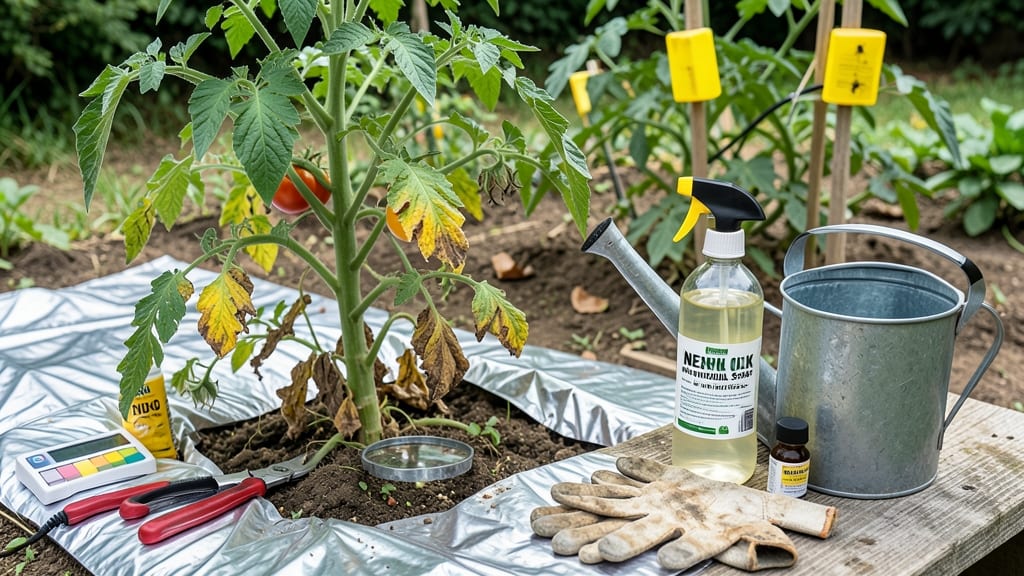
When your tomato leaves curl and yellow under blazing summer sun, it’s often a heat stress and tomato leaf curl virus treatment—or worse, the virus itself. ✨ I’ve nursed back more than a dozen plants from this exact problem using a simple neem oil and copper combo that stops the damage in its tracks.
The key is acting fast before the virus spreads or the heat turns your plants into crispy souvenirs.
Heat stress and ToLCV share symptoms—cupped leaves, stunted growth, and a general "I’m done" look—but the fixes are different. For heat, shade cloth and morning watering work wonders. For the virus, neem oil disrupts the pest vectors (like aphids) while copper prevents secondary infections.
I’ve seen plants bounce back in as little as 10 days with consistent treatment.
You’ll save your harvest by pruning infected leaves immediately and isolating affected plants. The neem-copper mix isn’t just a bandage—it rebuilds plant resilience so they fight back. Plus, it’s organic, so you can spray right up to harvest without worrying about residue.
Prevention is easier than recovery: choose heat-tolerant varieties like 'Heatmaster' or 'Solar Fire,' and keep your garden clean of weeds where viruses hide. This combo works for both problems, whether your tomatoes are wilting from the sun or fighting an invisible enemy.
Root Causes of Tomato Leaf Curl
Tomato leaf curl isn’t just one problem—it’s a complex dance between environmental stress, viral invaders, and plant physiology. When heat stress and the Tomato Leaf Curl Virus (ToLCV) collide, your plants become a battleground.
Understanding the why behind this dual assault is the first step to reclaiming healthy, thriving tomatoes. Let’s break it down by the key culprits.
Heat stress doesn’t just wilt leaves—it disables your tomato’s immune system, leaving it vulnerable to viruses like ToLCV. Here’s how it works:
- Stomatal Closure & Viral Entry: Under extreme heat (above 86°F/30°C), tomato leaves close their stomata (pores) to conserve water. While this prevents dehydration, it also traps humidity inside the leaf, creating a cozy environment for viruses to multiply.
ToLCV, spread by whiteflies, thrives in these conditions because the virus’s proteins stabilize better in high humidity. - Oxidative Damage: Heat triggers a surge in reactive oxygen species (ROS)—molecules that damage cell membranes and DNA. A weakened plant can’t fight off viral replication as effectively.
Studies show that heat-stressed tomatoes exhibit 30-50% lower antiviral gene expression compared to cooler conditions. - Whitefly Attraction: Heat-loving whiteflies (the primary ToLCV vectors) become more aggressive when temperatures rise. They lay more eggs and feed longer, increasing the chance of virus transmission.
A single whitefly can inject ToLCV into a plant within 24 hours of feeding.
Actionable Insight: 💡 If your garden hits consistent highs above 85°F (29°C), prioritize shade cloth (30-50% coverage) and evening watering to lower leaf temperatures by 5-10°F.
The Tomato Leaf Curl Virus (ToLCV) is a begomovirus—a type of plant virus that hijacks cellular machinery to replicate. Heat stress makes this process far more efficient:
- Altered Plant Hormones: Heat stress spikes ethylene and jasmonic acid (hormones that regulate defense responses). ToLCV mimics these signals to suppress the plant’s antiviral pathways.
Research from Journal of Plant Pathology shows that infected, heat-stressed plants produce 60% fewer defensive proteins than unstressed ones. - Viral Protein Stability: ToLCV’s coat proteins denature (unfold) at lower temperatures. But in heat? They stay intact longer, allowing the virus to persist and spread.
This is why outbreaks surge during summer heatwaves. - Systemic Spread: Unlike many viruses, ToLCV doesn’t just stay in leaves—it moves into the phloem (plant’s vascular system).
Heat accelerates this movement, causing curl, stunting, and leaf thickening (classic ToLCV symptoms) to appear 2-3 weeks faster than in cooler conditions.
Actionable Insight: 🔥 Remove infected plants immediately—even if they’re just showing mild symptoms. ToLCV spreads via sap, so pruning tools should be disinfected with 70% alcohol between cuts.
Heat and virus aren’t the only villains—nutritional deficiencies and water stress make tomatoes even more susceptible:
| Factor | How It Helps ToLCV | Fix It With |
|---|---|---|
| Nitrogen Deficiency | Weakens cell walls, making it easier for viruses to enter. | Balanced fertilizer (10-10-10) + compost. |
| Potassium Deficiency | Reduces stomatal control, trapping humidity and aiding viral spread. | Banana peel tea or greensand. |
| Overwatering | Creates soggy soil, attracting whiteflies and weakening roots. | Drip irrigation + mulch to retain moisture. |
| Compacted Soil | Poor drainage = root stress = higher susceptibility to viral invasion. | Gypsum or aeration tools. |
Actionable Insight: 🌡️ Test your soil—a simple pH test (ideal: 6.0-6.8) and nutrient analysis can reveal hidden weaknesses. ToLCV thrives where plants are already struggling.
You can’t control the weather, but you can prepare for it:
- Regional Heat Trends: Areas with consistent summer highs above 90°F (32°C) (e.g., Southern U.S., Mediterranean, South Asia) see year-round ToLCV activity.
Whiteflies don’t hibernate—they breed faster in heat. - Urban Heat Islands: Cities with pavement and buildings can be 5-10°F hotter than rural areas, creating microclimates where ToLCV spreads unchecked. - Global Warming Link: Rising temperatures have expanded the range of whiteflies into cooler regions (e.g., Northern Europe, Canada).
A 2022 study in Nature Climate Change predicted a 30% increase in ToLCV outbreaks by 2050 if trends continue.
Actionable Insight: ✨ Monitor local whitefly populations via extension service alerts. If your region has a history of outbreaks, start preventive sprays (neem oil + copper) in early spring before whiteflies appear.
How to Fix Heat Stress & Virus Damage
Now that you understand why your tomatoes are struggling with heat stress and leaf curl virus, it’s time to take action! The good news? A mix of quick fixes, preventive care, and organic treatments can help your plants bounce back—even in scorching weather.
Below, we’ve broken down targeted solutions based on the root causes, so you can tackle each issue head-on.
Heat stress weakens tomatoes, making them more vulnerable to viruses. Here’s how to beat the heat and give your plants a fighting chance:
💧 Hydrate Deeply & Frequently
- Water in the early morning (before 8 AM) to reduce evaporation and fungal risks.
- Use drip irrigation or soaker hoses to deliver water directly to roots—avoid wetting leaves.
- Mulch heavily (2–3 inches of straw or wood chips) to retain moisture and cool soil.
- 💡 Pro Tip: If your soil feels dry 1 inch below the surface, it’s time to water—don’t wait until wilting appears!
🌿 Provide Shade & Airflow
- Use shade cloth (30–50%) during peak sun (11 AM–3 PM) to lower leaf temperatures.
- Prune lower leaves to improve airflow and reduce humidity around the plant.
- Space plants 18–24 inches apart to prevent overcrowding, which traps heat.
🍃 Adjust Watering for Extreme Heat
- In temperatures above 90°F (32°C), water twice a day—once in the morning, once in the late afternoon.
- Add ice cubes to water (1–2 per gallon) for a slow, cooling release.
- Avoid overhead watering at night to prevent fungal growth.
Once a virus like Tomato Leaf Curl Virus (ToLCV) takes hold, complete eradication is difficult, but you can suppress symptoms and prevent spread with these methods:
🌿 Strengthen Plant Immunity with Neem & Copper
- Neem Oil Spray (Preventive & Curative):
- Mix 1 tbsp neem oil + 1 tsp mild soap + 1 quart water.
Spray every 7–10 days on both leaf surfaces. - Why? Neem disrupts viral replication and repels whiteflies (the virus’s primary carrier). - Best time: Early morning or late evening (avoid direct sun).
- Copper Fungicide (For Secondary Infections):
- Use copper sulfate or copper hydroxide (1 tsp per gallon of water) to prevent bacterial/fungal co-infections.
- Apply every 2 weeks during hot, humid spells.
🪰 Remove & Destroy Infected Plants
- Pull up severely infected plants (curls, yellowing, stunted growth) and bag them before composting.
- Disinfect tools with 70% rubbing alcohol between uses to avoid cross-contamination.
- 💡 Pro Tip: If possible, rotate crops—don’t plant tomatoes or peppers in the same spot next season.
🐜 Control Whiteflies (The Virus Spreaders)
Whiteflies transmit ToLCV, so eliminate them fast:
- Sticky traps (yellow or blue) near plants to catch adults.
- Insecticidal soap spray (1 tsp soap per quart of water) every 3–4 days.
- Release beneficial insects like ladybugs or lacewings (they eat whitefly eggs).
Stop the cycle before it starts with these proactive strategies:
| Problem | Solution |
|---|---|
| Heat Stress | Choose heat-tolerant varieties (e.g., ‘Heatmaster,’ ‘Solar Fire’). |
| Virus Spread | Sterilize soil with solarization (clear plastic sheets in full sun for 4–6 weeks). |
| Whitefly Infestations | Interplant with basil or marigolds (they repel whiteflies). |
| Poor Airflow | Train vines vertically (trellises) to improve circulation. |
🌡️ Heat-Resistant Growing Tips
- Start seeds indoors 6–8 weeks before last frost, then harden off gradually in partial shade.
- Use row covers for young plants to shield them from sudden heat spikes.
- Avoid nitrogen-heavy fertilizers in extreme heat—they promote leafy growth over roots.
- Within 1–2 weeks: Plants should show less wilting if heat stress is managed.
- 3–4 weeks: New growth may appear healthier if whiteflies are controlled.
- Long-term: Resistant varieties + strict hygiene = fewer outbreaks next season.
💡 Final Reminder: While you can’t cure a virus, combating heat stress + breaking the whitefly cycle gives your tomatoes the best shot at survival—and even recovery!
Need a quick recap? Bookmark this: ✅ Cool plants (shade, water, mulch) ✅ Spray neem + copper weekly ✅ Eliminate whiteflies (traps, soap, predators) ✅ Prevent future outbreaks (crop rotation, resistant varieties)
Frequently asked questions
Can neem oil really help with tomato leaf curl virus?
Neem oil doesn't cure ToLCV directly, but it's a powerful supportive treatment that disrupts viral replication and repels whiteflies—the primary carriers. Studies show neem oil can reduce whitefly populations by 70-80% when applied every 7-10 days. For best results, combine it with copper fungicide to prevent secondary infections.
How do I tell if my tomato plants have heat stress vs. tomato leaf curl virus?
Heat stress causes wilting, scorch marks, and leaf drop during peak sun hours, while ToLCV produces cupped leaves, yellowing veins, and stunted growth that worsens over days. Check for whiteflies (tiny white insects) on undersides of leaves—if present, it's likely ToLCV. Heat-stressed plants recover at night, while viral symptoms persist.
Is shade cloth really necessary for tomato plants in hot climates?
30-50% shade cloth can lower leaf temperatures by 10-15°F during peak heat, significantly reducing heat stress. For regions with consistent highs above 90°F (32°C), use shade cloth from 11 AM-3 PM daily. It also creates better airflow, which helps prevent fungal infections that often accompany heat stress and viral outbreaks.
Can I still harvest tomatoes from plants showing leaf curl symptoms?
Yes, but with caution. Remove and discard any fruit from severely infected plants (curls, yellowing, stunting). For mildly affected plants, you can harvest healthy-looking fruit and use it immediately—don't store it. The virus primarily affects leaves and stems, not the fruit itself, but always wash produce thoroughly before eating.
How long does it take to see improvement with the neem-copper treatment?
With consistent treatment (neem every 7-10 days + copper every 2 weeks), you should see noticeable improvement in 2-3 weeks. New growth will appear healthier, and whitefly populations should decline significantly. For severe cases, it may take 4-6 weeks to see full recovery, but the plant's overall resilience will improve during this time.