
How To
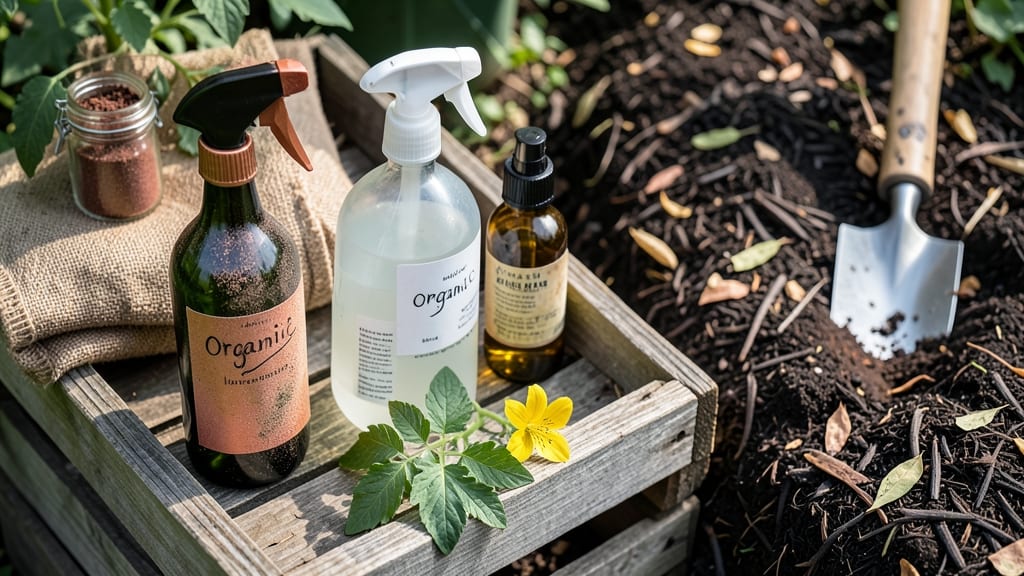
A home remedy for tomato blight saved my tomato plants from a blight disaster last summer—just when I thought I’d lose the harvest. 🌱 The first brown spots appeared on leaves, then the stems, and within days, my plants looked like they’d been hit by a fungal plague.
But this simple, kitchen-pantry solution stopped the spread in its tracks, and my tomatoes kept producing until frost.
Here’s the thing—blight thrives when plants are stressed, crowded, or watered overhead. A baking soda spray isn’t magic, but it creates an unfriendly environment for the fungus while giving your plants a fighting chance. You’ll need just three ingredients: baking soda, a few drops of dish soap, and water.
The spray works best in the morning, when humidity is lower, and you’ll see results within 24-48 hours if applied early.
By the time you’ve mixed the solution and sprayed your plants, you’ll already be ahead of the blight. The leaves stay greener, the stems stay firm, and your tomatoes keep ripening like nothing ever happened. Plus, you’ll avoid the harsh chemicals that can linger in your garden—and on your produce.
The key is acting fast. If the spots spread to the stems or fruit, the damage is done, and it’s time to pull the plant. But for early signs—those first few brown spots—this remedy gives you a real shot at saving your harvest.
Here’s exactly how to make and use it.
Understanding Tomato Blight’s Hidden Triggers
Tomato blight—especially the dreaded late blight (Phytophthora infestans)—isn’t just a random plant curse. It’s a sneaky, science-backed invasion triggered by a mix of pathogens, weather, and poor gardening habits. Let’s break down the real culprits behind those ugly brown spots and mushy leaves.
Blight thrives in wet, warm conditions, making it a summer/fall nightmare for gardeners. Here’s why: - Spores Love Moisture: The Phytophthora infestans fungus releases spores that swim in water droplets (yes, swim!).
Rain or overhead watering creates a perfect highway for infection. - Nighttime Dew: If humidity stays above 90% for prolonged periods (especially at night), spores germinate rapidly on leaves, leading to rapid spread within 24–48 hours. - Poor Airflow: Crowded tomato plants or dense foliage trap moisture, turning your garden into a blight incubator.
Actionable Fix: Space plants 18–24 inches apart, prune lower leaves (they touch wet soil), and water at the base in the morning—never overhead.
Blight spores are microscopic assassins that can:
- Survive for Years: In soil, plant debris, or even on old tools, spores wait for the right conditions to strike.
- Travel Fast: Wind, water, and even contaminated garden tools can spread them from plant to plant in hours.
- Infect Through Stomata: These spores enter leaves through tiny pores (stomata) when humidity is high, then multiply like crazy.
Actionable Fix: Sterilize tools with rubbing alcohol, remove infected plants immediately (don’t compost them!), and rotate crops yearly to break the spore cycle.
Blight loves temperatures between 60–75°F (15–24°C)—the same cozy range where tomatoes thrive. Too hot or too cold? Spores struggle to germinate.
But when conditions are just right: - Warm Days + Cool Nights: Creates condensation on leaves, perfect for spore germination. - Sudden Temperature Drops: Stress weakens plants, making them more susceptible to infection.
Actionable Fix: Choose blight-resistant tomato varieties (like ‘Mountain Merit’ or ‘Defiant PhR’), and use row covers in early season to delay spore exposure.
Stressed tomatoes are blight’s favorite snack. Common stressors include:
- Overcrowding: Competes for nutrients, leaving plants nutritionally deficient.
- Nitrogen Overload: Too much fertilizer = soft, sappy growth (blight’s dream fuel).
- Poor Drainage: Waterlogged roots starve plants of oxygen, weakening their defenses.
Actionable Fix: Feed balanced fertilizer (10-10-10 or compost tea), ensure 6+ hours of sunlight, and mulch properly to prevent soil-borne stress.
Even if your current plants look healthy, past blight can lurk in:
- Infected Soil: Spores survive in old plant debris or compost.
- Dirty Tools: Pruners, trowels, or stakes can carry spores from plant to plant.
- Wild Hosts: Nearby potatoes, eggplants, or peppers can harbor blight and spread it to tomatoes.
Actionable Fix: Solarize soil (cover with clear plastic for 4–6 weeks in summer) to kill spores, and disinfect tools with 1 part bleach to 9 parts water.
💡 Pro Tip: Blight doesn’t just strike in summer—early blight (Alternaria solani) thrives in dry, hot weather and causes concentric rings on leaves. If you see target-like spots, that’s your clue to act fast!
Quick Fixes for Blighted Tomatoes
Tomato blight doesn’t have to mean the end of your harvest—with the right approach, you can reverse the damage and prevent future outbreaks using simple, natural solutions. Below, we break down the most common causes of tomato blight and the easy, actionable fixes to save your plants.
From baking soda sprays to cultural tweaks, these methods work fast and keep your garden thriving.
Blight thrives in damp, crowded conditions, where spores splash from soil to leaves. If your tomatoes look soggy or wilting with dark spots, the issue is likely overhead watering or poor ventilation.
How to Fix It: ✅ Prune aggressively – Remove lower leaves (up to 12 inches from the ground) to improve airflow. Snip off yellow or diseased leaves immediately. ✅ Space plants 18–24 inches apart – Crowded tomatoes trap moisture. Stake or cage them for support. ✅ Water at the base, never overhead – Use a drip irrigation system or water early in the morning so leaves dry quickly.
💡 Pro Tip: If blight has already set in, prune with sterilized shears (wipe with rubbing alcohol) to avoid spreading spores.
Tomatoes hate humidity—when nights are damp and days are warm, blight spreads like wildfire. If your plants show brown, greasy spots, high moisture is the culprit.
How to Fix It: ✅ Apply a baking soda spray – Mix 1 tsp baking soda + 1 tbsp vegetable oil + 1 tsp dish soap in 1 gallon of water. Spray every 7–10 days (especially after rain). ✅ Use mulch – Straw or grass clippings keep soil moist but prevent splashing onto leaves. ✅ Improve drainage – If your garden stays soggy, amend soil with compost or perlite to help roots breathe.
🌡️ Heat Hack: If humidity is extreme, shade cloth (30–50%) can lower leaf temperature and slow blight.
Stressed tomatoes (from over-fertilizing, drought, or poor soil) are blight magnets. If your plants look stunted or yellowing, they’re vulnerable.
How to Fix It: ✅ Fertilize right – Use a balanced 10-10-10 or compost tea to boost immunity. Avoid high-nitrogen (it weakens stems). ✅ Side-dress with compost – Work aged compost into the soil around plants for slow-release nutrients. ✅ Support with cages or stakes – Weak stems invite disease. Remove suckers to redirect energy to fruit.
💪 Recovery Boost: A seaweed extract spray (1 tbsp per gallon of water) strengthens cell walls naturally.
If blight keeps coming back year after year, fungal spores are hiding in your soil. Dark, mushroom-like growths at the base of plants? That’s a red flag.
How to Fix It: ✅ Remove infected plants immediately – Do not compost them! Burn or bag them to stop spore spread. ✅ Solarize the soil – Cover beds with clear plastic for 4–6 weeks in summer to kill fungi. ✅ Rotate crops – Never plant tomatoes, peppers, or potatoes in the same spot two years in a row.
✨ Natural Fungicide Swap: After harvest, spray copper fungicide (or neem oil) on empty beds to prevent spores.
Stop blight before it starts with these non-negotiable habits:
- Start with resistant varieties – Try ‘Mountain Merit,’ ‘Defiant PhR,’ or ‘Cherokee Purple.’
- Plant tomatoes in full sun (6+ hours daily) – No shade = less humidity.
- Harvest early & often – Overripe tomatoes attract pests that spread disease.
- Clean tools & hands – Rubbing alcohol wipes between plants prevent cross-contamination.
Final Thought: Blight is manageable—but speed is key. The moment you spot dark spots or wilting, act fast with pruning, baking soda sprays, and airflow fixes. With these methods, you’ll save your tomatoes and enjoy a bountiful, blight-free harvest! 🍅💥
Frequently asked questions
Can I use baking soda spray on tomatoes that already have fruit?
Yes, but focus on the leaves and stems—never spray directly on ripe or nearly ripe fruit. The baking soda solution is safe for edible plants, but it can leave a slight residue on tomatoes. Apply in the early morning so the spray dries before the sun intensifies, and avoid spraying when tomatoes are wet or about to be harvested.
How often should I apply the baking soda remedy?
Spray your tomato plants every 7–10 days during active growth or after heavy rain. For prevention, a monthly application works well. If blight appears, increase frequency to every 5–7 days until new growth shows no signs of spots. Always mix fresh solution—don’t reuse old spray, as it loses effectiveness.
Will this remedy work if my tomato plants already have brown spots on the stems?
Unfortunately, once blight reaches the stems or fruit, the damage is often irreversible. At this stage, the baking soda spray may slow further spread, but the plant should be removed immediately to prevent contamination. For future crops, focus on prevention—use resistant varieties and proper spacing to avoid this scenario.
Can I mix other natural ingredients with the baking soda spray?
Yes! Adding 1 tablespoon of vegetable oil or 1 teaspoon of neem oil enhances the remedy by smothering spores. A few drops of dish soap help the solution stick to leaves. Avoid adding vinegar—it can harm plants. Always test the spray on a small leaf first to check for sensitivity.
What’s the best time of day to apply the baking soda spray?
Apply in the early morning (before 9 AM) when humidity is lower and leaves are dry. This gives the solution time to dry before evening dew forms. Avoid spraying in the heat of the day—it can burn leaves. If you must spray later, choose a shady day to reduce stress on the plants.