
Pests
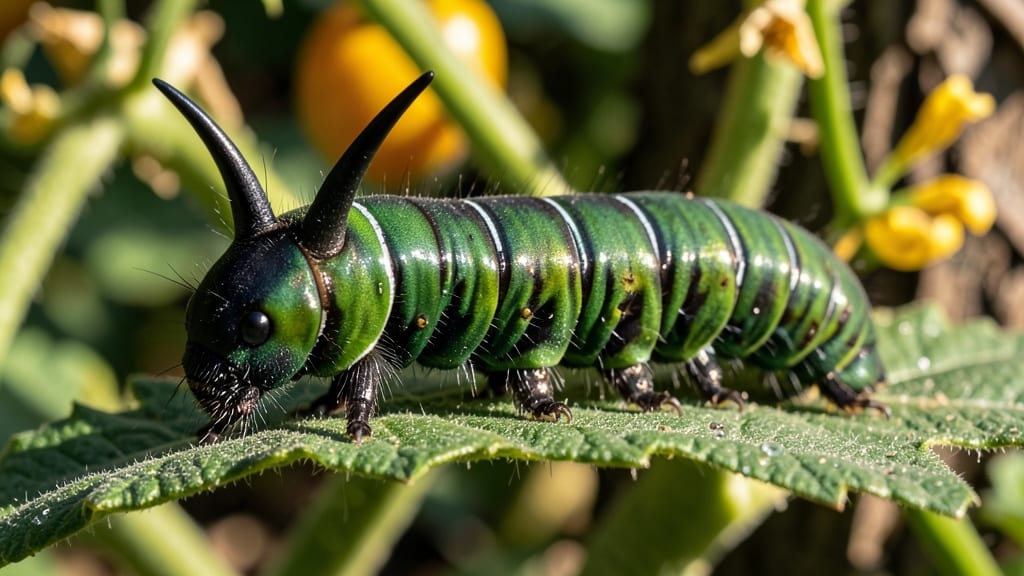
Horned tomato worms aren’t poisonous to humans, but their spines can irritate skin upon contact, and their droppings may cause allergic reactions in sensitive individuals. While harmless to people, they’re destructive to tomato plants, so gardeners should remove them promptly.
These caterpillars, often mistaken for hornworms, use their spiky bodies as a defense mechanism rather than a poisonous weapon. 🔥 The irritation comes from microscopic barbs that can lodge in skin, while their droppings—though not toxic—may contain compounds that trigger reactions in people with sensitivities.
Unlike some garden pests, they lack venom glands, making them more of a physical nuisance than a health hazard. Their primary threat lies in their voracious appetite for tomato leaves, which can defoliate plants quickly if left unchecked.
For gardeners, the key is early intervention: handpicking them in the morning (when they’re sluggish) or using neem oil sprays to deter them without harming beneficial insects. Always wear gloves when handling them to avoid skin irritation, and dispose of them far from your garden to prevent reinfestation.
💡 In This Article
- Understanding Horned Tomato Worm Toxicity and Defense Mechanisms
- Safe and Effective Removal Methods for Horned Tomato Worms
Understanding horned tomato worm toxicity and defense mechanisms
The horned tomato worm (Manduca sexta) relies on a purely mechanical defense system rather than chemical toxins. Their most striking feature is the array of sharp spines covering their bodies, which can penetrate human skin upon contact.
These spines aren't venomous, but they can cause a mild, localized irritation similar to a nettle sting—think of tiny splinters that trigger your skin's histamine response.
The spines are actually modified setae (hair-like structures) that contain no venom sacs, unlike some venomous caterpillars like the puss moth (Cerura vinula), which has urticating hairs filled with toxic proteins.
What makes these caterpillars particularly interesting is their ecological role. While they're pests to gardeners, they're vital pollinators and food sources for birds and parasitic wasps in their larval stage.
Their droppings, though not toxic, may contain compounds like phenolic acids that can irritate sensitive skin or trigger allergic reactions in some individuals—similar to how certain plant sap can cause contact dermatitis.
The reaction typically manifests as redness, itching, or a rash within minutes to hours of exposure, though severe systemic reactions are extremely rare. 🔥
The confusion about their toxicity likely stems from their dramatic appearance and the fact that many garden pests use chemical defenses. For comparison, the tomato hornworm's cousin, the tobacco hornworm (Manduca sexta variant), shares identical defensive traits but is equally harmless to humans.
The key difference between these caterpillars and truly venomous species (like the saddleback caterpillar) lies in their lack of specialized venom glands—what you're feeling is purely physical irritation, not a chemical attack.
Interestingly, these caterpillars exhibit a fascinating behavioral adaptation: when threatened, they arch their bodies to make their spines more formidable, a strategy known as "threat display." This visual deterrent works remarkably well against predators like birds, which often avoid them entirely.
In your garden, this same display makes them more noticeable to human hands, which is why they're easier to spot and remove during daylight hours when they're less active.
For those with sensitive skin or allergies, it's worth noting that the irritation from these spines typically subsides within 24-48 hours without medical treatment.
However, if you notice signs of infection (pus, increased swelling) or systemic symptoms (dizziness, difficulty breathing), seek medical attention immediately—though such cases are exceedingly rare with these particular caterpillars.
The real danger to your garden comes not from their toxicity, but from their insatiable appetite for tomato foliage, which can strip plants bare in as little as 3-5 days if left unchecked.
Understanding their defense mechanisms helps explain why gardeners should prioritize physical removal over chemical solutions. Their spines make them unpleasant to handle, but this same trait makes them easy to identify and remove during routine garden inspections.
The key is acting quickly before they cause significant damage to your tomato plants—remember, these caterpillars can grow up to 4 inches long in just 6 weeks, making early intervention crucial. ✨