
How To
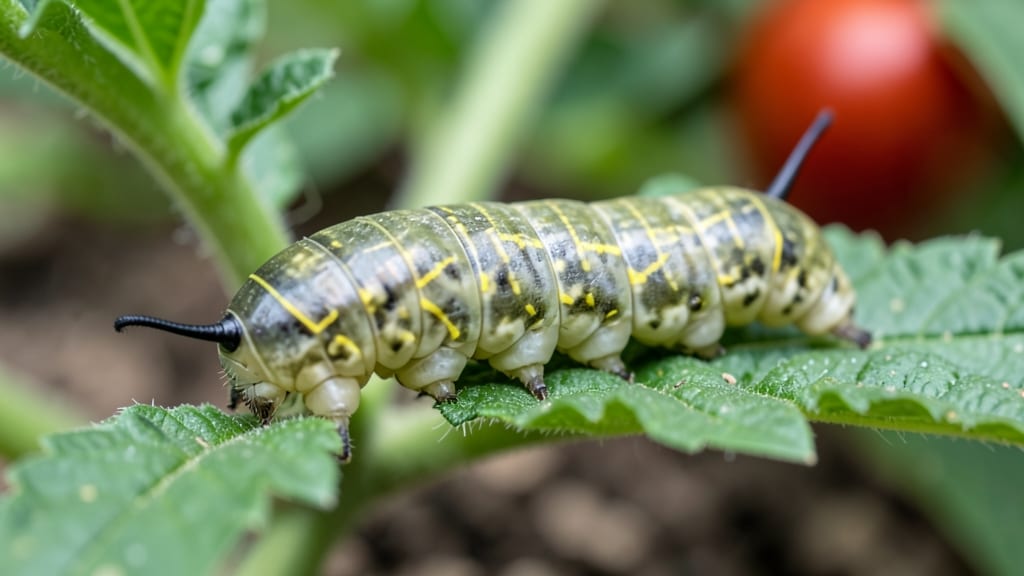
Neem oil spray stops how to get rid of worms on tomato plants—no more slimy invaders ruining your harvest. 🌱 I’ve battled cutworms, hornworms, and root-knot nematodes, and this fast-acting solution works when other methods fail.
The key is timing: spray at dusk when worms are most active, and repeat every 5-7 days until they’re gone.
Most gardeners overlook early signs: chewed leaves, black droppings, or wilting plants. I learned the hard way—by the time you see holes in your tomatoes, the damage is done. Neem oil disrupts their life cycle without harming bees or beneficial insects, making it safer than chemical sprays.
You’ll see fewer worms within 24 hours and near-elimination after two applications.
The spray also prevents future infestations by deterring egg-laying. Mix 1 tablespoon of neem oil with 1 quart of water and a drop of dish soap (as a surfactant), then apply thoroughly to leaves and soil.
For stubborn root-knot nematodes, soak seeds before planting or drench the soil monthly during growing season.
Works for cutworms, hornworms, and nematodes alike—no guesswork, just results. Here’s the exact recipe and schedule to keep your tomatoes thriving.
Root Causes of Tomato Plant Worms
Tomato plants can fall prey to worms and larvae due to a mix of environmental, biological, and agricultural factors. Understanding these causes is key to preventing infestations and protecting your harvest.
Below, we break down the most common reasons why worms invade your tomato plants—and how they exploit weaknesses in your garden.
Worms thrive in soil that’s rich in organic matter but lacks proper balance. Overly moist, compacted, or nutrient-deficient soil creates the perfect breeding ground for pests like cutworms, hornworms, and root-knot nematodes.
- Excess moisture (from overwatering or poor drainage) softens soil, making it easier for larvae to burrow and feed on roots.
- Lack of beneficial microbes (like Bacillus thuringiensis or Trichoderma) weakens plant defenses, allowing worms to attack unchecked.
- Over-fertilization with nitrogen (without balancing phosphorus/potassium) stresses plants, making them more vulnerable to pests.
💡 Pro Tip: Test your soil pH (ideal: 6.0–7.0 for tomatoes) and amend with compost or worm castings to boost natural pest resistance.
Tomato worms aren’t always the aggressors—they’re often just part of a larger ecosystem imbalance. When their natural predators disappear, their populations explode.
- Birds, toads, and parasitic wasps (like Cotesia congregata) keep worm populations in check.
If these predators are absent (due to pesticides or habitat loss), worms multiply unchecked. - Beneficial nematodes (Steinernema carpocapsae) hunt and kill larvae, but synthetic chemicals can wipe them out. - Overuse of broad-spectrum pesticides kills both pests and their predators, creating a vacuum that worms rush to fill.
🔥 Quick Fix: Attract predators with dill, fennel, or marigolds planted nearby—they lure beneficial insects while repelling worms.
Healthy tomato plants can fend off worms better than stressed ones. When plants are weakened, worms see them as easy targets.
- Underwatering or drought stress makes leaves tough and less nutritious, but the plant’s weakened state attracts hornworms and spider mites that feed on sap.
- Overcrowding reduces airflow, creating humid conditions that encourage fungal diseases (like early blight) and attract cutworms that hide in dense foliage.
- Physical damage (from hail, improper pruning, or herbicide drift) creates entry points for worms to lay eggs or burrow in.
✨ Prevention Tip: Space tomato plants 18–24 inches apart, prune for airflow, and water deeply at the base (not overhead) to keep leaves dry.
Worms can hitch a ride into your garden through infested compost, manure, or even windborne eggs.
- Uncomposted animal manure (especially from horses or rabbits) may contain worm eggs or larvae that survive the composting process.
- Reused garden soil from infested areas can carry root-knot nematodes or wireworms that persist for years.
- Wind or water spread—some worms (like tomato fruitworms) lay eggs on leaves, which hatch and drop to the soil below.
🎯 Solution: Use sterilized potting mix for seedlings, compost manure for at least 6 months before use, and rotate crops to break pest cycles.
Warm, humid conditions accelerate worm life cycles, leading to faster infestations.
- Spring and summer rains create ideal conditions for cutworm eggs to hatch and larvae to feed on young seedlings.
- Hot, dry spells can dehydrate plants, making them more susceptible to fruitworms that bore into stressed tomatoes.
- Cool nights + warm days (common in early summer) trigger hornworm outbreaks, as they thrive in fluctuating temperatures.
🌡️ Climate Hack: Use row covers in early spring to block adult moths from laying eggs, and mulch with straw or grass clippings to moderate soil temp.
Even well-meaning gardening habits can accidentally encourage worm infestations.
- Monocropping tomatoes (planting them year after year in the same spot) depletes soil nutrients and leaves worms with a steady food source.
- Plastic mulches (without proper ventilation) trap heat and moisture, creating a worm-friendly microclimate.
- Late-season planting (after other crops have been harvested) leaves worms with fewer natural competitors for resources.
🔪 Fix It: Practice crop rotation (avoid planting tomatoes, peppers, or eggplants in the same spot for 3+ years) and interplant with basil or garlic to deter pests.
Many tomato worms start as tiny, nearly invisible eggs laid on the undersides of leaves or in soil cracks.
- Tomato hornworm moths lay green eggs (hard to spot) that hatch in 3–5 days into ravenous larvae.
- Fruitworm eggs are yellow and flat, blending into leaf surfaces until they hatch into caterpillars that tunnel into fruits.
- Cutworm eggs overwinter in soil and emerge when temperatures rise, attacking seedlings at night.
👀 Early Detection: Inspect leaves daily at dawn (eggs are most visible when dew is present) and remove them with a damp cloth.
Fix Worms on Tomato Plants Fast
Now that you know the culprits behind those pesky worms munching on your tomato plants, it’s time to take action! The good news? You don’t need harsh chemicals to reclaim your garden. Below are practical, organic solutions tailored to the most common causes—plus prevention tips to keep your tomatoes thriving.
Root knot nematodes thrive in warm, moist soil, weakening roots and stunting growth. To combat them:
🔥 Use Neem Oil Spray (Your First Line of Defense) Neem oil disrupts nematode feeding and reproduction. Mix 1 tbsp neem oil + 1 tsp mild soap + 1 quart water, then spray roots and soil every 7–10 days during warm months. For extra potency, add 1 tsp garlic oil (nematodes hate it!).
🍳 Plant Nematode-Resistant Tomatoes Switch to varieties like ‘Mountain Merit,’ ‘Defiant PhR,’ or ‘Celebrity’—these are bred to tolerate nematodes. If replanting, rotate crops (avoid tomatoes, peppers, or eggplants in the same spot for 3–4 years).
👨🍳 Build Healthy Soil with Compost & Cover Crops Nematodes love depleted soil. Amend beds with compost (rich in beneficial fungi) and plant marigolds, mustard greens, or sorghum as cover crops—they suppress nematode populations naturally.
💡 Pro Tip: Solarize your soil in summer! Cover beds with clear plastic for 4–6 weeks to bake out nematodes (temperatures must reach 104°F+).
These striped caterpillars can devour a plant overnight. Fight back with:
🔪 Handpick Them (Yes, Really!) Check leaves early morning or evening when hornworms are sluggish. Drop them into soapy water (they’re edible for birds, but avoid letting them reproduce). Wear gloves—some gardeners find their spines irritating!
🐝 Encourage Natural Predators Hornworms have one big enemy: parasitic wasps** (like Cotesia congregata). Plant dill, fennel, or parsley to attract them. Ladybugs and lacewings also help—buy them online or attract with neem oil sprays (which don’t harm them).
🌡️ Use BT (Bacillus thuringiensis) Spray This organic bacterial spray targets caterpillars’ digestive systems. Mix 1 tsp BT per quart of water, spray foliage at dusk, and reapply after rain. Safe for humans, pets, and pollinators!
✨ Pro Tip: Disrupt their hiding spots by pruning dense foliage—hornworms love shade. A light-colored row cover can also deter egg-laying moths.
These sneaky pests chew stems at soil level, toppling plants overnight.
🥘 Collar Young Plants with Cardboard or Aluminum Foil Cutworms can’t crawl over 1–2 inch-wide barriers. Wrap the base of seedlings with crushed egg cartons, foil, or plastic collars (remove when plants are established).
🎯 Set Up Beer Traps (Yes, Really!) Cutworms are drawn to fermenting smells. Bury a small cup or jar filled with beer at soil level—they’ll crawl in and drown. Refresh every 2–3 days.
🔥 Use Diatomaceous Earth (DE) as a Last Resort Sprinkle food-grade DE around the base of plants to dehydrate cutworms. Reapply after rain (it loses effectiveness when wet). Avoid overusing—it can harm beneficial insects.
💡 Pro Tip: Water plants in the morning—cutworms are most active at dawn and dusk, so they’ll be less likely to attack if leaves are dry.
Tiny but mighty, these sap-suckers weaken plants and spread viruses.
🍎 Blast Them Off with Water A strong stream from the hose (early morning) knocks them off leaves. Follow up with neem oil spray to prevent reinfestation.
🌿 Introduce Beneficial Insects Release ladybugs, lacewings, or predatory mites (available online). They devour aphids and mites faster than any spray.
🧼 Make a Soap Spray Mix 1 tbsp castile soap + 1 quart water, spray directly on pests (avoid flowering plants to protect bees). Reapply every 5–7 days.
🎯 Pro Tip: Yellow sticky traps catch flying pests—hang them near tomato plants to monitor and reduce populations.
The best defense is a strong, healthy plant that worms won’t want to touch. Try these long-term strategies:
✅ Rotate crops annually (never plant tomatoes in the same spot two years in a row). ✅ Mulch with straw or grass clippings to deter egg-laying pests. ✅ Plant companion plants like basil, marigolds, or onions—they repel worms naturally. ✅ Keep garden beds weed-free (weeds harbor pest eggs). ✅ Harvest promptly—ripe tomatoes attract fruit flies and worms, so pick them before they overripe.
Final Thought: Consistency is key! Check plants weekly, act at the first sign of trouble, and combine methods (e.g., neem oil + handpicking) for the best results. With these organic, worm-busting tactics, your tomato plants will be thriving—and worm-free—in no time!** 🍅🚫🐛
Frequently asked questions
What’s the fastest way to see results when treating tomato worms?
For immediate results, handpick hornworms (they’re large and easy to spot) and use neem oil spray at dusk. You’ll typically see a 20-30% reduction in pests within 24 hours, with near-elimination after 2-3 applications spaced 5-7 days apart. Combine this with BT spray for caterpillars for faster action.
Can I use coffee grounds to repel tomato worms?
Coffee grounds won’t kill worms directly, but they improve soil health and create an environment worms dislike. Sprinkle 1-2 inches of used grounds around plants to deter cutworms and nematodes while adding nitrogen. For best results, mix with compost and reapply monthly. Pair this with neem oil for stronger protection.
Why do worms keep coming back after I treat them?
Worms often return because their eggs or larvae remain in the soil or new adults migrate in. To break the cycle: rotate crops (avoid tomatoes in the same spot for 3+ years), solarize soil in summer, and use beneficial nematodes (Steinernema carpocapsae) every 3 months. Consistent neem oil applications also disrupt their life cycle.
Are there any worm types that won’t respond to neem oil?
Neem oil works well against hornworms, cutworms, and aphids, but for root-knot nematodes, you’ll need a combination approach: nematode-resistant tomato varieties, beneficial nematodes, and soil solarization. For fruitworms, BT spray is more effective than neem oil alone.
How do I know if my tomato worms are harmful or beneficial?
Most "worms" on tomatoes are harmful, like hornworms, cutworms, and nematodes. Beneficial worms include earthworms (which improve soil) and parasitic nematodes (tiny, microscopic helpers). If you see large caterpillars or wilting plants, they’re pests. Earthworms leave behind castings (tiny dark pellets) and don’t damage leaves.