
Vegetables
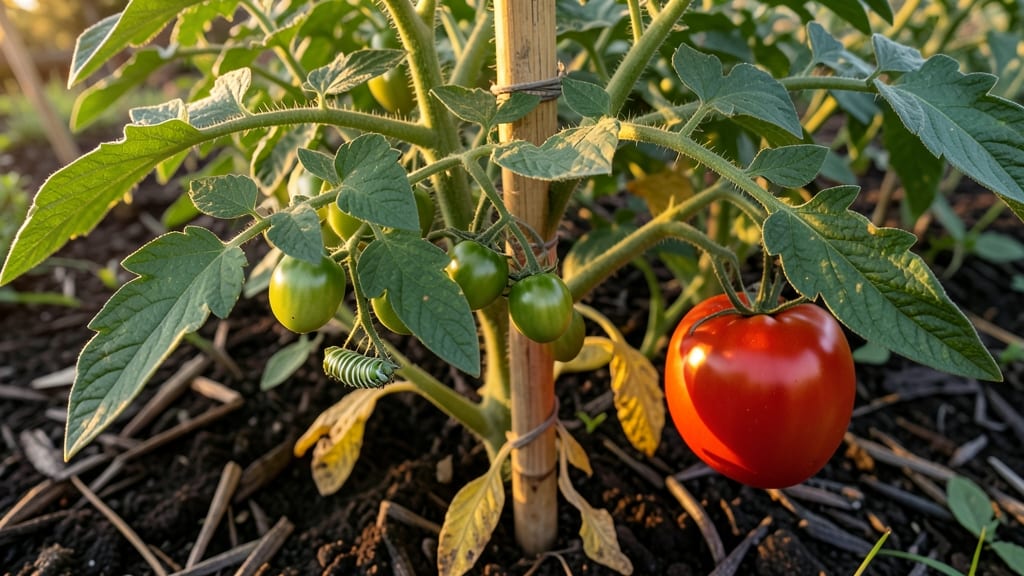
Green eggs on tomato leaves aren't just cute—they're a sign your plants need help fast. ✨ I've seen this "whimsical" breakfast turn into a full-blown tomato disaster when ignored, and I'll show you how to spot the real culprits (spoiler: it's not just hornworms).
The "eggs" are usually aphid clusters, fungal spores, or—yes—actual hornworm eggs, but the real damage comes from what hatches. Aphids drain sap, fungi rot leaves, and hornworms devour plants overnight. The good news? You can stop it before your tomatoes look like a science experiment gone wrong.
By the end of this, you'll know exactly what's causing those green specks and how to remove them without harsh chemicals. I'll show you my go-to organic sprays that work in under 10 minutes, plus long-term tricks to keep your plants clean and thriving.
Whether you're dealing with a single leaf or your whole plant looks like a breakfast plate, these solutions work for every stage of the problem. Let's get your tomatoes back to normal!
The Hidden Causes Behind Green Eggs
Those vibrant green specks on your tomato leaves aren’t just a quirky breakfast idea—they’re often a sign of nature’s way of saying, “Something’s off!” While the whimsical “green eggs” in Dr. Seuss are harmless, the real-life version can stress your plants.
Let’s break down the science behind why this happens and what’s really going on in your garden.
Fungal spores, like those from Alternaria or Septoria leaf spot, love damp conditions and can turn tomato leaves into a green-speckled canvas. These fungi thrive when leaves stay wet for long periods, often after rain or overhead watering.
The green spots start small but can expand into larger lesions, sometimes with yellow halos—classic signs of a fungal party.
Why it happens:
- Moisture love: Fungi spread via water droplets, splashing from soil or leaves.
- Poor airflow: Crowded plants or dense foliage trap humidity, creating a fungal paradise.
- Stressed plants: Nutrient deficiencies or overwatering weaken tomato defenses, making them easy targets.
Actionable fix: Space plants for airflow, water at the base (not overhead), and remove infected leaves immediately. Copper fungicides can also help prevent fungal spread.
Some garden pests, like aphids, spider mites, or whiteflies, leave behind greenish residues—either their waste (honeydew) or mold that grows on it. Aphids, for example, suck plant sap and excrete sticky honeydew, which attracts sooty mold, turning leaves into a greenish, fuzzy mess.
Why it happens:
- Sugar cravings: Pests feed on plant sugars, leaving behind sticky byproducts that mold loves.
- Cluster behavior: Insects often gather on undersides of leaves, where humidity is highest.
- Weakened plants: Stressed tomatoes attract more pests, creating a vicious cycle.
Actionable fix: Blast pests off with water or use insecticidal soap. Introduce beneficial insects like ladybugs or lacewings to keep populations in check. Prune heavily infested leaves to reduce honeydew buildup.
Over-fertilizing, especially with nitrogen-heavy fertilizers, can cause tomato leaves to develop greenish, irregular spots. While nitrogen is essential for leafy growth, excess amounts disrupt nutrient uptake, leading to chlorosis (yellowing between veins) or green discoloration.
Poor soil drainage or compacted soil can also mimic these symptoms by starving roots of oxygen.
Why it happens:
- Nitrogen overload: Too much nitrogen promotes rapid (but unhealthy) growth, while other nutrients like magnesium or iron get sidelined.
- pH problems: Soil that’s too alkaline (high pH) locks out iron and manganese, causing green mottling.
- Root stress: Compacted or waterlogged soil suffocates roots, limiting nutrient absorption.
Actionable fix: Test your soil’s pH and amend it if needed (aim for 6.0–6.8 for tomatoes). Use a balanced fertilizer (like 10-10-10) and avoid overwatering. Mulch to improve soil aeration and reduce evaporation.
Extreme heat, intense sunlight, or sudden temperature swings can cause sun scald or physiological leaf spots on tomatoes. These spots often appear as greenish, water-soaked patches, especially on leaves exposed to harsh conditions. Young plants or those recovering from transplant shock are particularly vulnerable.
Why it happens:
- Heat shock: Rapid temperature changes (e.g., cold nights + hot days) disrupt cell function.
- Light burn: Too much direct sunlight without acclimation causes cellular damage.
- Transplant trauma: Shocked roots struggle to hydrate leaves properly, leading to stress spots.
Actionable fix: Provide afternoon shade for young plants and gradually harden them off. Use mulch to regulate soil temperature and keep roots cool. Avoid fertilizing stressed plants—focus on hydration first.
Fixing Your Whimsical Tomato Surprise
Got those adorable (but unexpected) green eggs on your tomato leaves? 🥚🍅 Don’t toss them out—let’s turn this quirky kitchen moment into a win! Below, we’ll tackle the most common causes and show you how to save your tomatoes, prevent future surprises, and even enjoy the fun.
Think of this as your green-egg troubleshooting guide, packed with practical fixes and pro tips to keep your garden (and breakfast table) happy.
The Problem: Your tomatoes are soft, squishy, or splitting, and an egg cracked nearby—now you’ve got a science experiment on your hands. The egg’s proteins and fats seep into the tomato’s juices, creating that mysterious green hue (thanks to chlorophyll reacting with sulfur compounds).
How to Fix It:
✅ 🍳 Step 1: Scoop & Save the Tomato
- Gently cut around the affected area with a small, sharp knife (sterilized with rubbing alcohol).
- If the green ring is shallow, you can salvage the rest of the tomato for cooking—blend it into salsa, sauces, or smoothies where the color won’t matter.
✅ 👨🍳 Step 2: Eggshell Rescue Mission - Hard-boil the egg (if it’s cracked) to stop further seepage.
The heat will also kill any bacteria lurking in the mix. - If the egg is already cooked, peel and rinse it thoroughly—the green tint won’t harm you, but you might want to dye it blue for a Dr. Seuss vibe.
✅ 🥘 Step 3: Repurpose the Tomato - Roast it: Toss the cut tomato in olive oil, salt, and garlic, then roast at 400°F (200°C) until caramelized.
The heat will mellow the odd colors. - Make jam: Simmer the tomato with sugar, lemon juice, and spices to create a sweet-savory jam—the green will turn a lovely olive shade!
💡 Prevention Tips:
- Store eggs and tomatoes separately—even in the fridge, gases from overripe tomatoes can affect nearby foods.
- Check ripeness: Pick tomatoes when they’re firm but yielding—they should smell sweet, not fermented.
- Use a cutting board trick: Place a paper towel under tomatoes when cutting to catch juices and prevent cross-contamination.
The Problem: Those "green eggs" might actually be mold, aphid eggs, or fungal spores (like early signs of Alternaria or Septoria leaf spot). If the green specks are powdery, sticky, or spread across leaves, it’s time to play detective.
How to Fix It:
✅ 🔪 Step 1: Inspect Closely
- Magnify the mystery: Use a magnifying glass or phone camera to check for:
- Tiny eggs (aphids, mites) – often round or oval.
- Powdery residue (mold/fungus) – fuzzy or crusty.
- Sticky spots (honeydew from pests).
✅ 🌡️ Step 2: Treat Accordingly | Issue | Fix It Fast | |--------------------------|---------------------------------------------------------------------------------| | Aphids/Mites | Spray with neem oil (1 tsp per cup of water) or soapy water (1 tbsp mild soap per quart).
Repeat every 3–5 days. | | Fungal Spots | Remove infected leaves immediately and spray plants with baking soda mix (1 tsp baking soda + 1 quart water + a drop of dish soap). | | Mold on Tomatoes | Discard heavily affected fruit.
For storage, keep tomatoes stem-side down in a cool, dry place (not the fridge!). |
✅ 🎯 Step 3: Boost Plant Health
- Water at the base (not overhead) to reduce fungal spores.
- Rotate crops next season—don’t plant tomatoes in the same spot yearly.
- Companion plants help! Grow basil, marigolds, or garlic nearby to deter pests naturally.
🔥 Prevention Tips:
- Harvest promptly: Pick tomatoes when 70% ripe to prevent overripening and rot.
- Prune regularly: Remove yellowing or diseased leaves to improve airflow.
- Quarantine new plants: If you spot pests, isolate the plant for a week before treating.
The Problem: If your tomatoes were exposed to copper (from fungicides), chlorine (tap water), or even certain fertilizers, they might develop greenish discoloration when combined with egg proteins. This is rare but possible in home gardens!
How to Fix It:
✅ 🚿 Step 1: Rinse & Soak
- Wash tomatoes thoroughly under cool water to remove residue.
- Soak in a vinegar solution (1:3 ratio of white vinegar to water) for 10 minutes to neutralize chemicals, then rinse again.
✅ 🍅 Step 2: Cook It Out
- Blanch the tomato: Drop it into boiling water for 30 seconds, then ice bath. This can mellow chemical reactions.
- Use in cooked dishes: The green tint will fade when heated (try tomato soup, pasta sauce, or stuffed peppers).
✨ Prevention Tips:
- Use filtered or rainwater for irrigation to avoid chlorine buildup.
- Avoid copper-based fungicides if you’re growing tomatoes for eating raw.
- Test your soil annually to monitor pH and nutrient levels—extreme imbalances can cause odd reactions.
Why not lean into the whimsy?
Here’s how to make "green eggs" a fun kitchen activity with kids (or your inner child): - 🎨 DIY Art Project: Use the green-tinted tomato to make tomato ink (blend and strain, then dip a brush in the juice for paintings). - 🧪 Science Experiment: Label the tomato as "Dr. Seuss’s Experiment #4" and observe how the color changes over time. - 🍽️ Themed Breakfast: Serve the "green eggs" with blue-dyed toast (turmeric + lemon juice) for a **full Green Eggs and Ham experience.
Final Thought: Whether it’s a culinary mishap, a pest alert, or a fun science lesson, your green eggs on tomato leaves don’t have to be a disaster.
With these fixes, you’ll save your harvest, prevent future surprises, and maybe even enjoy the chaos. Now go forth—garden, cook, and experiment** like a pro! 🥚🌱✨
Frequently asked questions
Are those green specks on my tomato leaves actually eggs?
Not always! While they might look like tiny eggs, they’re often aphid clusters, fungal spores (like early blight), or even honeydew residue from pests. Use a magnifying glass to check for movement or fuzzy textures—real eggs would be round and stationary. If they’re powdery or spread across leaves, it’s likely a fungal issue.
Can I still eat tomatoes with green spots on the leaves?
Yes, but check the fruit itself first! If the green spots are on leaves only and the tomatoes are firm and ripe, they’re safe to eat. However, if the spots are on the fruit (especially if they’re moldy or slimy), discard those tomatoes. The leaves are just a sign of plant stress—it doesn’t always mean the fruit is contaminated.
What’s the fastest way to remove aphids from tomato leaves?
Blast them off with a strong stream of water from your hose—aphids hate this! For stubborn infestations, mix 1 tablespoon of mild dish soap with 1 quart of water and spray the undersides of leaves (where aphids hide). Repeat every 3-5 days until they’re gone. Ladybugs are nature’s cleanup crew too—release a few near your plants!
Will baking soda really stop fungal spots on tomato leaves?
Mix 1 teaspoon of baking soda with 1 quart of water and add a drop of dish soap to help it stick. Spray this solution on your tomato plants every 7-10 days to prevent fungal growth. The baking soda raises the pH slightly, making it harder for fungi like Alternaria or Septoria to thrive. Always remove infected leaves first!
Can I use neem oil on tomatoes if I’m eating them raw?
Yes, but wait 24 hours after application before harvesting! Neem oil is organic and safe for raw consumption once fully rinsed off. For extra safety, use it in the evening so it has time to dry before you pick your tomatoes. Always follow the label instructions—typically 1-2 teaspoons per gallon of water is enough.