
Blooming
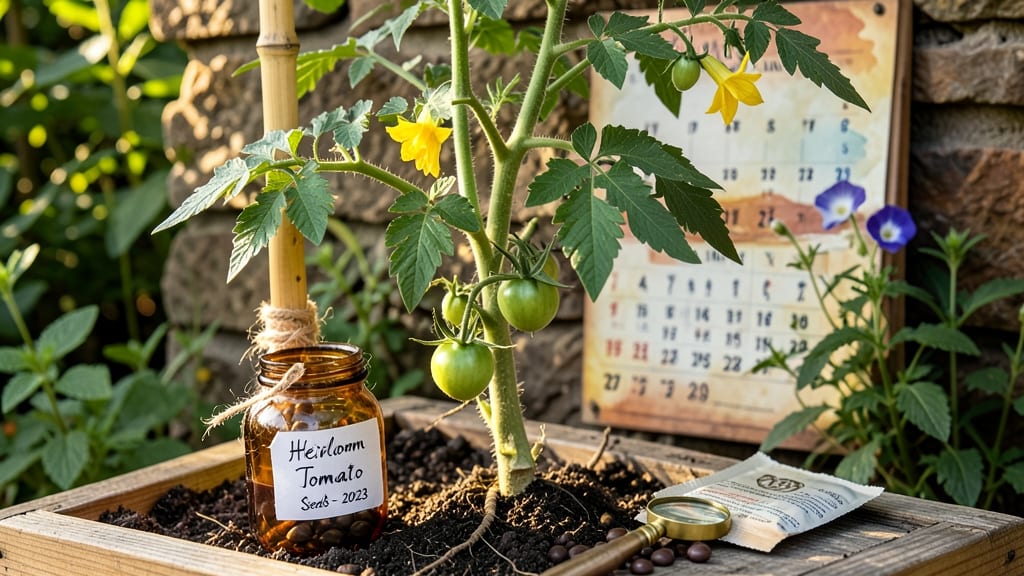
Tomato seeds stay viable for 4 to 6 years when stored properly, though their germination rate starts declining after 2 years. Keeping them dry and in a cool, dark place preserves their quality longest.
Understanding how long tomato seeds remain viable depends on their storage conditions and genetic makeup.
Seeds lose moisture and vitality over time, but proper drying—down to 5-10% moisture content—slows this process dramatically. 🌱 I’ve found that storing seeds in airtight containers with silica gel packets extends their shelf life even further, especially in environments where humidity fluctuates.
The first 2 years are critical, as enzymatic activity begins breaking down the seed’s protective layers, which is why many gardeners opt to replant seeds annually rather than risking older batches.
For best results, test a small batch of seeds before planting from older stocks. A simple paper towel germination test—placing seeds between damp paper towels for 5-7 days—reveals whether they’re still strong enough to grow.
This method saves you from wasting time and resources on seeds that may no longer sprout reliably.
💡 In This Article
- Tomato Seed Viability: The Science Behind Longevity
- Best Practices for Storing Tomato Seeds Long-Term
Tomato seed viability: the science behind longevity
Tomato seed viability hinges on two critical biological factors: moisture content and enzymatic activity. Freshly harvested seeds contain about 40-50% moisture, but for long-term storage, they must be dried to just 5-10% moisture content. This dehydration halts metabolic processes that would otherwise degrade the seed's cellular structure.
At this low moisture level, enzymes that break down proteins and lipids—key components for germination—become inactive, effectively putting the seed into a state of suspended animation. 🔥
The temperature sensitivity of tomato seeds is equally critical. Ideal storage temperatures range between 32-41°F (0-5°C), where enzymatic degradation slows to a crawl. Above 77°F (25°C), seeds begin to deteriorate faster due to increased metabolic activity, while below 14°F (-10°C) can cause cellular damage from ice crystal formation.
This is why refrigeration works better than room temperature, but freezing is only suitable for short-term storage (up to 1 year) unless using specialized cryogenic methods.
Genetic stability also plays a role in seed longevity. Heirloom tomato varieties often maintain viability longer than hybrid seeds because their genetic makeup hasn't been artificially stabilized for short-term commercial use.
For example, seeds from San Marzano tomatoes (a popular heirloom) may retain 90% germination rates after 4 years, while hybrid seeds might drop below 50% after just 2 years. This genetic difference explains why seed savers often prefer heirloom varieties for long-term preservation.
What most gardeners don't realize is that light exposure accelerates seed degradation through a process called photooxidation. When exposed to sunlight or artificial light, seeds produce reactive oxygen species that damage cellular membranes and DNA.
This is why storing seeds in opaque, airtight containers (like glass jars with rubber seals) is more effective than clear plastic bags. Even indirect light can reduce viability by 15-20% over a 2-year period compared to complete darkness.
The most dramatic decline in viability occurs during the first 12-18 months of storage, where germination rates can drop by 20-30% annually. After this period, the decline slows to about 5-10% per year under ideal conditions.
For instance, a batch of seeds with 95% germination at harvest might test at 75% after 2 years and 50% after 4 years—still viable, but requiring more seeds per planting to achieve the same yield.
One fascinating aspect is how seed coat thickness influences longevity. Thicker seed coats (common in larger tomato varieties) provide better protection against moisture and physical damage, extending viability by up to 1-2 years compared to thin-coated seeds.
This is why cherry tomato seeds often have shorter shelf lives than those from beefsteak varieties. 💫