
Blooming
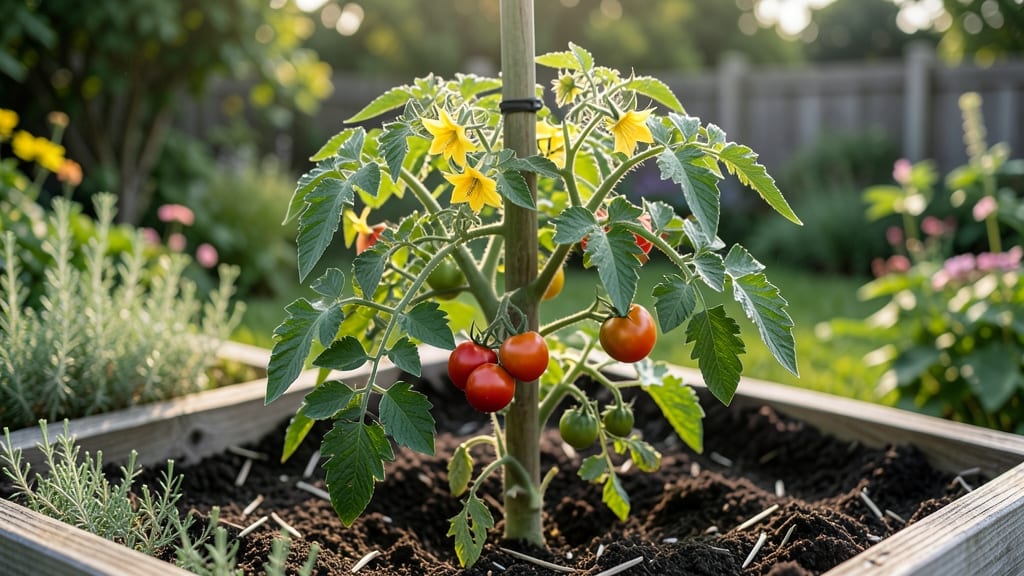
Tomatoes from seed to sauce-pan-ready fruit take 60-90 days—but that window shrinks to 45-60 days for fast-maturing varieties like 'Early Girl' if you start transplants. 🌱 I’ve watched cherry tomatoes blush red in 55 days while beefsteaks linger near 90—the difference comes down to variety, heat, and a little luck.
That first ripe tomato is worth every day of waiting.
Most home gardeners start seeds 6-8 weeks before last frost, then transplant after soil warms to 60°F. Cherry tomatoes like 'Sweet 100' mature fastest (often 50-60 days), while heirlooms like 'Brandywine' can stretch to 90+ days.
The key? Consistent 6-8 hours of sunlight daily and warm soil—cold roots delay ripening. I learned this the hard way when my first frost-nipped seedlings made me swear off early starts.
You’ll know they’re ready when fruit changes color (red, yellow, or purple, depending on variety), feels slightly soft to the touch, and separates easily from the vine. One year, my 'Sun Gold' cherries turned bright orange in 52 days—a sight that still makes me grin.
The biggest mistake? Picking tomatoes too early for green-sauce recipes—wait until they’re fully colored, even if you’re desperate.
Want to speed things up? Try black plastic mulch or row covers to warm soil faster, or plant heat-loving varieties like 'Heatmaster' that thrive in 90°F+ temps. And if you’re in a short season, focus on determinate varieties (bush types) that ripen all at once—perfect for canning.
The payoff? A harvest that tastes like summer, even in cooler climates.
📚 In This Guide
- What you need
- Instructions
- Tips and common mistakes
- Wrapping up and next steps
What you need
- ● Tomato seeds: 5–10 seeds (choose a variety suited to your climate, like Cherry Tomatoes, Beefsteak, or Roma)
- ● Seed-starting mix: 1–2 bags (sterile, well-draining potting mix designed for seedlings)
- ● Seed trays or small pots: 4–6 (2–3 inch pots or a seed-starting tray with cells)
- ● Grow lights or a sunny windowsill: (6–8 hours of light daily for seedlings)
- ● Plant labels: (to track varieties and planting dates)
- ● Watering can or spray bottle: (with a fine mist setting for gentle watering)
- ● Fertilizer: Balanced liquid fertilizer (e.g., 10-10-10) or organic options like compost tea or worm castings
- ● Transplant containers: 5–6 gallon pots or garden space (with well-draining soil)
- ● Tomato cages or stakes: (3–4 foot tall for indeterminate varieties, 2–3 foot for determinate)
- ● Mulch: Straw or shredded leaves (to retain moisture and suppress weeds)
- ● Heating mat: (for faster germination if starting indoors in cool climates)
- ● pH testing kit: (to ensure soil pH is between 6.0–6.8, ideal for tomatoes)
- ● Pruning shears: (for shaping plants and removing suckers)
- ● Drip irrigation system: (for consistent watering, especially in hot climates)
- ● Pest control: Neem oil, insecticidal soap, or row covers (to deter pests like aphids or hornworms)
- ● Garden journal: (to log planting dates, growth milestones, and harvest times)
Understanding the tomato maturation timeline: key stages explained
Tomatoes don't grow overnight—they follow a predictable timeline from seed to harvest. Here's how to track progress and set realistic expectations.
🌱 Step 1: Germination to Seedling Stage (7-14 Days)
After sowing seeds indoors, germination typically occurs within 7-14 days when kept at 75-85°F and consistently moist. You'll know it's happening when the first tiny sprouts push through the soil surface—these are called cotyledons, not true leaves. The timing depends on seed freshness and temperature consistency.
During this phase, seedlings are fragile. I always use a humidity dome to maintain moisture levels and prevent drying. Once 50% of seeds have sprouted, remove the dome immediately to avoid fungal issues. The seedlings will look delicate but will strengthen quickly with proper light exposure.
☀️ Step 2: Seedling Growth to Transplanting (4-6 Weeks)
After germination, seedlings enter a rapid growth phase where they develop true leaves (the second set of leaves that look like miniature versions of mature foliage). This stage lasts 4-6 weeks and requires 14-16 hours of light daily to prevent leggy growth. You'll notice the stems thickening and leaves darkening in color as they mature.
At this point, seedlings should have 3-4 sets of true leaves and be ready for transplanting outdoors. Harden them off by gradually exposing them to outdoor conditions over 7-10 days before planting. This acclimation period is crucial—skipping it often leads to transplant shock and stunted growth.
🌿 Step 3: Vegetative Growth to Flowering (4-8 Weeks After Transplanting)
The vegetative growth phase begins once seedlings are transplanted into the garden. During this 4-8 week period, plants focus on building a strong root system and foliage. You'll see rapid stem elongation and leaf expansion, with plants reaching 18-24 inches tall depending on the variety. This is also when you'll notice the first signs of flowering.
Flowering typically starts 4-6 weeks after transplanting, marked by small yellow blossoms. The timeframe varies by variety—determinate tomatoes (bush types) flower earlier than indeterminate (vining) types. During this phase, ensure plants receive at least 6 hours of direct sunlight daily and consistent moisture to support flower development.
🍅 Step 4: Flowering to Fruit Set (2-4 Weeks)
Once flowers appear, it takes 2-4 weeks for fruit to set. You'll know pollination has occurred when flowers drop and small green tomatoes begin forming. This stage is highly dependent on temperature—ideal conditions are 70-85°F during the day and above 55°F at night. Below 55°F, pollinators become less active, and you may need to hand-pollinate flowers.
During this phase, focus on consistent watering (about 1 inch per week) and balanced fertilization to support fruit development. You'll notice the tomatoes gradually changing from bright green to a more mature green as they grow. Avoid over-fertilizing with nitrogen, as this promotes leafy growth at the expense of fruit production.
⏰ Step 5: Fruit Maturation to Harvest (6-10 Weeks After Flowering)
The final stage is fruit maturation, which takes 6-10 weeks depending on the tomato variety and growing conditions. During this phase, tomatoes transition from green to their mature color—red, yellow, purple, or other varieties. You'll see the fruit soften slightly and develop a slightly waxy texture as it ripens.
Harvest time varies: Cherry tomatoes typically mature in 6-8 weeks, while beefsteak varieties can take 10-12 weeks. The key indicator is color change combined with a slight give when gently squeezed. Harvest in the morning when tomatoes are coolest and firmest. Cut stems with pruners to avoid damaging the plant.
Tips & tricks for perfect tomato maturation timing
Timing is everything when growing tomatoes—here's how to optimize each stage for the best harvest.
Temperature Precision: During the critical 7-14 day germination phase, maintain consistent temperatures between 75-85°F. I've found using a seedling heat mat helps maintain this range without overwatering. The moment you see 50% germination, remove that humidity dome immediately—leaving it on risks mold growth that can kill delicate seedlings.
Lighting Strategy: The 4-6 week seedling stage demands 14-16 hours of light daily to prevent leggy growth. I use LED grow lights on a timer for consistent coverage. Watch for stems thickening and leaves darkening—these are visual cues your plants are getting proper light. If leaves look pale or stems stretch excessively, increase light exposure immediately.
Transplanting Transition: The 7-10 day hardening off period before transplanting is where most gardeners fail. Start with just 1-2 hours of outdoor exposure on day one, gradually increasing by 1-2 hours daily. I mark my calendar to remind me to increase exposure—skipping this step leads to transplant shock that stunts growth for weeks.
Variety-Specific Care: Cherry tomatoes mature faster (6-8 weeks after flowering) than beefsteak varieties (10-12 weeks), so adjust your expectations accordingly. I always plant both types—cherries for quick harvests and beefsteaks for larger fruit. The key is monitoring color change combined with that slight give when squeezed, not just following the week count.
Pro Tips for How Long Does It Take A Tomato To Mature
- Timing is everything when growing tomatoes—here's how to optimize each stage for the best harvest.
- Temperature Precision: During the critical 7-14 day germination phase, maintain consistent temperatures between 75-85°F.
- Lighting Strategy: The 4-6 week seedling stage demands 14-16 hours of light daily to prevent leggy growth.
Frequently asked questions
Got questions about tomato growth?
Here are some of the most common queries—and their answers—to help you plan your garden like a pro!
How long does it take for a tomato plant to produce fruit after transplanting?
After transplanting seedlings into the ground (or containers), expect 60–85 days to first harvest, depending on the variety. Early varieties like 'Early Girl' may fruit in 50–60 days, while heirlooms like 'Brandywine' can take 80+ days. Warm soil and consistent sunlight speed up the process!
Can I speed up tomato maturation?
Yes! To shorten the timeline, ensure your plants get:
- Full sun (6–8+ hours/day)
- Warm soil (60°F+)—use black plastic mulch or row covers early in the season.
- Balanced fertilizer (high in phosphorus at flowering stage).
- Consistent watering (1–1.5 inches/week; avoid wetting leaves).
Why are my tomato flowers falling off before fruiting?
This is called "blossom drop", and it’s usually caused by:
- Temperature stress: Tomatoes need 55–85°F to pollinate. Extreme heat (<90°F+) or cold snaps (<55°F) can halt fruit set.
- Inconsistent watering: Drought or overwatering disrupts flower development.
- Overcrowding: Poor airflow encourages disease, which weakens plants.
What’s the fastest-maturing tomato variety for small gardens?
If space is limited, opt for determinate (bush) varieties with short maturation times:
- 'Tiny Tim' – 50 days, cherry tomatoes, compact (18" tall).
- 'Patio Princess' – 55 days, dwarf hybrid, great for containers.
- 'Sungold' – 60 days, sweet cherry tomatoes, high yield.
Can I grow tomatoes indoors and still expect a timely harvest?
Yes, but timelines stretch due to limited light and space. Use:
- Grow lights (12–16 hrs/day) for optimal growth.
- Large containers (5+ gallons) with drainage.
- Dwarf varieties like 'Micro Tom' (60–70 days).
Wrapping up and next steps
Growing tomatoes from seed to harvest is a rewarding journey that typically takes 60 to 85 days, depending on the variety, climate, and care. Whether you’re nurturing heirlooms or hybrid plants, patience and consistency—like proper sunlight, watering, and pruning—are key to a bountiful harvest. 🌱
Now that you know the timeline, why not plant your seeds and enjoy the process? Start small, track your progress, and soon you’ll be savoring homegrown tomatoes straight from the vine! 🍅✨