
How To
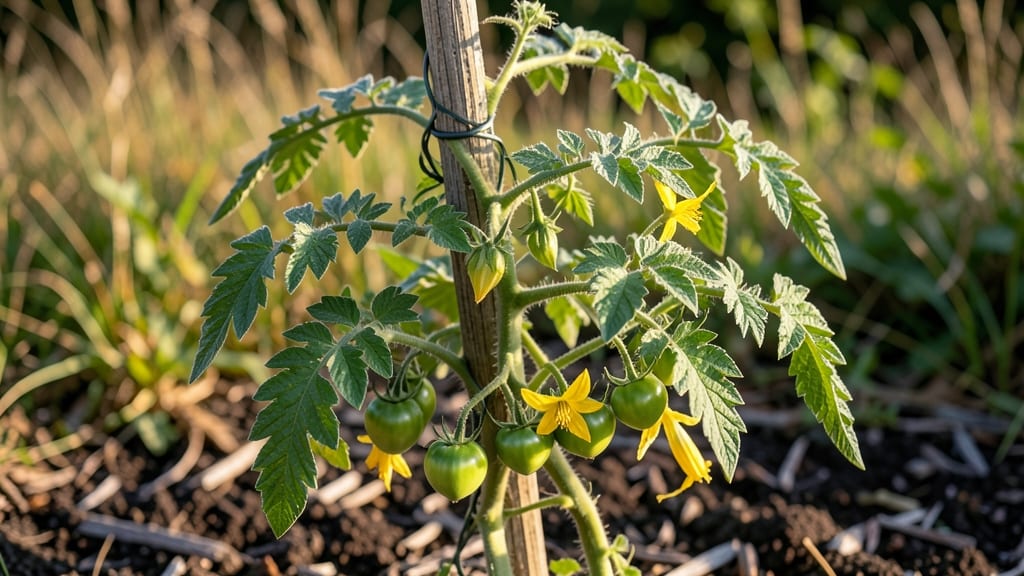
Tomato plants need 6 to 8 hours of direct sunlight daily to thrive and produce the juicy, flavorful fruit you crave—skimp on light, and you’ll end up with bitter, undersized tomatoes no matter how much you water or fertilize.
Picture this: you’ve spent weeks nurturing your seedlings, only to watch them stretch toward the sky like they’re desperate for a hug. That’s your plant telling you it’s not getting enough light—and without it, even the hardiest varieties will struggle to set fruit.
The good news? With the right sunlight strategy, you can turn that leggy mess into a bountiful harvest.
Most gardeners assume "full sun" means plopping tomatoes in the brightest spot and calling it a day. But the truth is more nuanced: seedlings need gentler light, flowering stages demand consistency, and fruiting plants can handle a little afternoon shade in scorching climates.
I’ll break down exactly how much sun your tomatoes need at every stage, plus how to troubleshoot if your plants are sending SOS signals.
By the end, you’ll know how to stretch sunlight in small spaces, spot the early warning signs of too much or too little light, and even fix common mistakes like sunburned leaves or blossom drop. Let’s get those tomatoes growing strong—no guesswork required.

Ideal daily sunlight requirements for tomato plants by growth stage
Tomatoes are sun-worshippers—they thrive under bright, direct sunlight that fuels photosynthesis and sweetens fruit. But their needs change dramatically from seedlings to fruiting plants. Too little light leads to leggy, weak stems and poor yields, while too much can scorch leaves in extreme heat.
Understanding these stages ensures your plants grow strong and productive all season.
For maximum photosynthesis, tomatoes need 6-8+ hours of direct sunlight daily, but the intensity and duration shift as they mature. Seedlings start with gentler light, while flowering and fruiting stages demand peak sun exposure.
Let’s break down the science-backed thresholds for each phase, plus how to adjust for partial shade or high-heat climates.
During the seedling stage, young tomato plants are delicate and need gentle sunlight exposure to avoid burning. Start with 4-6 hours of indirect light and gradually increase as they harden off.
Use a grow light if natural light is insufficient, keeping it 12-18 inches above seedlings for 12-14 hours daily. This mimics the sun’s arc and prevents etiolation, where plants stretch weakly toward light.
Once transplanted outdoors, vegetative growth (3-6 weeks) demands 6-8 hours of direct sunlight to build strong stems and foliage. This is when you’ll see rapid leaf production and stem thickening.
If your garden receives partial shade, opt for determinate varieties like 'Celebrity' or 'Patio', which tolerate lower light better than indeterminate types. In hot climates, provide afternoon shade to prevent leaf scorch while still meeting the 6-hour minimum.
The flowering stage (6-8 weeks) is the most critical for sunlight—tomatoes need 8+ hours of full sun to trigger pollination and fruit set. Without enough light, flowers may drop, and you’ll end up with fewer tomatoes.
To boost light in shady spots, use reflective surfaces like white plastic sheeting or mirrors to redirect sunlight onto plants. In high-heat zones, focus on morning sun and use shade cloth (30%) during peak afternoon hours to protect blooms.
When tomatoes enter the fruiting stage (8+ weeks), they crave 8-10 hours of direct sunlight to develop sweet, flavorful fruit. This is when photosynthesis peaks, converting sunlight into the sugars that make your tomatoes taste amazing.
If your plants aren’t getting enough light, fruit may be small, pale, or mealy. In containers, move pots to sunnier spots or use self-watering planters with built-in grow lights for extended daylight.
For gardeners in partial shade (e.g., under trees or tall structures), choose compact or dwarf varieties like 'Tiny Tim' or 'Micro Tom'. These tolerate 4-6 hours of sun but will still produce fruit, albeit in smaller quantities.
To maximize light, prune nearby trees or shrubs to increase sunlight exposure by at least 2-3 hours daily. If shade is unavoidable, focus on soil health—rich, organic soil helps plants make the most of limited light.
In high-heat climates (USDA Zones 9-11), tomatoes can suffer from sunburn or heat stress if exposed to intense midday sun. To protect plants, use lightweight shade cloth (30-50%) during the hottest hours (12 PM - 4 PM).
Drip irrigation also helps by cooling leaves and reducing water stress. For container growers, choose heat-tolerant varieties
Signs your tomatoes aren’t getting enough (or too much) sunlight
Tomatoes are sun-worshippers, and when they don’t get enough light, they’ll scream for help in ways that go beyond wilted leaves. Leggy stems, pale yellow leaves, and small, weak flowers are classic red flags. Even worse?
Your fruit might start dropping before it ripens, leaving you with bitter, underdeveloped tomatoes. But too much sun can also backfire—sunburned leaves or cracked fruit mean your plants are getting more heat than they can handle.
Diagnosing the problem starts with observing your plants daily. Check the color of new growth, the size of leaves, and the development of flowers and fruit. These visual cues will tell you whether your tomatoes are starving for sunlight or suffering from too much intensity.
Let’s break down the key signs and what they mean for your harvest.
Sunlight Warning: Tomatoes Need 6-8+ hours of direct sunlight daily
Too little light = stunted growth, poor fruiting, and weak stems. Too much? Sunburned leaves and cracked tomatoes ruin your harvest. Use shade cloth in extreme heat (85°F+), but never block all direct light—tomatoes crave sunlight for sweet, juicy fruit.
If your tomato plants are reaching for the sky with long, spindly stems, they’re desperate for more light. This leggy growth happens when seedlings or mature plants don’t get enough sunlight, causing them to stretch toward any available light source.
Pair this with small, pale leaves, and you’ve got a classic case of light deprivation. Move your plants to a sunnier spot immediately, or supplement with a grow light if you’re growing indoors.
Another dead giveaway? Blossom drop—when flowers fall off before setting fruit. This happens when plants are stressed, often due to inconsistent sunlight or temperature swings.
If you notice flowers wilting and falling within hours of opening, your tomatoes might be getting too much afternoon heat without enough morning sun. Try light shade cloth during peak heat hours (12–4 PM) to protect them while still allowing plenty of light.
On the flip side, white or yellow patches on leaves or blistered fruit mean your tomatoes are getting too much direct sun. These are classic signs of sunburn, which occurs when leaves or fruit are exposed to intense sunlight without acclimation.
If your plants are suddenly in a hotter spot (like a new garden bed or after moving pots), gradually introduce them to full sun over 5–7 days to avoid shocking them.
For cracked tomatoes, the issue is often uneven watering combined with too much heat—keep soil consistently moist during fruiting.
Here’s a quick diagnostic checklist to assess your tomato plants’ sunlight needs: ☑️ Are new leaves small and pale yellow? → More light needed ☑️ Are stems long and weak? → Leggy growth = light deprivation ☑️ Are flowers dropping before fruiting? → Heat or light stress ☑️ Are leaves white/yellow with crispy edges? → Sunburn ☑️ Is fruit small, hard, and underdeveloped? → Insufficient sunlight ☑️ Are tomatoes cracked or sun-scorched? → Too much direct sun
Fixing sunlight issues is easier than you think. For underlit plants, move them to a south-facing window or sunniest spot in your yard. Use reflective surfaces (like white walls or mirrors) to bounce extra light onto leaves.
If your garden is shady, opt for determinate varieties (like ‘Roma’ or ‘Celebrity’) that tolerate partial shade better than indeterminate types (like ‘Sungold’ or ‘Beefsteak’). And always water deeply in the morning to keep plants hydrated and resilient to heat stress. 🌱